


Więcej o książce
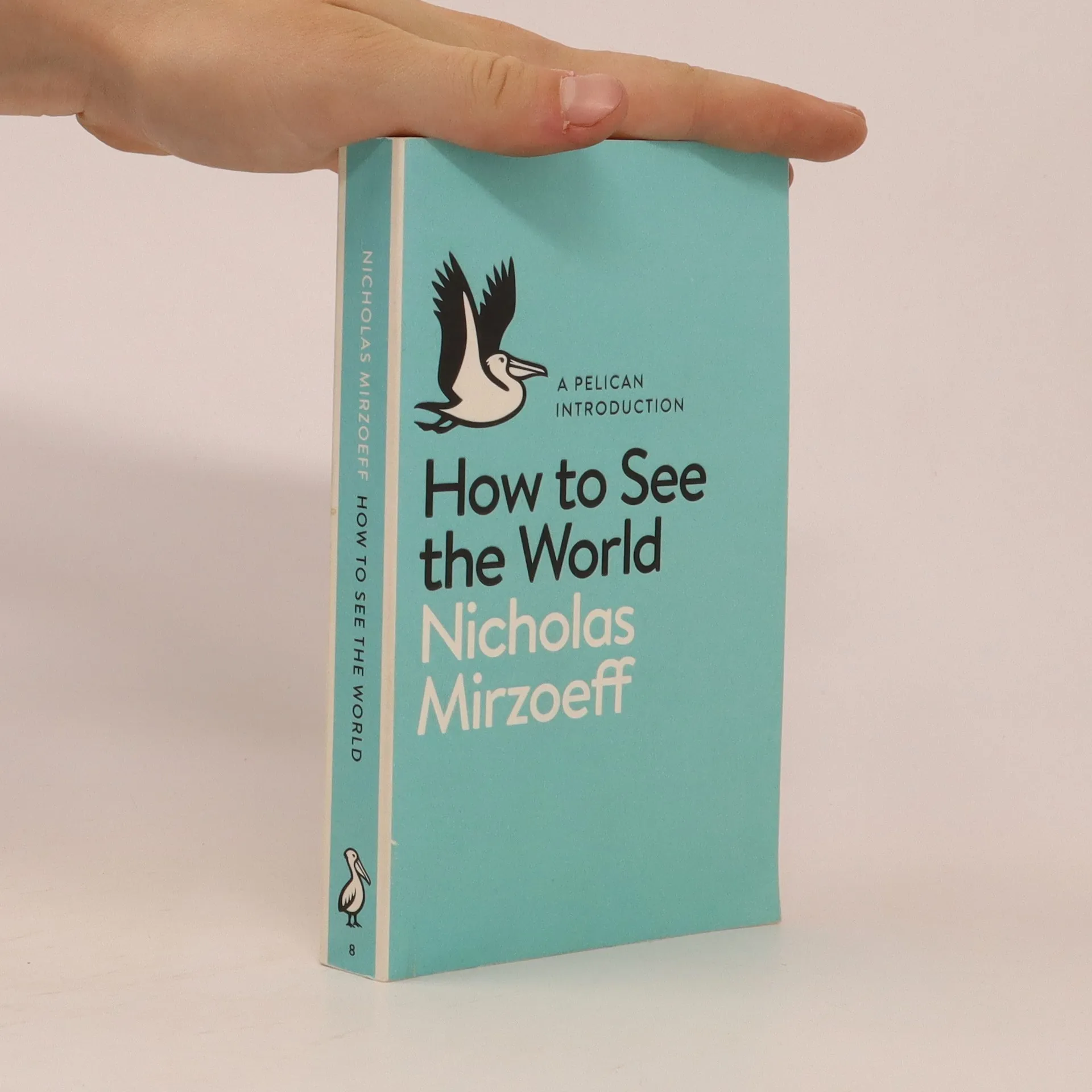
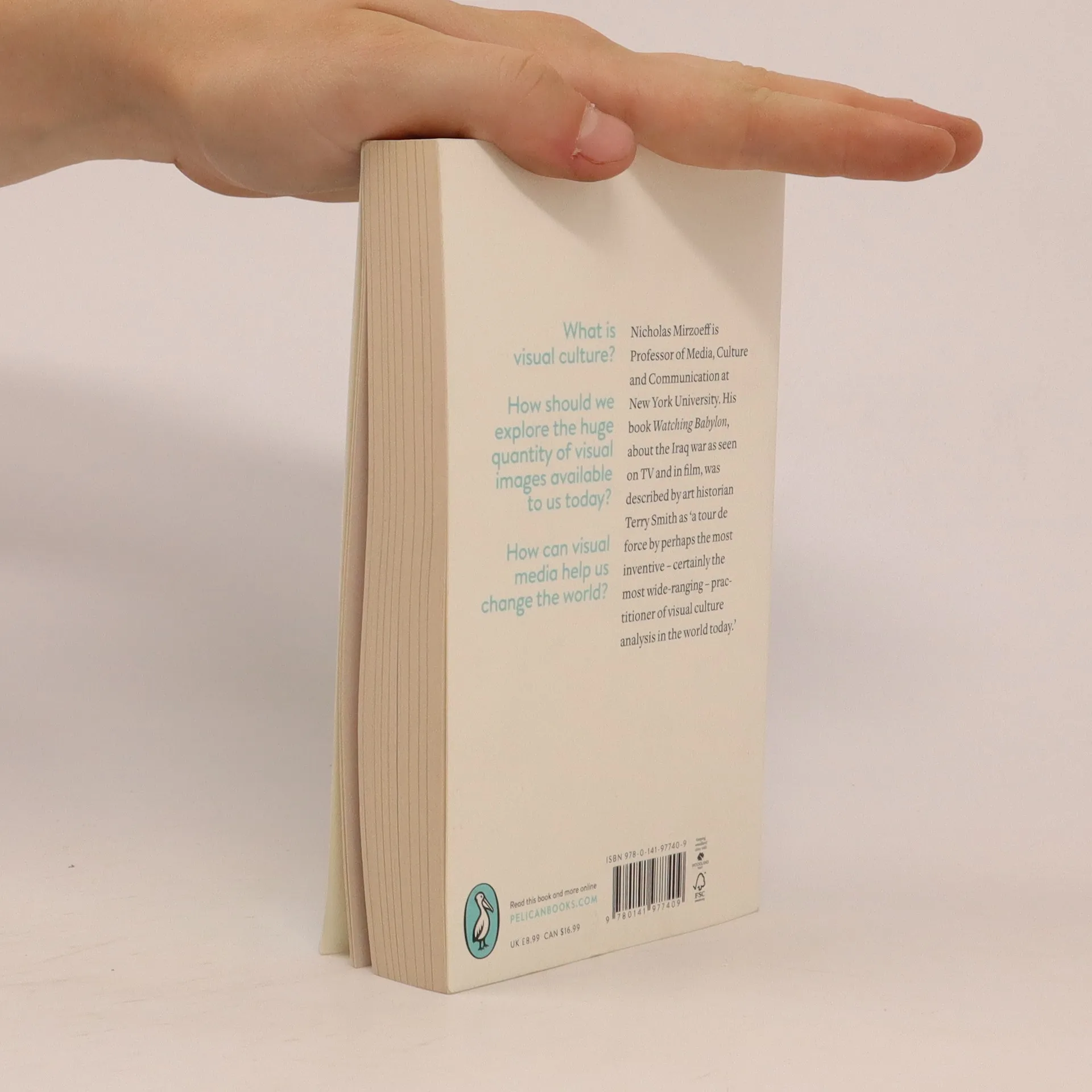
In recent decades, we have witnessed an explosion in the number of visual images we encounter, as our lives have become increasingly saturated with screens. From Google Images to Instagram, video games to installation art, this transformation is confusing, liberating and worrying all at once, since observing the new visuality of culture is not the same as understanding it. Nicholas Mirzoeff is a leading figure in the field of visual culture, which aims to make sense of this extraordinary explosion of visual experiences. As Mirzoeff reminds us, this is not the first visual revolution; the 19th century saw the invention of film, photography and x-rays, and the development of maps, microscopes and telescopes made the 17th century an era of visual discovery. But the sheer quantity of images produced on the internet today has no parallels. In the first book to define visual culture for the general reader, Mirzoeff draws on art history, theory and everyday experience to provide an engaging and accessible overview of how visual materials shape and define our lives.

Zakup książki
How to See the World, Nicholas Mirzoeff
- Język

- Rok wydania
- 2015
- Oprawa
- (miękka)
Metody płatności
Brakuje nam tutaj Twojej recenzji.
- Tytuł
- How to See the World
- Język
- angielski
- Autorzy
- Nicholas Mirzoeff
- Wydawca
- Pelican books
- Rok wydania
- 2015
- Oprawa
- miękka
- Liczba stron
- 352
- ISBN10
- 014197740x
- ISBN13
- 9780141977409
- Seria
- Kategorie
- Tagi
- Tematy historyczne, Tematyka psychologiczna, Tematyka filozoficzna, Sztuka, Kultura, Teoria sztuki, Media masowe, Filozofia kultury, Kultura wizualna
- Pierwsze wydanie
- 2015
- Oryginalna nazwa
- How to See the World
- Ocena
- 3,7 z 5
- Opis
- In recent decades, we have witnessed an explosion in the number of visual images we encounter, as our lives have become increasingly saturated with screens. From Google Images to Instagram, video games to installation art, this transformation is confusing, liberating and worrying all at once, since observing the new visuality of culture is not the same as understanding it. Nicholas Mirzoeff is a leading figure in the field of visual culture, which aims to make sense of this extraordinary explosion of visual experiences. As Mirzoeff reminds us, this is not the first visual revolution; the 19th century saw the invention of film, photography and x-rays, and the development of maps, microscopes and telescopes made the 17th century an era of visual discovery. But the sheer quantity of images produced on the internet today has no parallels. In the first book to define visual culture for the general reader, Mirzoeff draws on art history, theory and everyday experience to provide an engaging and accessible overview of how visual materials shape and define our lives.