



Parametry
- 324 strony
- 12 godzin czytania
Więcej o książce
Life without adventure would be intolerable, more stagnant than a marsh and monotonous like a desert. In both, there exists the potential for risk, discovery, and the grandeur of solitude. Adventure, in this context, refers to the exploration of unknown lands and peoples. While there are various forms of adventure—such as campaigns, battles, and explorations of thought—most commonly, the term evokes images of the world's explorers. The great periods of exploration often align with remarkable discoveries in truth and beauty, marked by figures like Herodotus, Caesar, Columbus, Drake, and Livingstone. These eras are notable for their contributions to wisdom, art, invention, and scientific thought. The discovery of unfamiliar lands, languages, and customs serves to challenge human complacency and disrupt habitual thinking, urging us to venture beyond established frontiers of knowledge and belief. The quest for adventure is not just about physical exploration; it encompasses any act of devotion where life, reputation, or possessions are risked for a greater purpose than mere self-advancement. This spirit of exploration remains vital to human progress and understanding.


Zakup książki
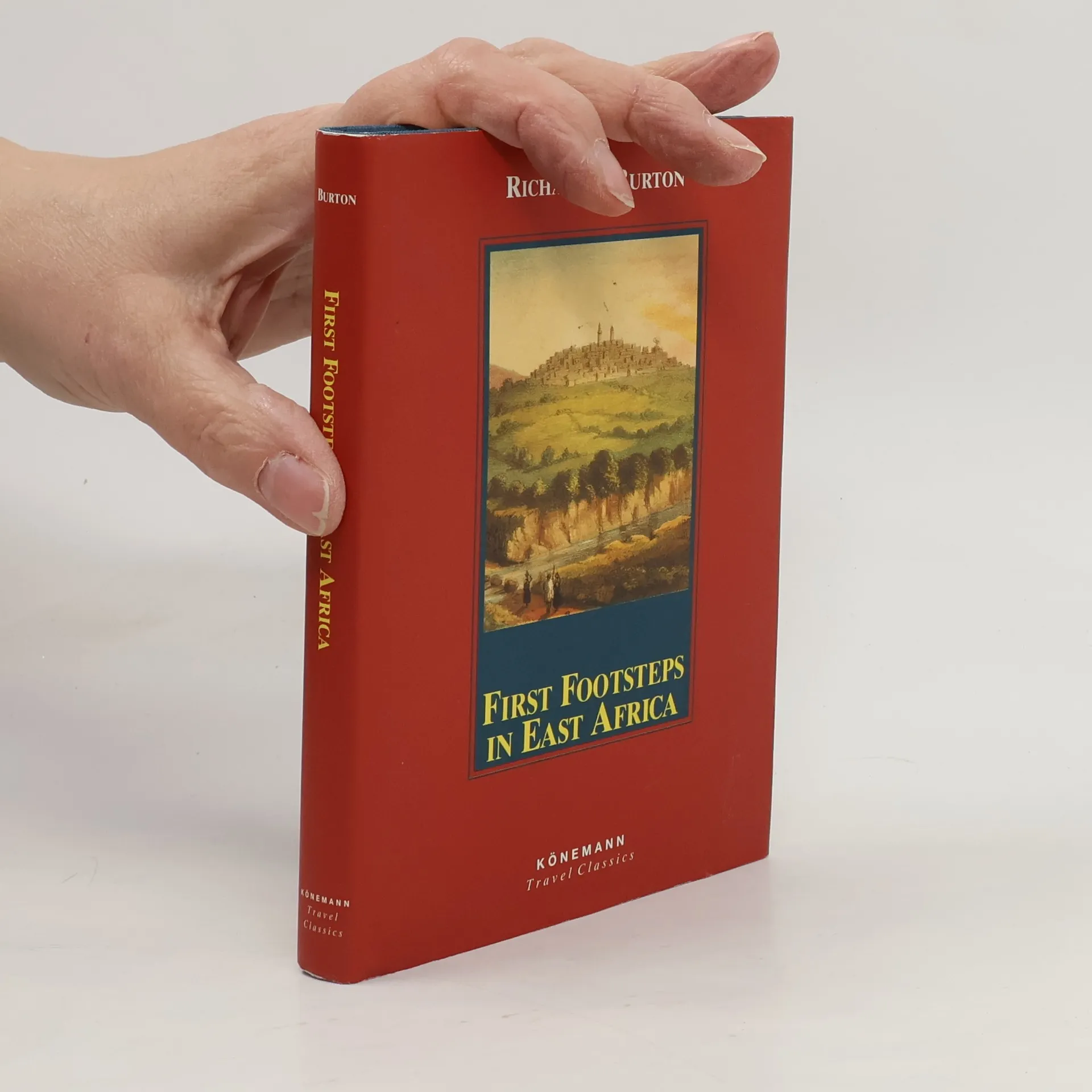
First Footsteps in East Africa, Richard Burton
- Język

- Rok wydania
- 2000
- Oprawa
- (twarda)
Metody płatności
Brakuje nam tutaj Twojej recenzji.
- Tytuł
- First Footsteps in East Africa
- Język
- angielski
- Autorzy
- Richard Burton
- Wydawca
- Könemann
- Rok wydania
- 2000
- Oprawa
- twarda
- Liczba stron
- 324
- ISBN10
- 3829053924
- ISBN13
- 9783829053921
- Seria
- Kolekcja
- Travel Classics
- Kategorie
- Tagi
- Tematy historyczne, Podróże, Przygodowe, Afryka, Somalia
- Ocena
- 3,5 z 5
- Opis
- Life without adventure would be intolerable, more stagnant than a marsh and monotonous like a desert. In both, there exists the potential for risk, discovery, and the grandeur of solitude. Adventure, in this context, refers to the exploration of unknown lands and peoples. While there are various forms of adventure—such as campaigns, battles, and explorations of thought—most commonly, the term evokes images of the world's explorers. The great periods of exploration often align with remarkable discoveries in truth and beauty, marked by figures like Herodotus, Caesar, Columbus, Drake, and Livingstone. These eras are notable for their contributions to wisdom, art, invention, and scientific thought. The discovery of unfamiliar lands, languages, and customs serves to challenge human complacency and disrupt habitual thinking, urging us to venture beyond established frontiers of knowledge and belief. The quest for adventure is not just about physical exploration; it encompasses any act of devotion where life, reputation, or possessions are risked for a greater purpose than mere self-advancement. This spirit of exploration remains vital to human progress and understanding.