

Więcej o książce
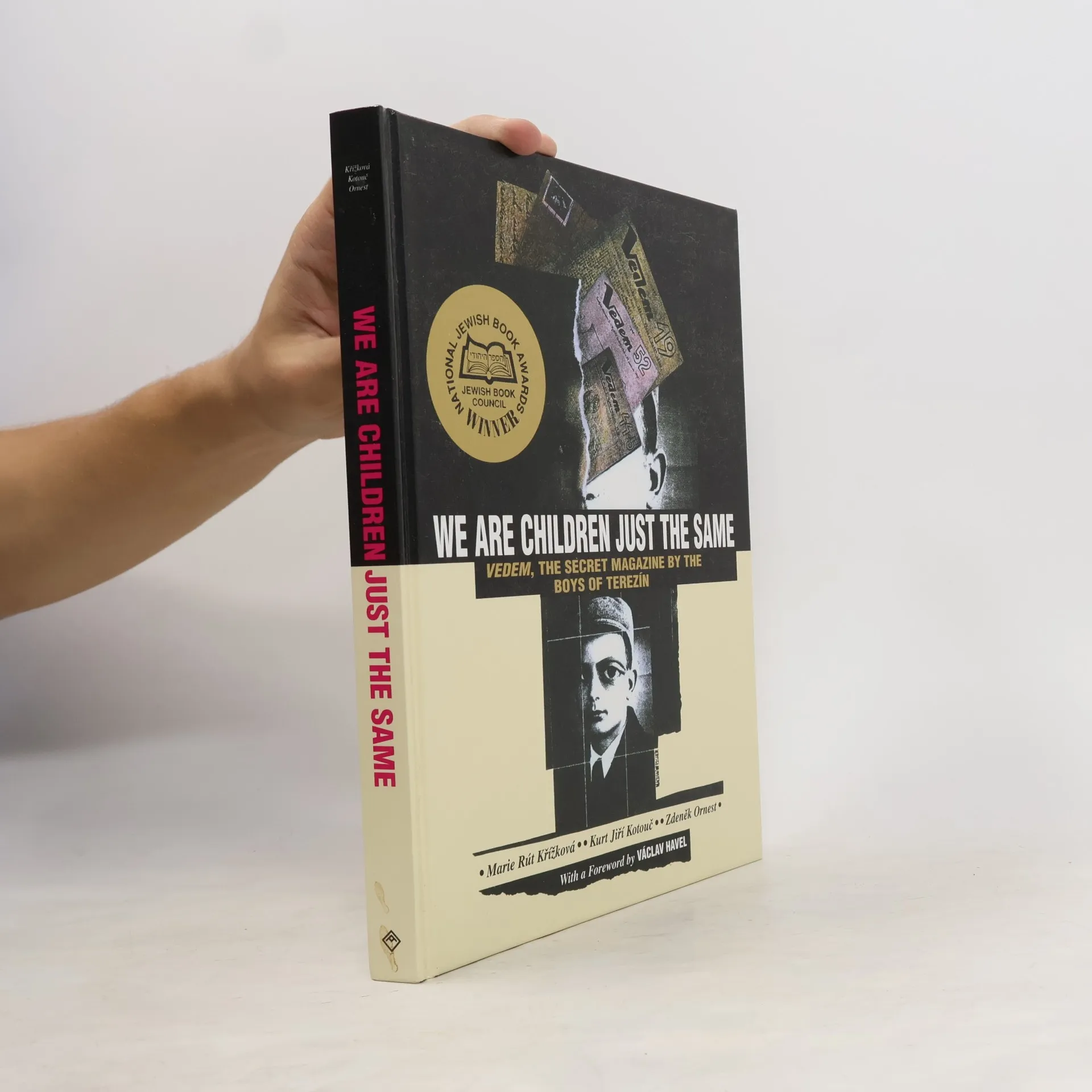
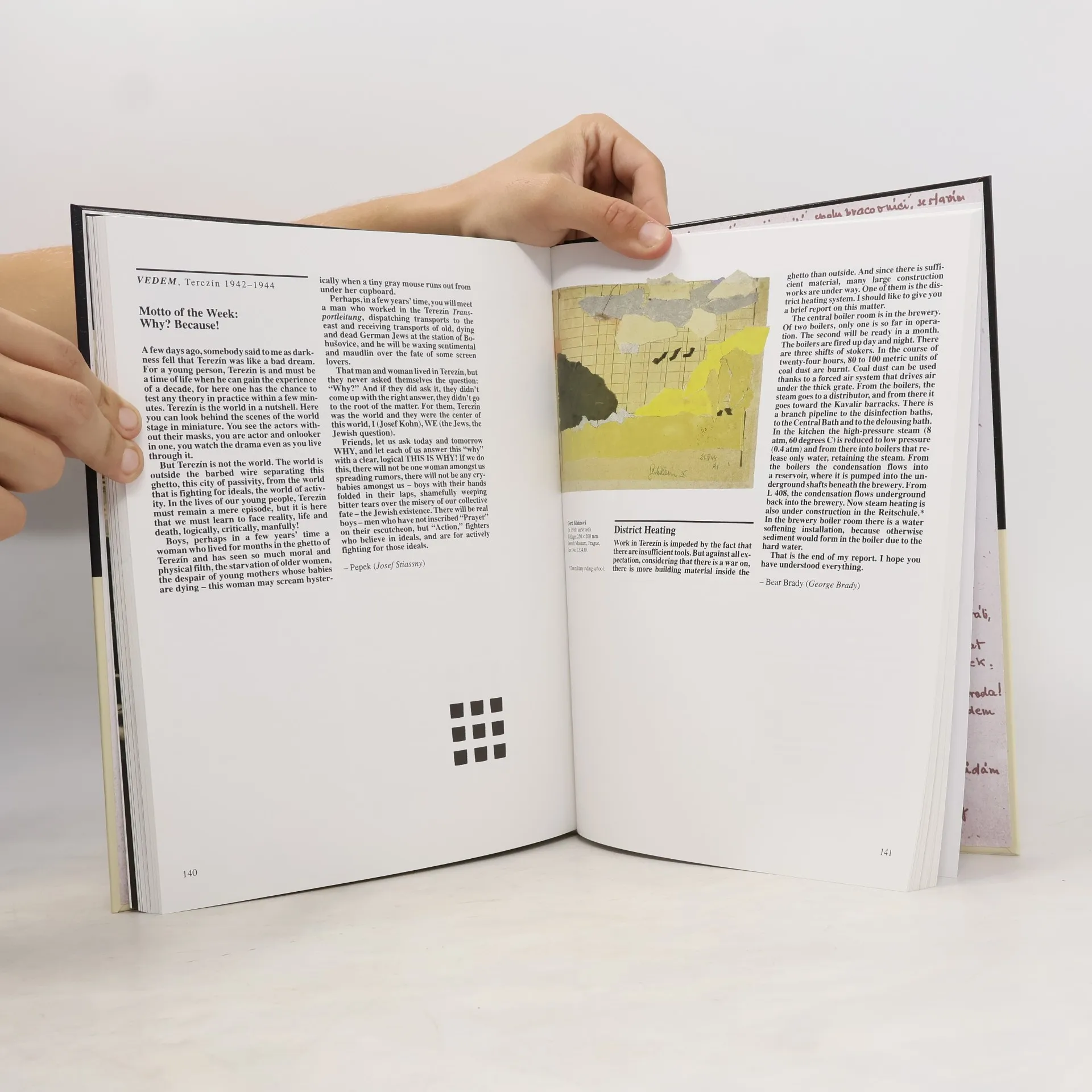
Terezín survivor George (Jirí) Brady reflects on the efforts of the Nazi-imposed Terezín "self-administration" to aid imprisoned children. He recalls being among a group of boys led by Valtr Eisinger, who transformed their overcrowded living space into a vibrant world, fostering hidden talents and creativity. Between 1942 and 1944, a group of thirteen- to fifteen-year-old Jewish boys secretly produced a weekly magazine called Vedem (In the Lead) at Terezín. The boys, who called their cellblock the "Republic of Shkid," wrote, illustrated, and hand-copied issues behind blackout shades. Although the material was preserved by one of the few survivors of the Holocaust, it remained suppressed in Czechoslovakia for fifty years until its publication in 1995 in English, Czech, and German. Vedem offers a poignant insight into the lives of boys who were forcibly removed from their childhoods and families, ultimately facing the horrors of the Nazi regime. This edition features a new preface and epilogue, enriching the historical context of their experiences and the significance of their creative expressions amidst unimaginable adversity.




Zakup książki
We Are Children Just the Same, Marie Rút Křížková, Kurt Jiří Kotouč, Zdeněk Ornest, Václav Havel, Paul R. Wilson
- Język

- Rok wydania
- 2003
- Oprawa
- (twarda),
- Stan książki
- Dobry
- Cena
- 133,63 zł
Metody płatności
Brakuje nam tutaj Twojej recenzji.
- Tytuł
- We Are Children Just the Same
- Podtytuł
- Vedem, The Secret Magazine by the Boys of Terezín
- Język
- angielski
- Wydawca
- Aventinum
- Rok wydania
- 2003
- Oprawa
- twarda
- ISBN10
- 8071512125
- ISBN13
- 9788071512127
- Seria
- Kategorie
- Tagi
- Tematy historyczne, Literatura czeska, Dzieci, Holokaust, Zaniedbane dzieci, Petr Ginz, 1928-1944
- Ocena
- 4,35 z 5
- Opis
- Terezín survivor George (Jirí) Brady reflects on the efforts of the Nazi-imposed Terezín "self-administration" to aid imprisoned children. He recalls being among a group of boys led by Valtr Eisinger, who transformed their overcrowded living space into a vibrant world, fostering hidden talents and creativity. Between 1942 and 1944, a group of thirteen- to fifteen-year-old Jewish boys secretly produced a weekly magazine called Vedem (In the Lead) at Terezín. The boys, who called their cellblock the "Republic of Shkid," wrote, illustrated, and hand-copied issues behind blackout shades. Although the material was preserved by one of the few survivors of the Holocaust, it remained suppressed in Czechoslovakia for fifty years until its publication in 1995 in English, Czech, and German. Vedem offers a poignant insight into the lives of boys who were forcibly removed from their childhoods and families, ultimately facing the horrors of the Nazi regime. This edition features a new preface and epilogue, enriching the historical context of their experiences and the significance of their creative expressions amidst unimaginable adversity.