

Więcej o książce
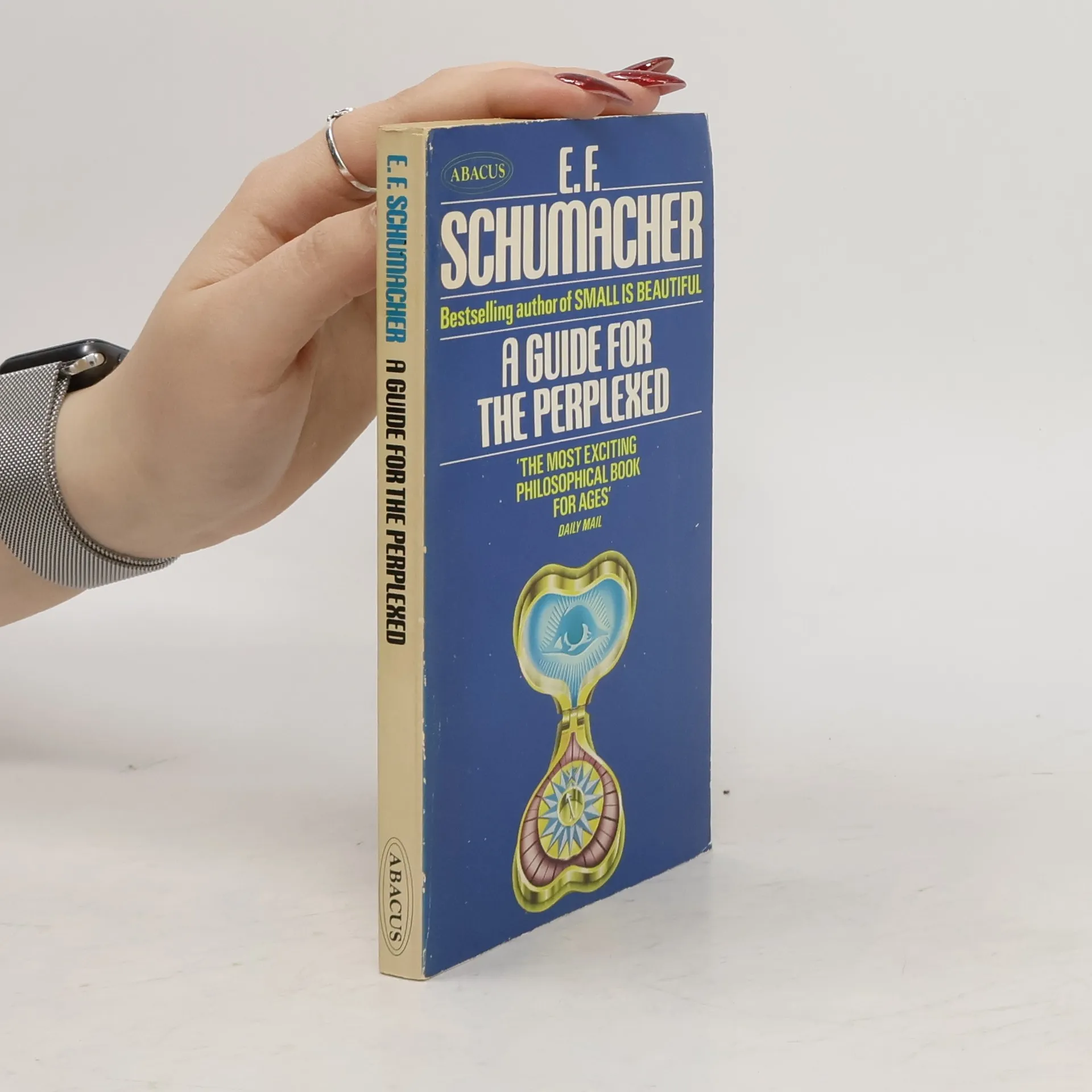
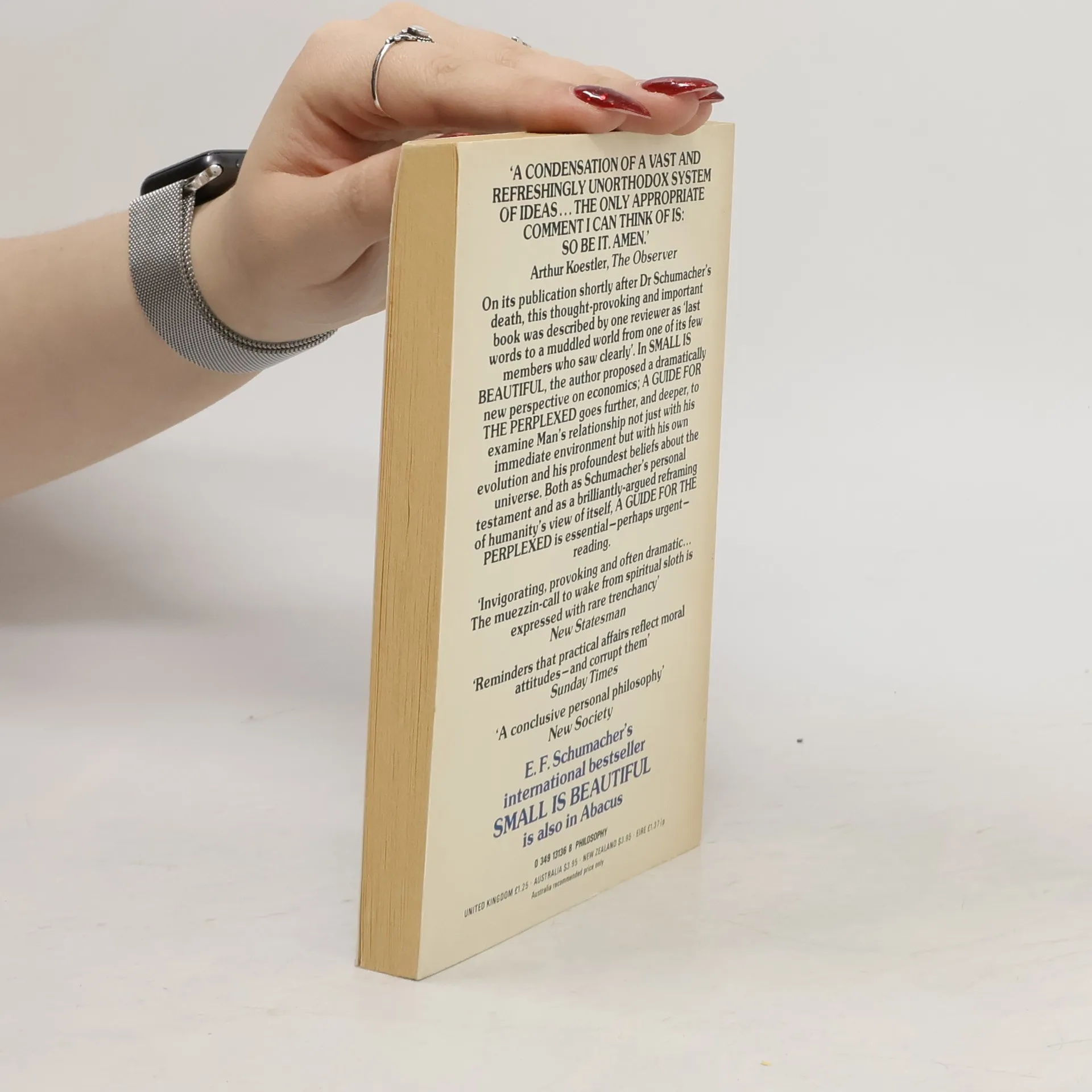
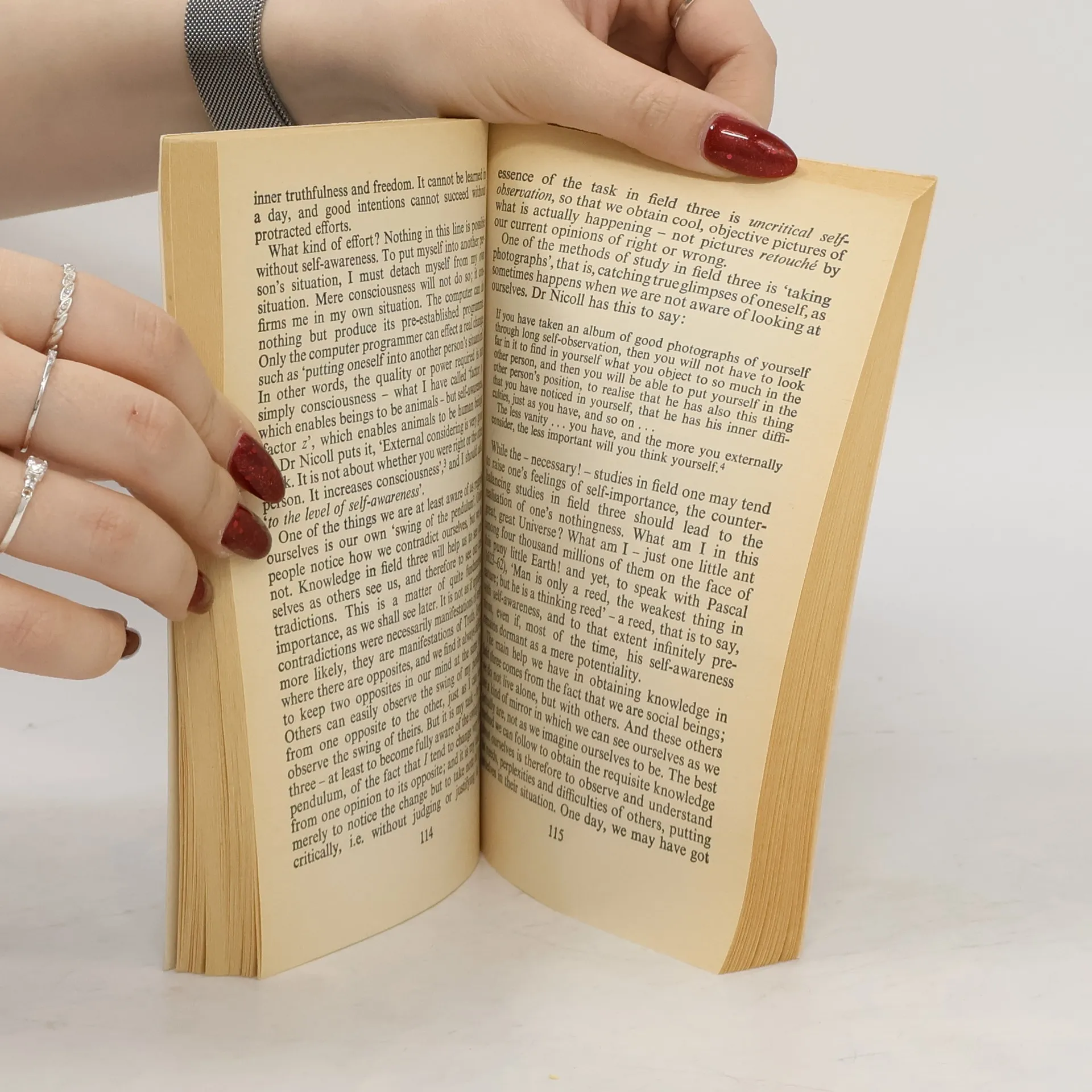
The author of the world wide best-seller, Small Is Beautiful, now tackles the subject of Man, the World, and the Meaning of Living. Schumacher writes about man's relation to the world. man has obligations—to other men, to the earth, to progress and technology, but most importantly himself. If man can fulfill these obligations, then and only then can he enjoy a real relationship with the world, then and only then can he know the meaning of living. Schumacher says we need maps: a "map of knowledge" and a "map of living." The concern of the mapmaker—in this instance, Schumacher—is to find for everything it's proper place. Things out of place tend to get lost; they become invisible and there proper places end to be filled by other things that ought not be there at all and therefore serve to mislead. A Guide for the Perplexed teaches us to be our own map makers. This constantly surprising, always stimulating book will be welcomed by a large audience, including the many new fans who believe strongly in what Schumacher has to say.




Zakup książki
A Guide for the Perplexed, E.F. Schumacher
- Język

- Rok wydania
- 1978
- Oprawa
- (miękka)
Metody płatności
Brakuje nam tutaj Twojej recenzji.
- Tytuł
- A Guide for the Perplexed
- Język
- angielski
- Autorzy
- E.F. Schumacher
- Rok wydania
- 1978
- Oprawa
- miękka
- Liczba stron
- 172
- ISBN10
- 0349131368
- ISBN13
- 9780349131368
- Seria
- Kategorie
- Ocena
- 4 z 5
- Opis
- The author of the world wide best-seller, Small Is Beautiful, now tackles the subject of Man, the World, and the Meaning of Living. Schumacher writes about man's relation to the world. man has obligations—to other men, to the earth, to progress and technology, but most importantly himself. If man can fulfill these obligations, then and only then can he enjoy a real relationship with the world, then and only then can he know the meaning of living. Schumacher says we need maps: a "map of knowledge" and a "map of living." The concern of the mapmaker—in this instance, Schumacher—is to find for everything it's proper place. Things out of place tend to get lost; they become invisible and there proper places end to be filled by other things that ought not be there at all and therefore serve to mislead. A Guide for the Perplexed teaches us to be our own map makers. This constantly surprising, always stimulating book will be welcomed by a large audience, including the many new fans who believe strongly in what Schumacher has to say.