

Więcej o książce
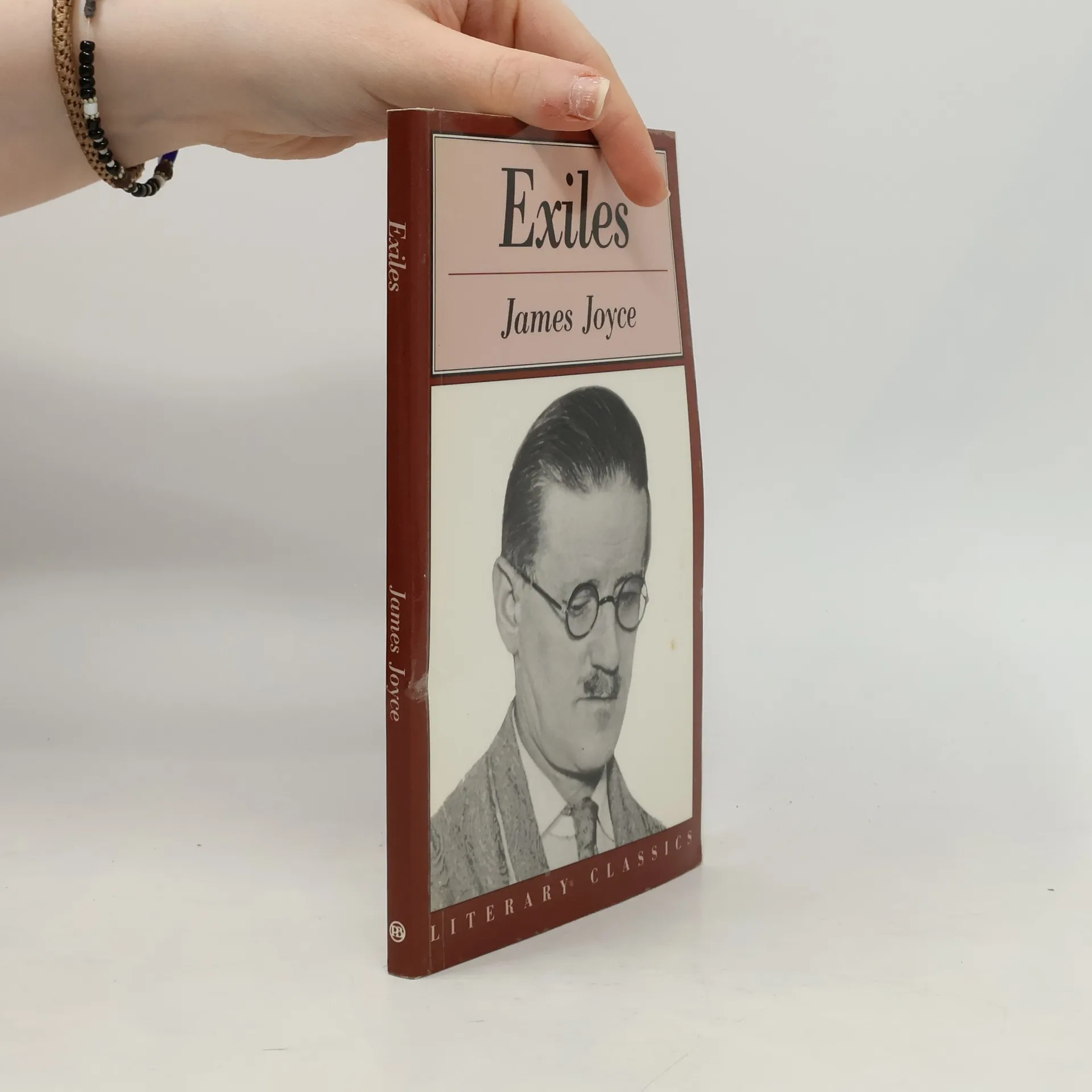
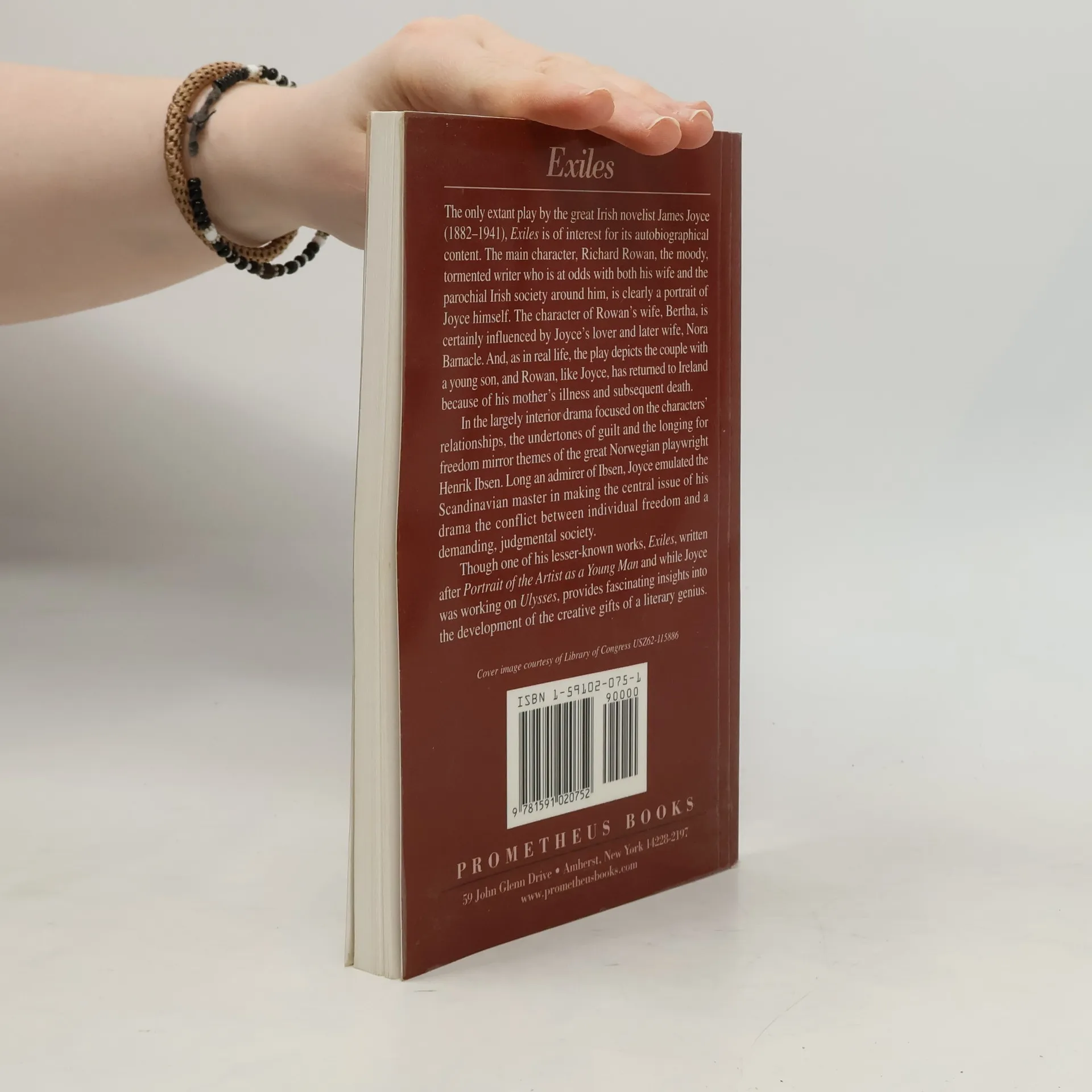
The only extant play by the great Irish novelist, this work is notable for its autobiographical elements and formal qualities. The main character, Richard Rowan, a tormented writer at odds with his wife and Irish society, serves as a reflection of Joyce himself. Rowan's wife, Bertha, draws influence from Joyce's lover and later wife, Nora Barnacle, with whom he lived a nomadic life across Europe. The play mirrors Joyce's own experiences, including his return to Ireland due to his mother's illness and death. Rowan's flawed pursuit of individual freedom, despite the constraints of Irish morals, hints at Joyce's interest in Nietzsche. Wrestling with guilt over infidelities, Rowan advocates for personal liberty for himself and his wife, who faces temptation from his cousin. Joyce's choice to write a play reflects his admiration for Henrik Ibsen, evident in the tense dialogue and the focus on character relationships, guilt, and the longing for freedom. The understated writing style contrasts with Joyce's exuberant language in his novels, showcasing Ibsen's influence. Ultimately, the play explores the conflict between individual freedom and societal judgment, as the protagonists grapple with the choice of defying rigid conventions or seeking exile. Though lesser-known, this work, written between two of Joyce's major novels, offers valuable insights into the evolution of a literary genius.




Zakup książki
Literary Classics: Exiles, James Joyce
- Język

- Rok wydania
- 2003
- Oprawa
- (miękka)
Metody płatności
Brakuje nam tutaj Twojej recenzji.
- Tytuł
- Literary Classics: Exiles
- Język
- angielski
- Autorzy
- James Joyce
- Wydawca
- Prometheus Books
- Rok wydania
- 2003
- Oprawa
- miękka
- Liczba stron
- 154
- ISBN10
- 1591020751
- ISBN13
- 9781591020752
- Seria
- Ocena
- 3,5 z 5
- Opis
- The only extant play by the great Irish novelist, this work is notable for its autobiographical elements and formal qualities. The main character, Richard Rowan, a tormented writer at odds with his wife and Irish society, serves as a reflection of Joyce himself. Rowan's wife, Bertha, draws influence from Joyce's lover and later wife, Nora Barnacle, with whom he lived a nomadic life across Europe. The play mirrors Joyce's own experiences, including his return to Ireland due to his mother's illness and death. Rowan's flawed pursuit of individual freedom, despite the constraints of Irish morals, hints at Joyce's interest in Nietzsche. Wrestling with guilt over infidelities, Rowan advocates for personal liberty for himself and his wife, who faces temptation from his cousin. Joyce's choice to write a play reflects his admiration for Henrik Ibsen, evident in the tense dialogue and the focus on character relationships, guilt, and the longing for freedom. The understated writing style contrasts with Joyce's exuberant language in his novels, showcasing Ibsen's influence. Ultimately, the play explores the conflict between individual freedom and societal judgment, as the protagonists grapple with the choice of defying rigid conventions or seeking exile. Though lesser-known, this work, written between two of Joyce's major novels, offers valuable insights into the evolution of a literary genius.