



Więcej o książce
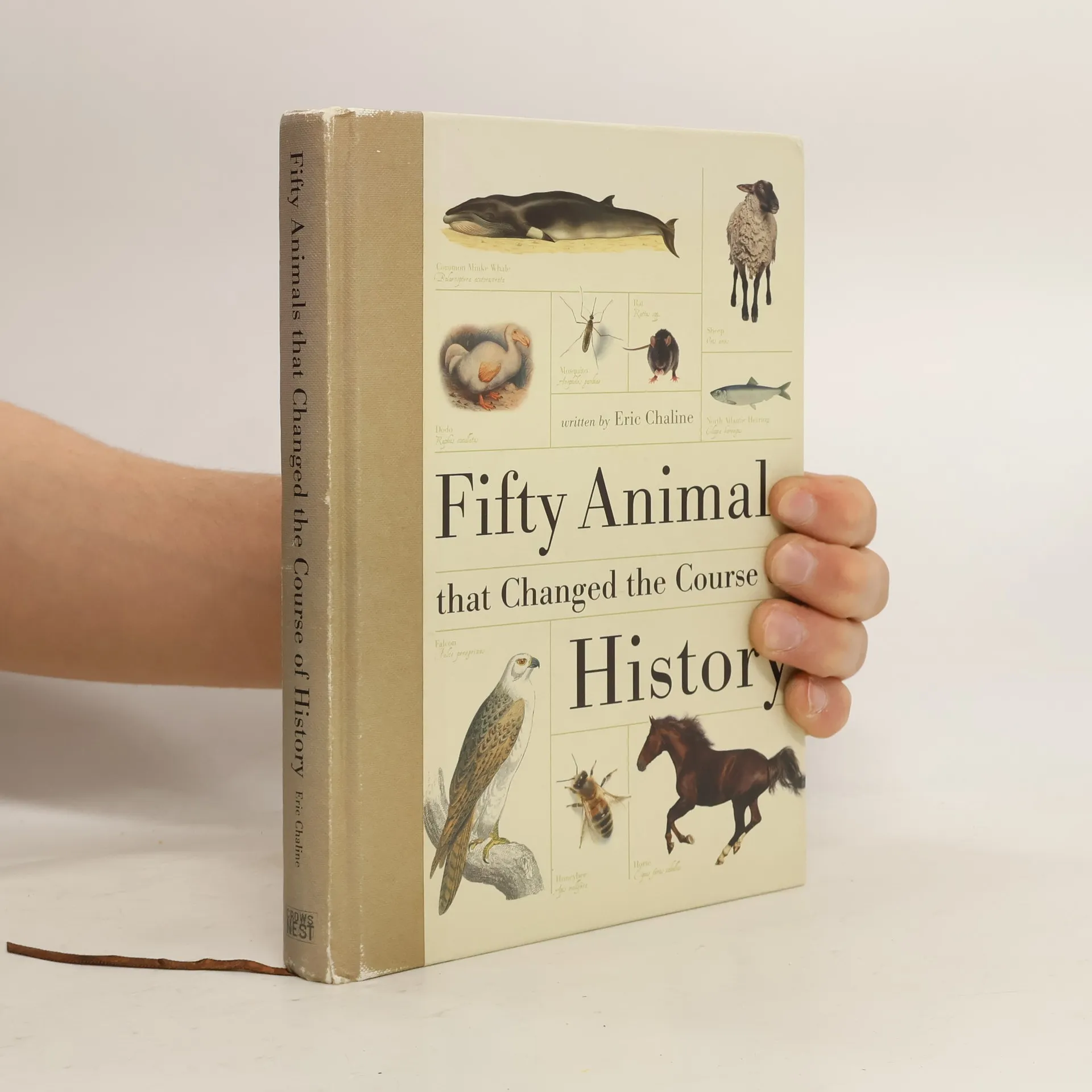
This beautifully illustrated guide explores the animals that have significantly impacted human civilization throughout history. It reveals the intriguing stories of various creatures that have influenced the evolution of humankind and modern society, often overlooked in historical narratives. For instance, the horse has been pivotal in warfare since the fourth millennium BC, aiding the Mongols in their conquests across Asia and Europe. The silkworm has been essential to textile manufacturing for over 5,500 years, facilitating trade between China and Europe along the Silk Road. The flea Xenopsylla cheopis, responsible for spreading the Black Death, caused the deaths of up to 100 million people in the mid-1300s. These animals often serve as a lens through which specific historical episodes can be examined, such as the beaver, which led hunters into uncharted territories in North America during the fur trade, and the finch, which contributed to Darwin's theory of natural selection. Each animal's historical significance is assessed across four categories: edible, medical, commercial, and practical, illustrating their profound influence on agriculture, disease transmission, trade, and transportation.



Zakup książki
Fifty Animals That Changed the Course of History, Eric Chaline
- Język

- Rok wydania
- 2011,
- Stan książki
- Dobry
- Cena
- 23,06 zł
Metody płatności
Brakuje nam tutaj Twojej recenzji.
- Tytuł
- Fifty Animals That Changed the Course of History
- Język
- angielski
- Autorzy
- Eric Chaline
- Wydawca
- Crows Nest
- Rok wydania
- 2011
- Liczba stron
- 223
- ISBN10
- 1742377130
- ISBN13
- 9781742377131
- Seria
- Ocena
- 3,8 z 5
- Opis
- This beautifully illustrated guide explores the animals that have significantly impacted human civilization throughout history. It reveals the intriguing stories of various creatures that have influenced the evolution of humankind and modern society, often overlooked in historical narratives. For instance, the horse has been pivotal in warfare since the fourth millennium BC, aiding the Mongols in their conquests across Asia and Europe. The silkworm has been essential to textile manufacturing for over 5,500 years, facilitating trade between China and Europe along the Silk Road. The flea Xenopsylla cheopis, responsible for spreading the Black Death, caused the deaths of up to 100 million people in the mid-1300s. These animals often serve as a lens through which specific historical episodes can be examined, such as the beaver, which led hunters into uncharted territories in North America during the fur trade, and the finch, which contributed to Darwin's theory of natural selection. Each animal's historical significance is assessed across four categories: edible, medical, commercial, and practical, illustrating their profound influence on agriculture, disease transmission, trade, and transportation.