

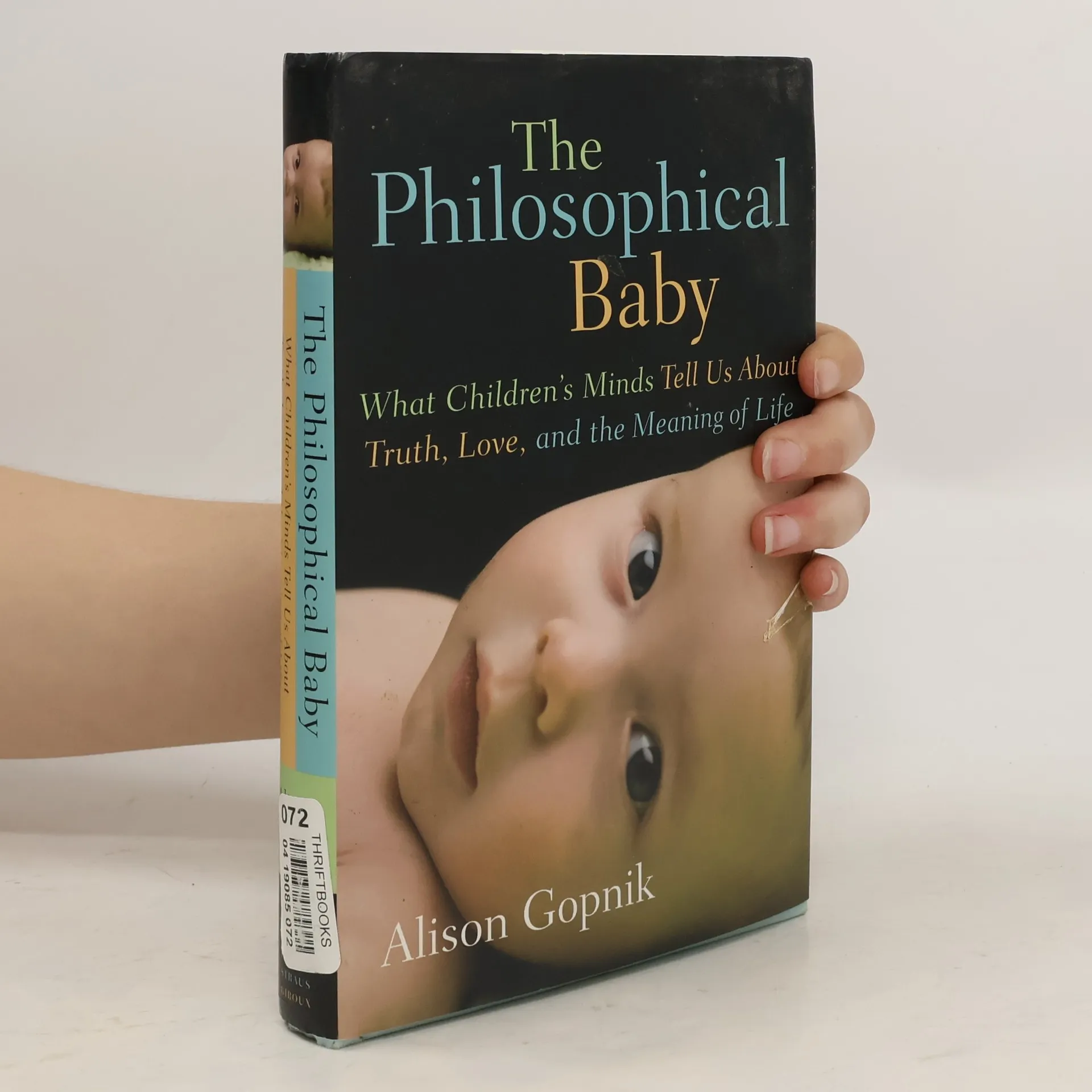
The Philosophical Baby
What Children's Minds Tell Us About Truth, Love, and the Meaning of Life
Autorzy
Ocena książki
Parametry
- 288 stron
- 11 godzin czytania
Więcej o książce
For most of us, having a baby is the most profound, intense, and fascinating experience of our lives. Now scientists and philosophers are starting to appreciate babies, too. The last decade has witnessed a revolution in our understanding of infants and young children. Scientists used to believe that babies were irrational, and that their thinking and experience were limited. Recently, they have discovered that babies learn more, create more, care more, and experience more than we could ever have imagined. And there is good reason to believe that babies are actually smarter, more thoughtful, and even more conscious than adults. This new science holds answers to some of the deepest and oldest questions about what it means to be human. A new baby’s captivated gaze at her mother’s face lays the foundations for love and morality. A toddler’s unstoppable explorations of his playpen hold the key to scientific discovery. A three-year-old’s wild make-believe explains how we can imagine the future, write novels, and invent new technologies. Alison Gopnik - a leading psychologist and philosopher, as well as a mother - explains the groundbreaking new psychological, neuroscientific, and philosophical developments in our understanding of very young children, transforming our understanding of how babies see the world, and in turn promoting a deeper appreciation for the role of parents.




Zakup książki
The Philosophical Baby, Alison Gopnik
- Język

- Rok wydania
- 2009
- Oprawa
- (twarda)
Metody płatności
Brakuje nam tutaj Twojej recenzji.
- Tytuł
- The Philosophical Baby
- Podtytuł
- What Children's Minds Tell Us About Truth, Love, and the Meaning of Life
- Język
- angielski
- Autorzy
- Alison Gopnik
- Wydawca
- Farrar, Straus and Giroux
- Rok wydania
- 2009
- Oprawa
- twarda
- Liczba stron
- 288
- ISBN10
- 0374231966
- ISBN13
- 9780374231965
- Seria
- Kategorie
- Oryginalna nazwa
- The philosophical baby
- Ocena
- 3,75 z 5
- Opis
- For most of us, having a baby is the most profound, intense, and fascinating experience of our lives. Now scientists and philosophers are starting to appreciate babies, too. The last decade has witnessed a revolution in our understanding of infants and young children. Scientists used to believe that babies were irrational, and that their thinking and experience were limited. Recently, they have discovered that babies learn more, create more, care more, and experience more than we could ever have imagined. And there is good reason to believe that babies are actually smarter, more thoughtful, and even more conscious than adults. This new science holds answers to some of the deepest and oldest questions about what it means to be human. A new baby’s captivated gaze at her mother’s face lays the foundations for love and morality. A toddler’s unstoppable explorations of his playpen hold the key to scientific discovery. A three-year-old’s wild make-believe explains how we can imagine the future, write novels, and invent new technologies. Alison Gopnik - a leading psychologist and philosopher, as well as a mother - explains the groundbreaking new psychological, neuroscientific, and philosophical developments in our understanding of very young children, transforming our understanding of how babies see the world, and in turn promoting a deeper appreciation for the role of parents.