


Więcej o książce
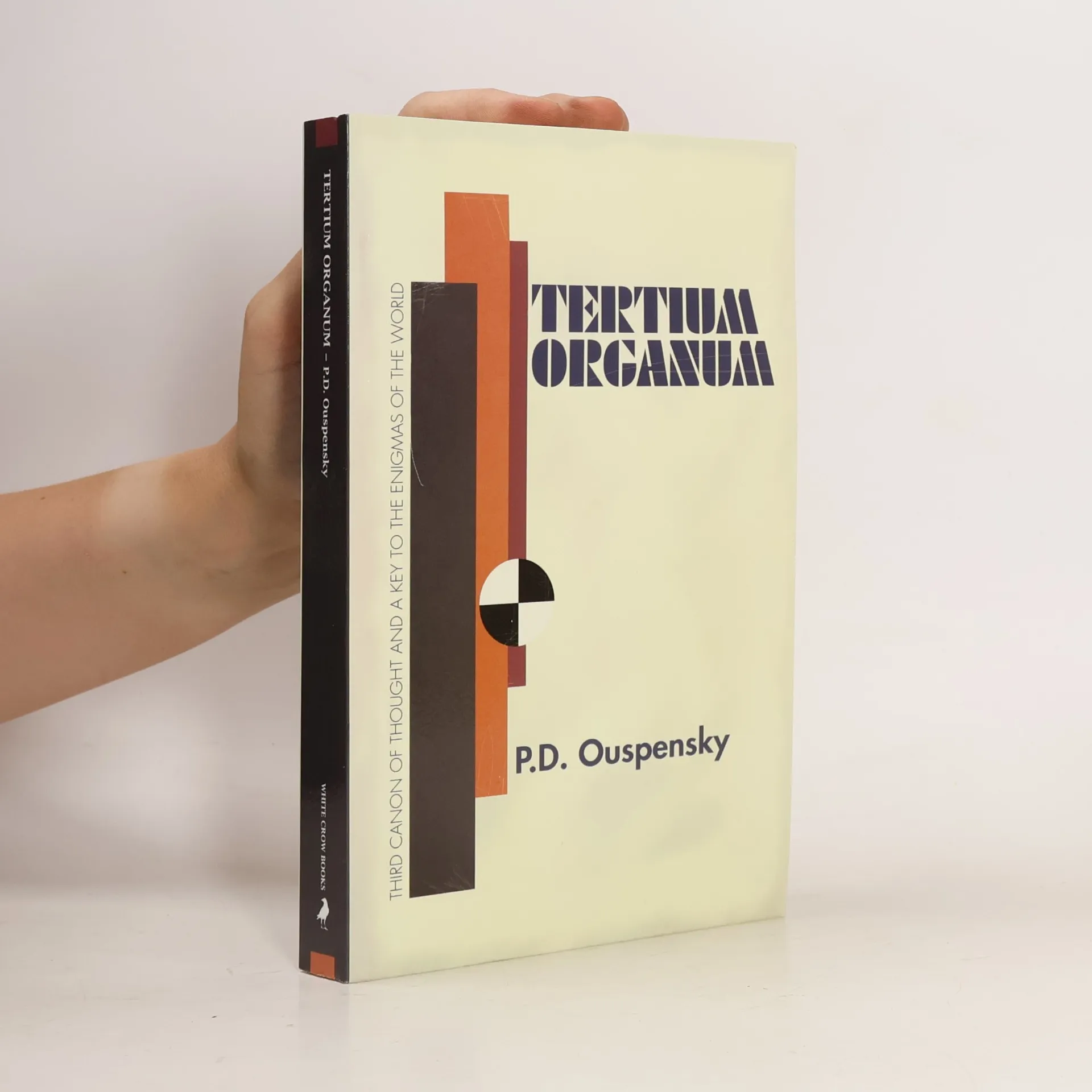
When "Tertium Organum" debuted in New York, its author, P. D. Ouspensky, was unaware of its release. Originally titled Kluck Kzaradkam, it was published in St. Petersburg in 1912. Nicholas Bessarabof, a Russian émigré, brought the book to America before the 1917 Revolution. He shared it with architect Claude Bragdon, who was intrigued by its exploration of forth-dimensional consciousness. After reading it, Bragdon praised Ouspensky as a remarkable young Russian and believed the book to be a transformative work. In 1920, without Ouspensky's knowledge, Bragdon and Bessarabof published the English translation through Manas Press in New York. Meanwhile, Ouspensky, a struggling journalist, arrived in Constantinople with little money. He was later thrilled to learn of the book's success and received a substantial royalty check. In 1921, he remarked that the translation captured his thoughts so accurately that he only needed to correct one word. That same year, he received an invitation from Lady Rothermere, which allowed him to move to England and gain Gurdjieff's permission to write about his philosophy. Ouspensky spent the next two decades in England, lecturing on Gurdjieff's ideas and developing his own philosophy, attracting notable literary figures. Despite his significant influence in the 1920s and 1930s, he remains relatively unknown today.




Zakup książki
Tertium Organum, Petr Uspenskij
- Język

- Rok wydania
- 2010
- Oprawa
- (miękka),
- Stan książki
- Dobry
- Cena
- 76,65 zł
Metody płatności
Brakuje nam tutaj Twojej recenzji.
- Tytuł
- Tertium Organum
- Język
- angielski
- Autorzy
- Petr Uspenskij
- Wydawca
- White Crow Books
- Rok wydania
- 2010
- Oprawa
- miękka
- Liczba stron
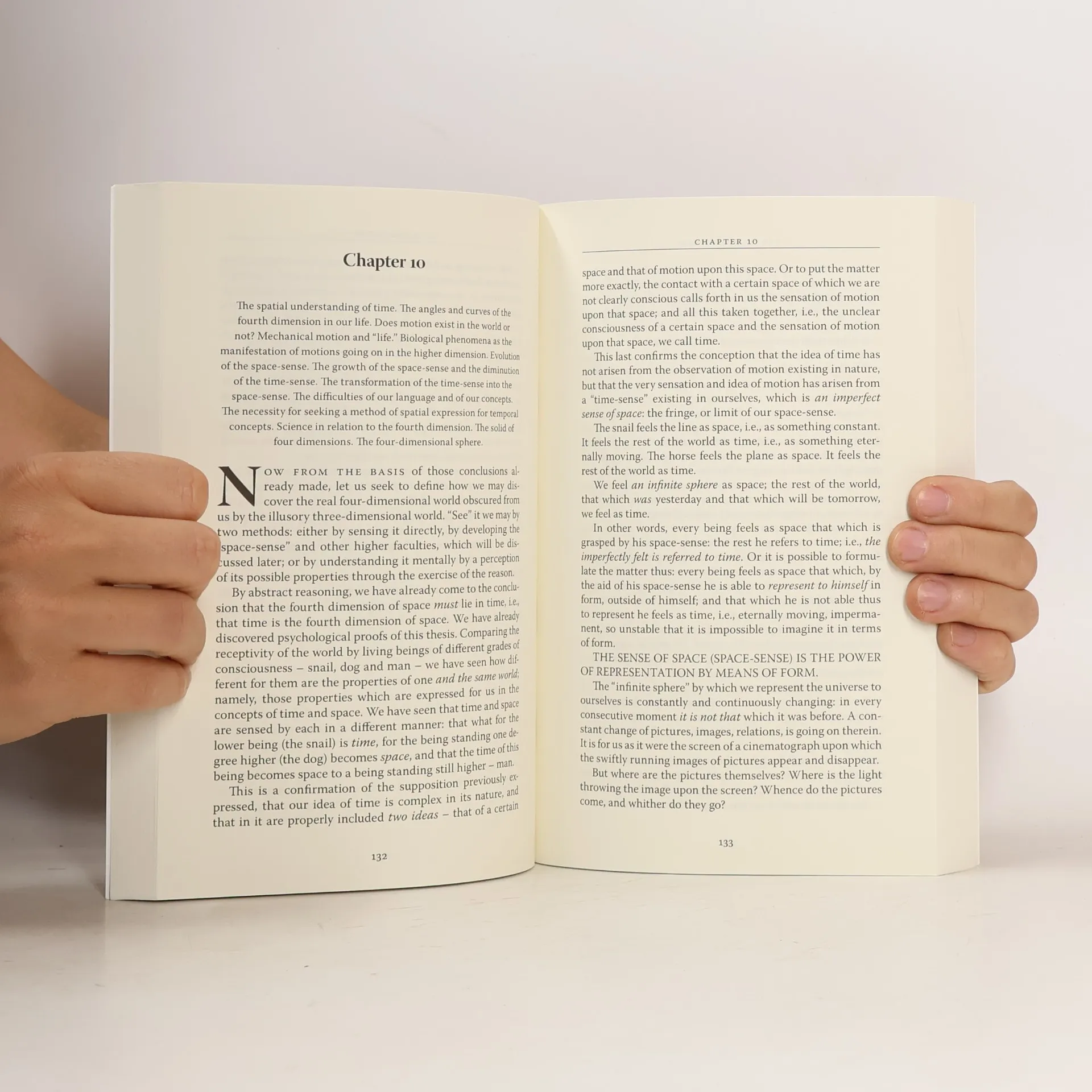
- 386
- ISBN10
- 1907661476
- ISBN13
- 9781907661471
- Seria
- Oryginalna nazwa
- Tertium organum
- Ocena
- 4 z 5
- Opis
- When "Tertium Organum" debuted in New York, its author, P. D. Ouspensky, was unaware of its release. Originally titled Kluck Kzaradkam, it was published in St. Petersburg in 1912. Nicholas Bessarabof, a Russian émigré, brought the book to America before the 1917 Revolution. He shared it with architect Claude Bragdon, who was intrigued by its exploration of forth-dimensional consciousness. After reading it, Bragdon praised Ouspensky as a remarkable young Russian and believed the book to be a transformative work. In 1920, without Ouspensky's knowledge, Bragdon and Bessarabof published the English translation through Manas Press in New York. Meanwhile, Ouspensky, a struggling journalist, arrived in Constantinople with little money. He was later thrilled to learn of the book's success and received a substantial royalty check. In 1921, he remarked that the translation captured his thoughts so accurately that he only needed to correct one word. That same year, he received an invitation from Lady Rothermere, which allowed him to move to England and gain Gurdjieff's permission to write about his philosophy. Ouspensky spent the next two decades in England, lecturing on Gurdjieff's ideas and developing his own philosophy, attracting notable literary figures. Despite his significant influence in the 1920s and 1930s, he remains relatively unknown today.