

Więcej o książce
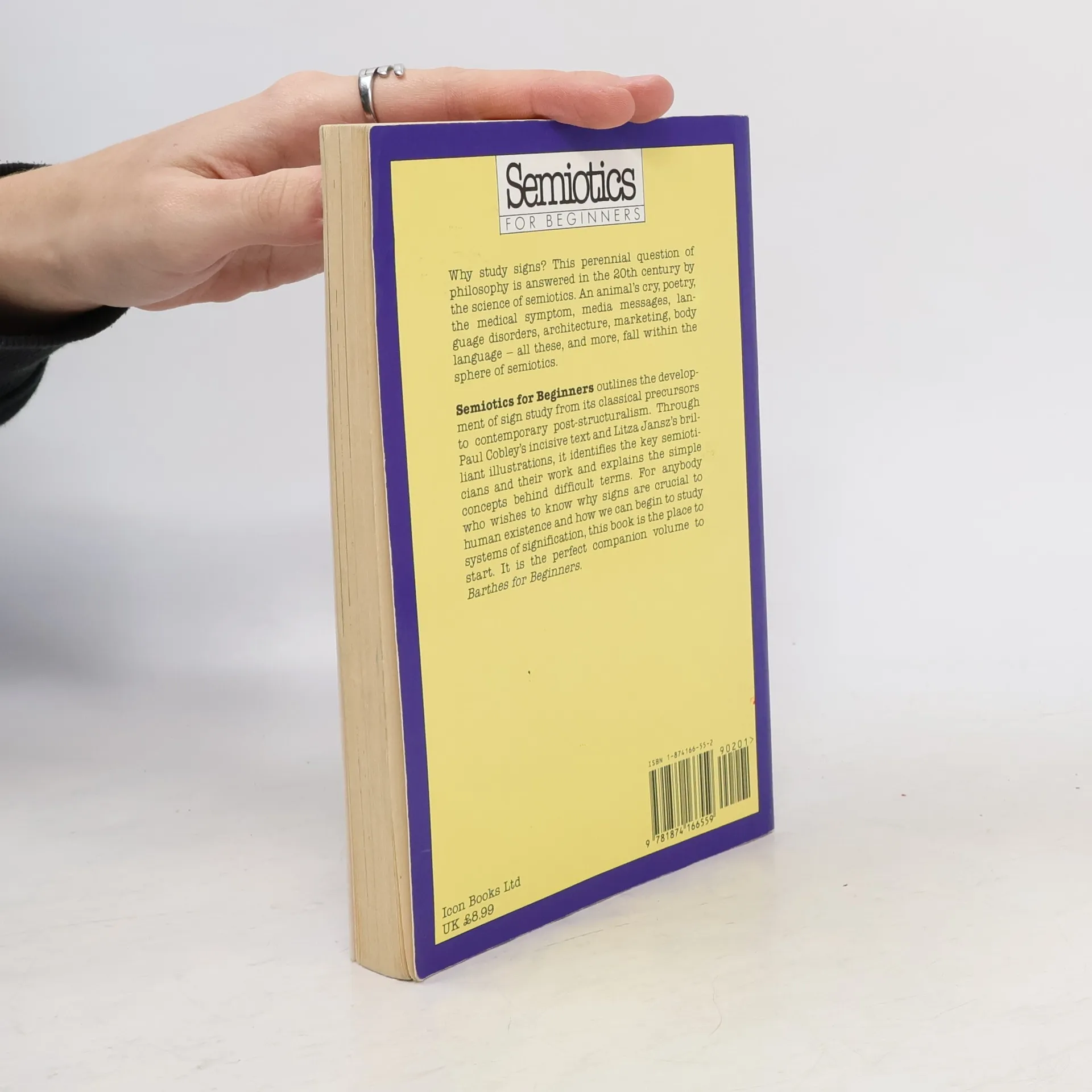
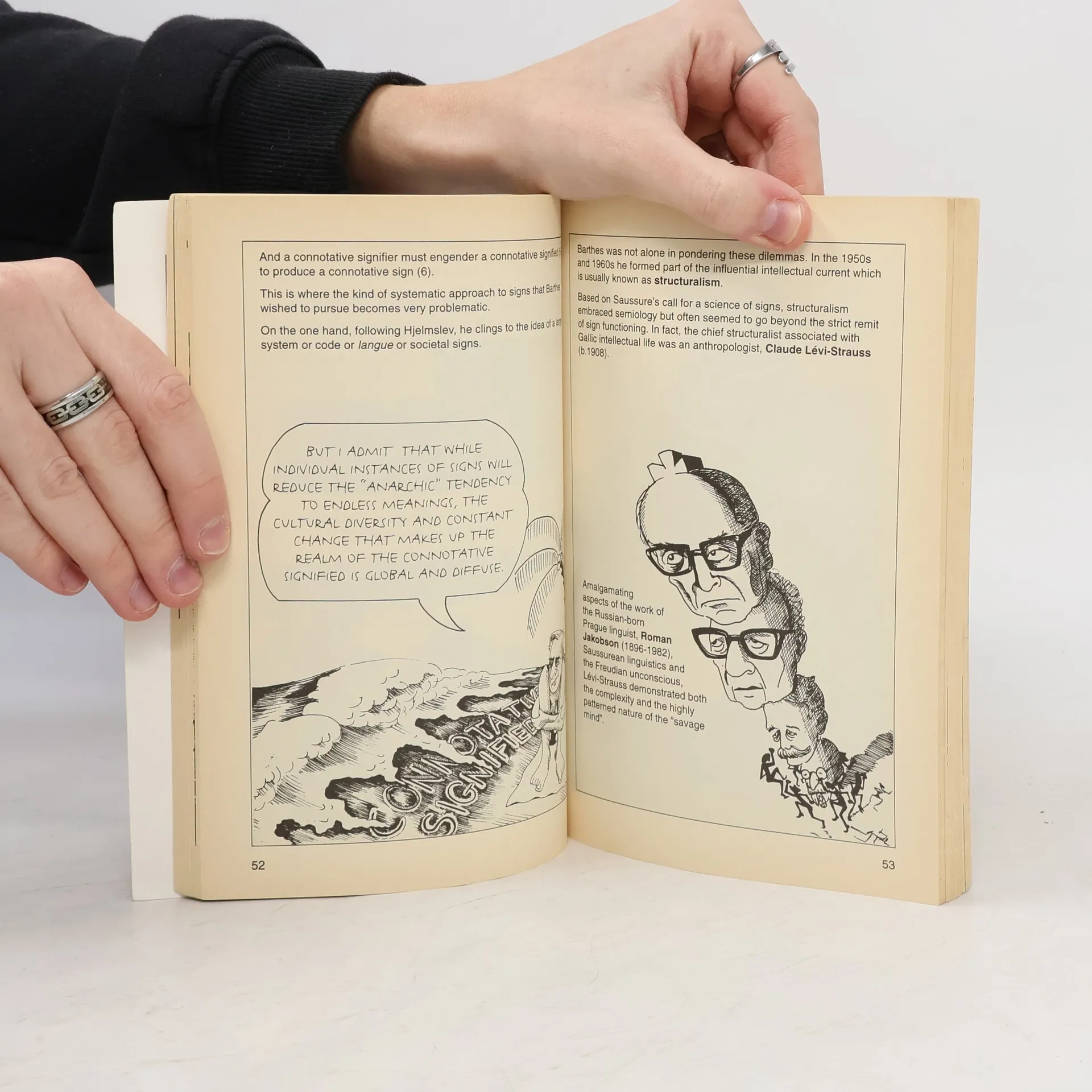
Why study signs? This perennial question of philosophy is answered in the 20th century by the science of semiotics. An animal's cry, poetry, the medical symptom, media messages, language disorders, architecture, marketing, body language-- all these, and more, fall within the sphere of semiotics. Introducing Semiotics outlines the development of sign study from its classical precursors to contemporary post-structuralism. Through Paul Cobley's incisive text and Litza Jansz's brilliant illustrations, this seminal introduction identifies the key semioticians and their work and explains the simple concepts behind difficult terms. For anybody who wishes to know why signs are crucial to human existence and how we can begin to study systems of signification, this book is the place to start. It is the perfect companion volume to Introducing Barthes.


Zakup książki
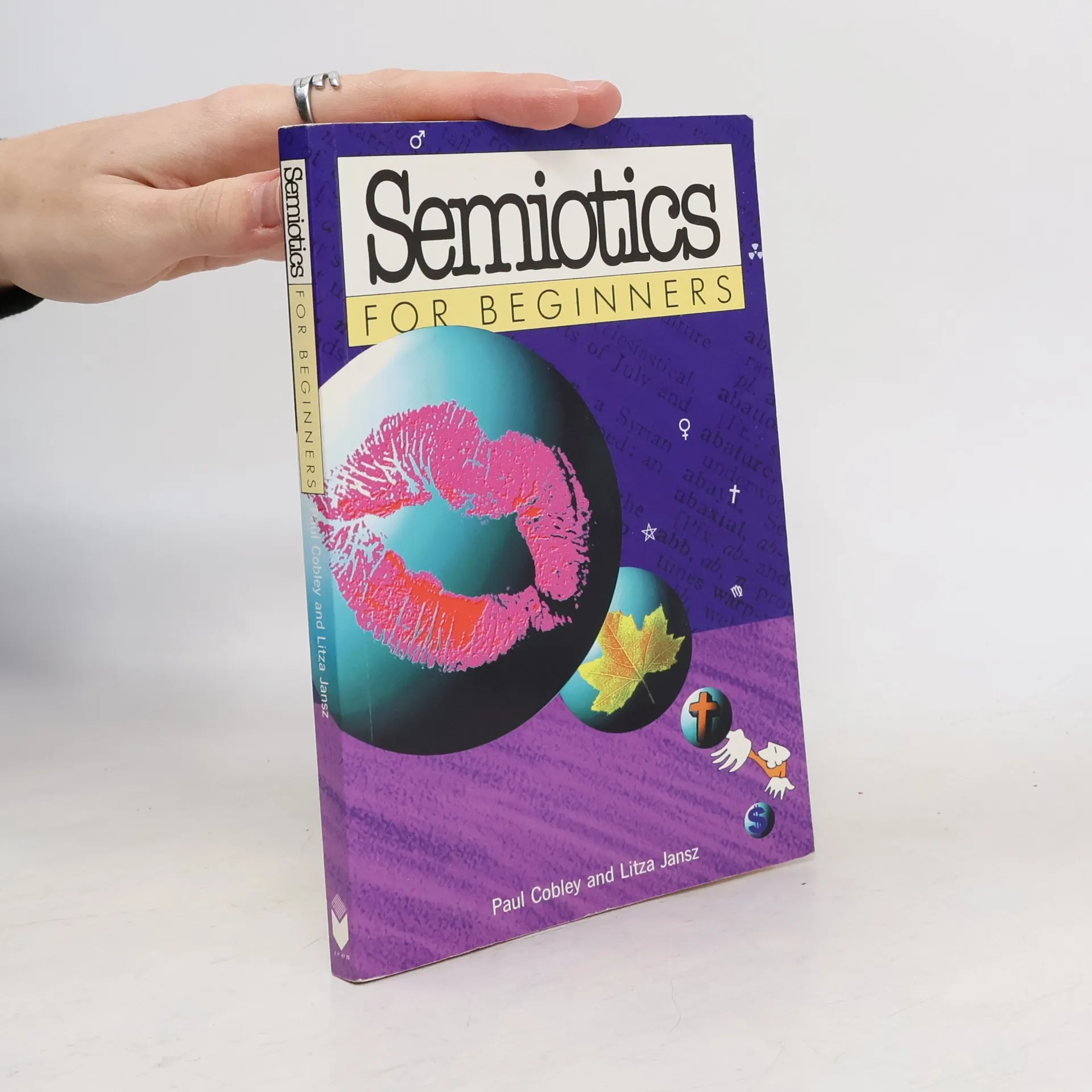
Semiotics for Beginners, Litza Jansz, Paul Cobley
- Język

- Rok wydania
- 1997
- Oprawa
- (miękka)
Metody płatności
Brakuje nam tutaj Twojej recenzji.
- Tytuł
- Semiotics for Beginners
- Język
- angielski
- Autorzy
- Litza Jansz, Paul Cobley
- Wydawca
- Icon,Totem Books
- Rok wydania
- 1997
- Oprawa
- miękka
- Liczba stron
- 176
- ISBN10
- 1874166552
- ISBN13
- 9781874166559
- Seria
- Ocena
- 3,6 z 5
- Opis
- Why study signs? This perennial question of philosophy is answered in the 20th century by the science of semiotics. An animal's cry, poetry, the medical symptom, media messages, language disorders, architecture, marketing, body language-- all these, and more, fall within the sphere of semiotics. Introducing Semiotics outlines the development of sign study from its classical precursors to contemporary post-structuralism. Through Paul Cobley's incisive text and Litza Jansz's brilliant illustrations, this seminal introduction identifies the key semioticians and their work and explains the simple concepts behind difficult terms. For anybody who wishes to know why signs are crucial to human existence and how we can begin to study systems of signification, this book is the place to start. It is the perfect companion volume to Introducing Barthes.