

Parametry
- 196 stron
- 7 godzin czytania
Więcej o książce
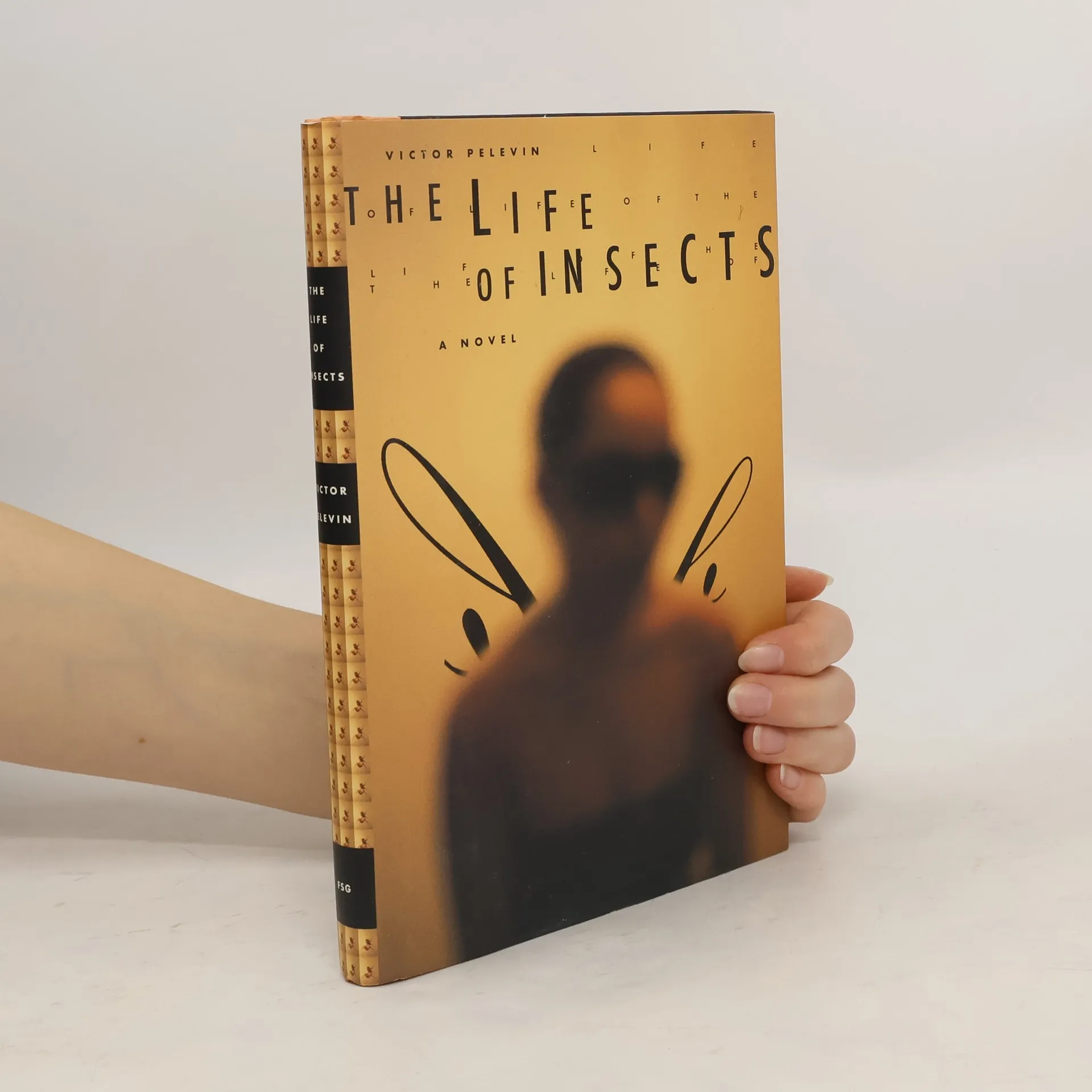
An imaginative tale rich in allegory, fantasy, and philosophical inquiry unfolds in a world where everything is interconnected. Samuel Sacker, an American businessman, arrives at a seaside hotel for a meeting with his two Russian partners. Soon, the three of them transform into mosquitoes, embarking on a quest for hemoglobin and glucose. We encounter a pair of dung beetles, a father and son, who discuss the mysteries of the universe; a woman named Marina, who is also a fly laboring in a cooperative resembling a hive; and an engineer named Seryozha, who, due to his long antennae, is often mistaken for a cockroach. Their fates intertwine in the most astonishing ways. This extraordinary world and its inhabitants serve as a striking and unsettling metaphor for the economic decline and social chaos in contemporary Russia.


Zakup książki
The Life of Insects, Viktor Olegovič Pelevin
- Język

- Rok wydania
- 1999
- Oprawa
- (twarda)
Metody płatności
Brakuje nam tutaj Twojej recenzji.
- Tytuł
- The Life of Insects
- Język
- angielski
- Autorzy
- Viktor Olegovič Pelevin
- Wydawca
- Penguin Group
- Rok wydania
- 1999
- Oprawa
- twarda
- Liczba stron
- 196
- Seria
- Tagi
- Literatura współczesna, Polityka, Opowiadania, Mitologia, Prezenty dla mężczyzn, Rosja, Literatura rosyjska, Satyra, Realizm magiczny, Sny, Komunizm, Związek Radziecki, Kosmonauci & Astronauci
- Pierwsze wydanie
- 1992
- Oryginalna nazwa
- Омон Ра
- Ocena
- 3,85 z 5
- Opis
- An imaginative tale rich in allegory, fantasy, and philosophical inquiry unfolds in a world where everything is interconnected. Samuel Sacker, an American businessman, arrives at a seaside hotel for a meeting with his two Russian partners. Soon, the three of them transform into mosquitoes, embarking on a quest for hemoglobin and glucose. We encounter a pair of dung beetles, a father and son, who discuss the mysteries of the universe; a woman named Marina, who is also a fly laboring in a cooperative resembling a hive; and an engineer named Seryozha, who, due to his long antennae, is often mistaken for a cockroach. Their fates intertwine in the most astonishing ways. This extraordinary world and its inhabitants serve as a striking and unsettling metaphor for the economic decline and social chaos in contemporary Russia.