

Więcej o książce
From the bestselling author of Alone in Berlin, this acclaimed novel follows a young couple navigating life in 1930s Germany. Lämmchen and 'Boy' fall in love, marry, and start a family in Berlin in 1932, but their lives are overshadowed by the changing political landscape. As they struggle with bullying bosses, unpaid bills, monstrous mothers-in-law, and Nazi streetfighters, they question whether love can sustain them. This work, which established Hans Fallada as a significant writer, portrays one of literature's most touching couples, blending comedy with desperation. Published just before Hitler's rise to power, it hauntingly depicts innocents on the brink of losing everything. Michael Hofmann's brilliant new translation captures the era's austerity and turmoil in Weimar Germany. Critics have praised Fallada's genius, noting the emotional depth and variety in characterization. The narrative resonates with both despair and hope, reflecting the complexities of life during a pivotal moment in history. This novel remains a powerful exploration of ordinary people facing extraordinary challenges.





Zakup książki
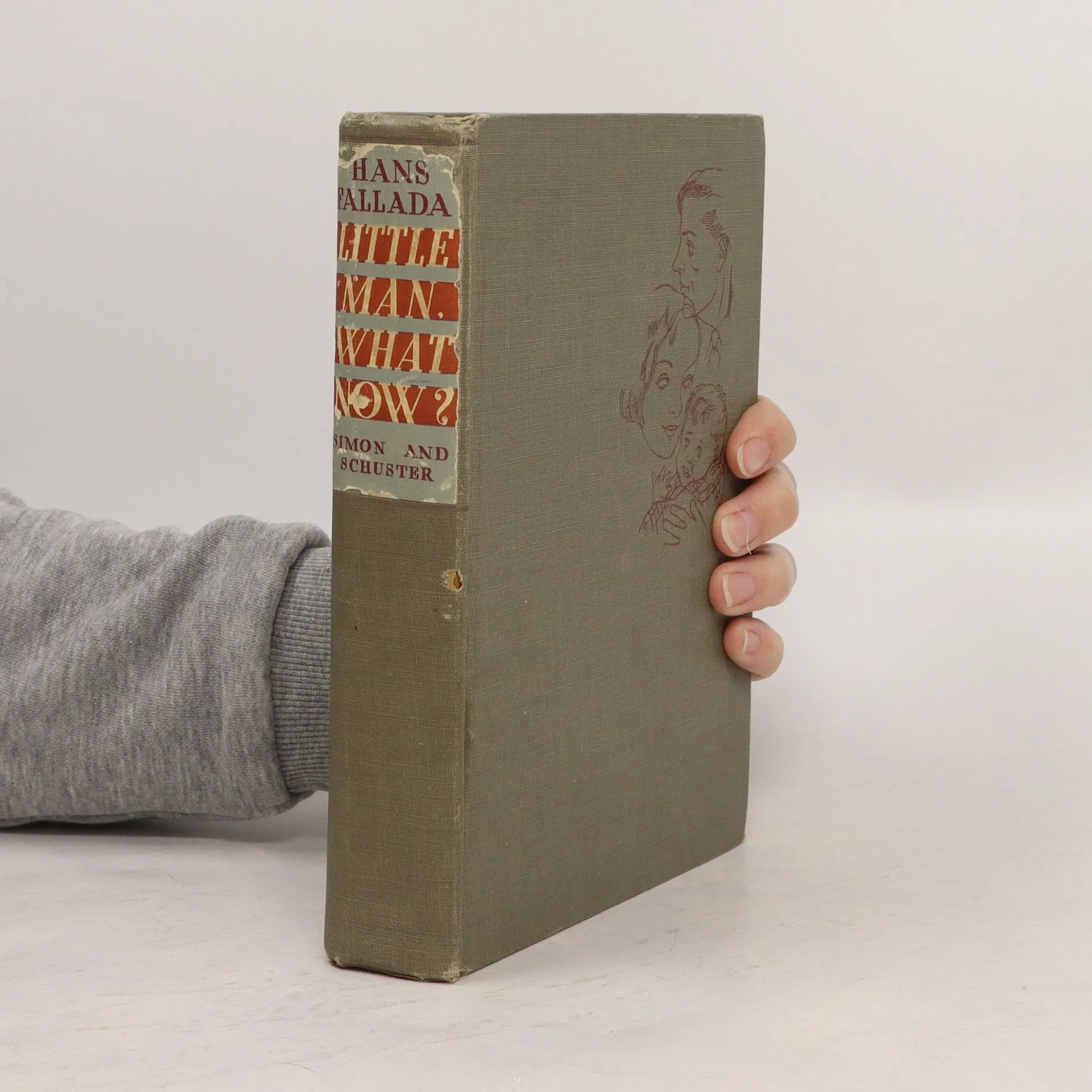
Little Man, What Now?, Hans Fallada
- Język

- Rok wydania
- Oprawa
- (twarda)
Metody płatności
Brakuje nam tutaj Twojej recenzji.
- Tytuł
- Little Man, What Now?
- Język
- angielski
- Autorzy
- Hans Fallada
- Wydawca
- Simon and Schuster
- Oprawa
- twarda
- Seria
- Tagi
- Miłość, Rodzina, Literatura niemiecka, Niemcy, XX wiek, Berlin, Małżeństwo, Zatrudnienie, Bieda, Republika Weimarska, Kryzys gospodarczy, Bezrobocie
- Ocena
- 3,95 z 5
- Opis
- From the bestselling author of Alone in Berlin, this acclaimed novel follows a young couple navigating life in 1930s Germany. Lämmchen and 'Boy' fall in love, marry, and start a family in Berlin in 1932, but their lives are overshadowed by the changing political landscape. As they struggle with bullying bosses, unpaid bills, monstrous mothers-in-law, and Nazi streetfighters, they question whether love can sustain them. This work, which established Hans Fallada as a significant writer, portrays one of literature's most touching couples, blending comedy with desperation. Published just before Hitler's rise to power, it hauntingly depicts innocents on the brink of losing everything. Michael Hofmann's brilliant new translation captures the era's austerity and turmoil in Weimar Germany. Critics have praised Fallada's genius, noting the emotional depth and variety in characterization. The narrative resonates with both despair and hope, reflecting the complexities of life during a pivotal moment in history. This novel remains a powerful exploration of ordinary people facing extraordinary challenges.