

Parametry
- 371 stron
- 13 godzin czytania
Więcej o książce
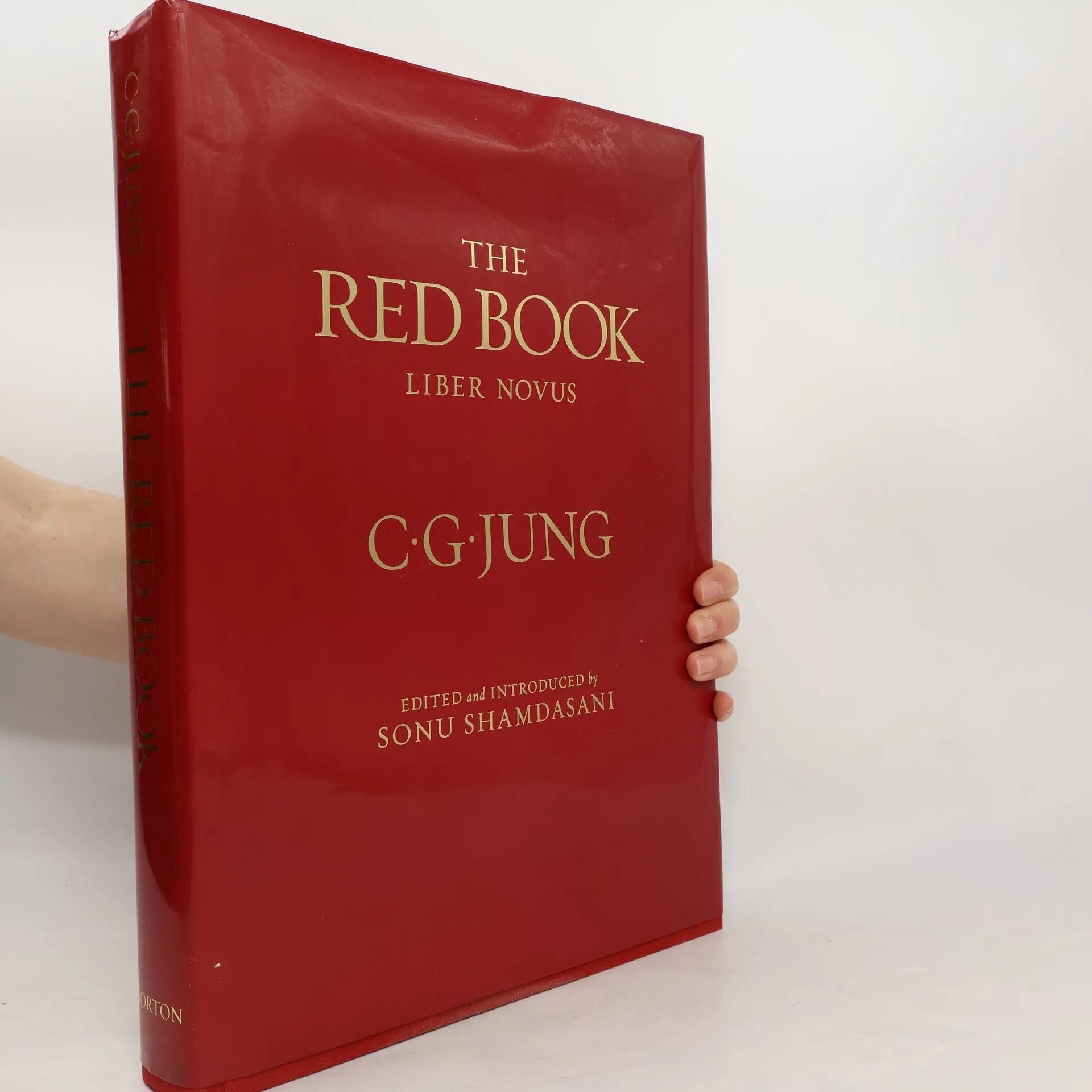
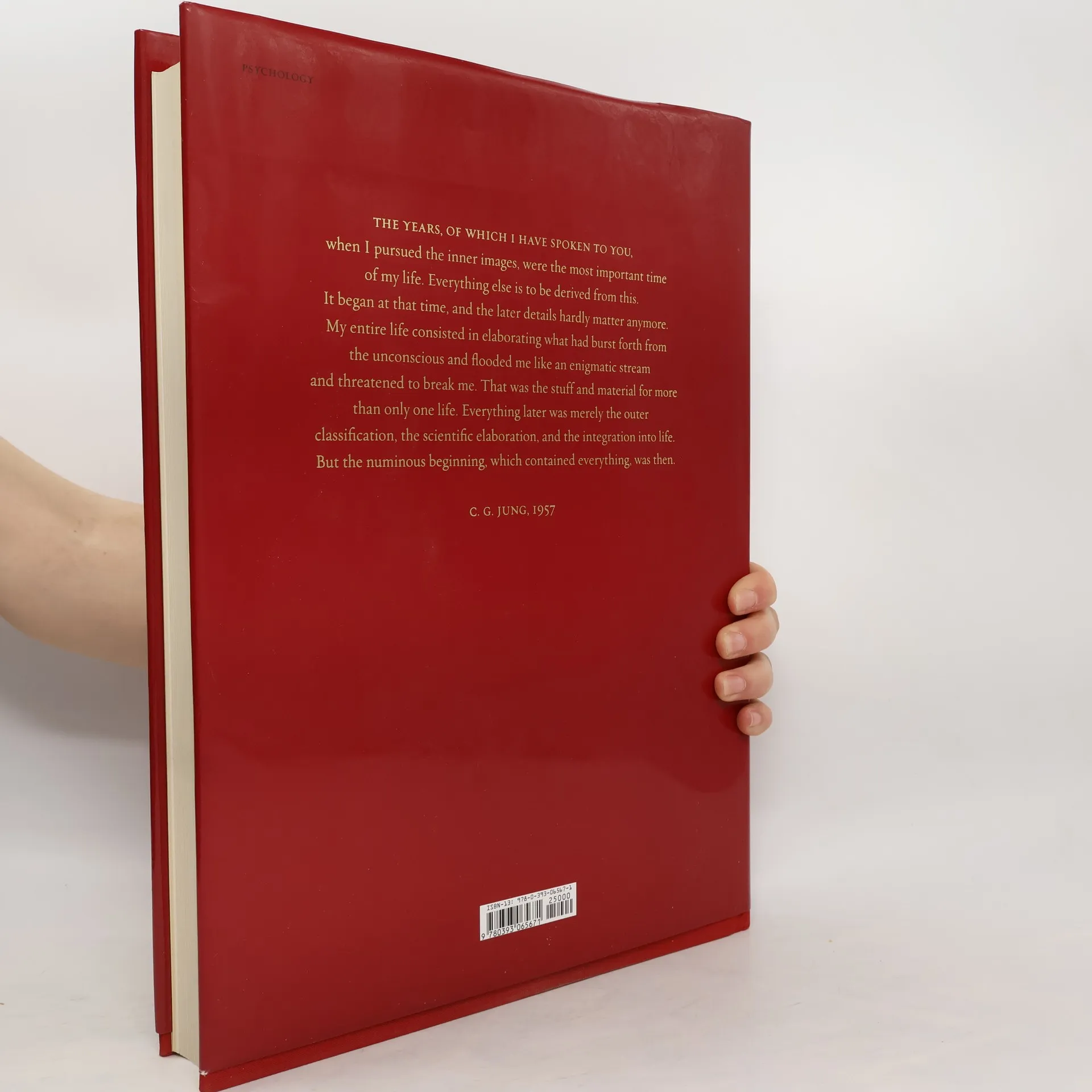
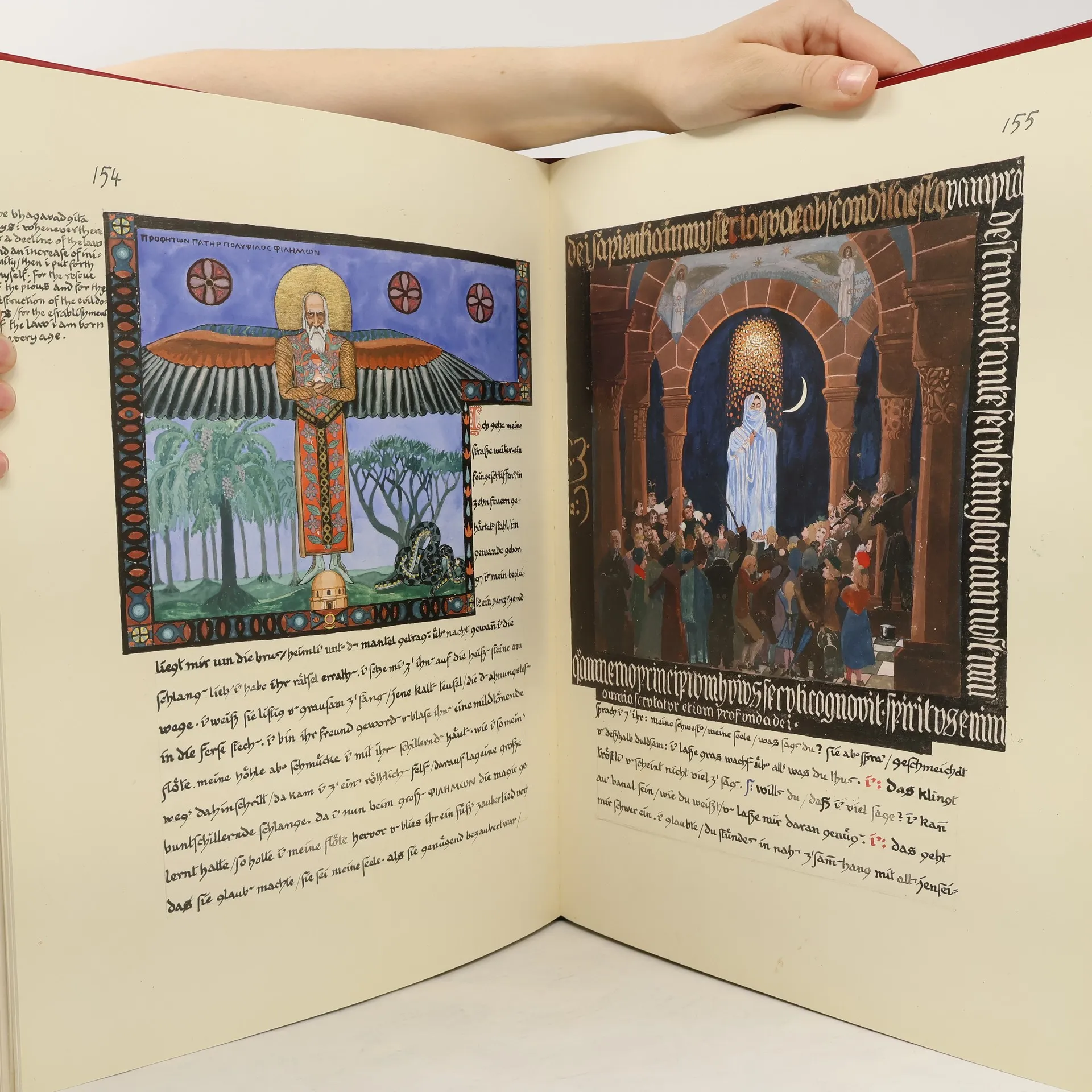
When Carl Jung embarked on an extended self-exploration he called it his “confrontation with the unconscious,” the heart of it was The Red Book, a large, illuminated volume he created between 1914 and 1930. Here he developed his principle theories—of the archetypes, the collective unconscious, and the process of individuation—that transformed psychotherapy from a practice concerned with treatment of the sick into a means for higher development of the personality. While Jung considered The Red Book to be his most important work, only a handful of people have ever seen it. Now, in a complete facsimile and translation, it is available to scholars and the general public. It is an astonishing example of calligraphy and art on a par with The Book of Kells and the illuminated manuscripts of William Blake. This publication of The Red Book is a watershed that will cast new light on the making of modern psychology. 212 color illustrations.

Zakup książki
The Red Book. Liber novus, Carl Gustav Jung
- Język


- Rok wydania
- 2009
- Oprawa
- (twarda)
Metody płatności
Brakuje nam tutaj Twojej recenzji.
- Tytuł
- The Red Book. Liber novus
- Język
- angielski, niemiecki
- Autorzy
- Carl Gustav Jung
- Wydawca
- W. W. Norton & Company
- Rok wydania
- 2009
- Oprawa
- twarda
- Liczba stron
- 371
- ISBN10
- 0393065677
- ISBN13
- 9780393065671
- Seria
- Kolekcja
- Philemon series
- Tagi
- Tematyka psychologiczna, Tematyka filozoficzna, Sztuka, Duchowość, Osobistości, Szwajcaria, Psychoanaliza, Wydanie dwujęzyczne, Osobowość człowieka, Psychologia analityczna, Carl Gustav Jung, 1875-1961
- Pierwsze wydanie
- 2009
- Oryginalna nazwa
- The Red Book: Liber Novus
- Ocena
- 4,55 z 5
- Opis
- When Carl Jung embarked on an extended self-exploration he called it his “confrontation with the unconscious,” the heart of it was The Red Book, a large, illuminated volume he created between 1914 and 1930. Here he developed his principle theories—of the archetypes, the collective unconscious, and the process of individuation—that transformed psychotherapy from a practice concerned with treatment of the sick into a means for higher development of the personality. While Jung considered The Red Book to be his most important work, only a handful of people have ever seen it. Now, in a complete facsimile and translation, it is available to scholars and the general public. It is an astonishing example of calligraphy and art on a par with The Book of Kells and the illuminated manuscripts of William Blake. This publication of The Red Book is a watershed that will cast new light on the making of modern psychology. 212 color illustrations.