


Parametry
- 400 stron
- 14 godzin czytania
Więcej o książce
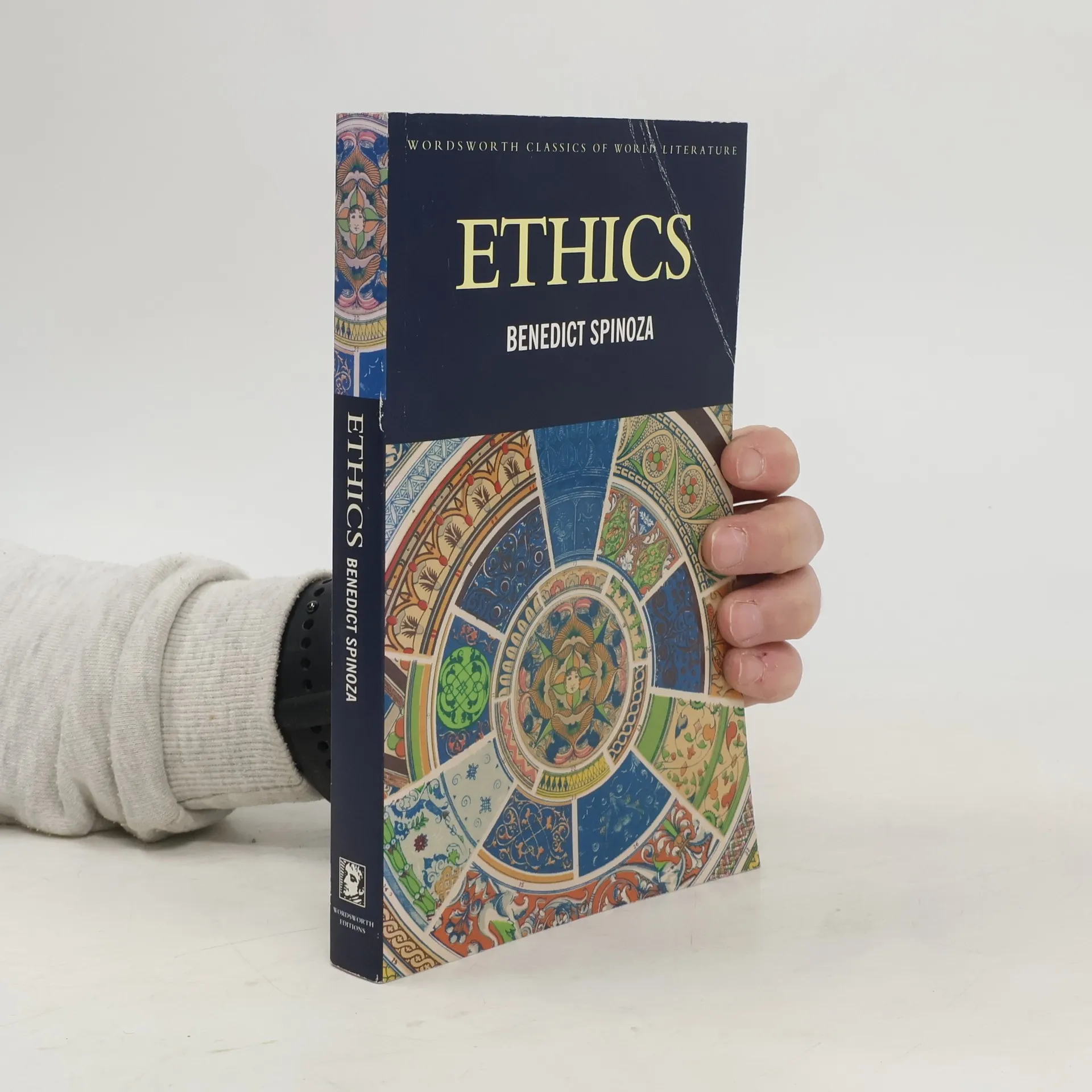
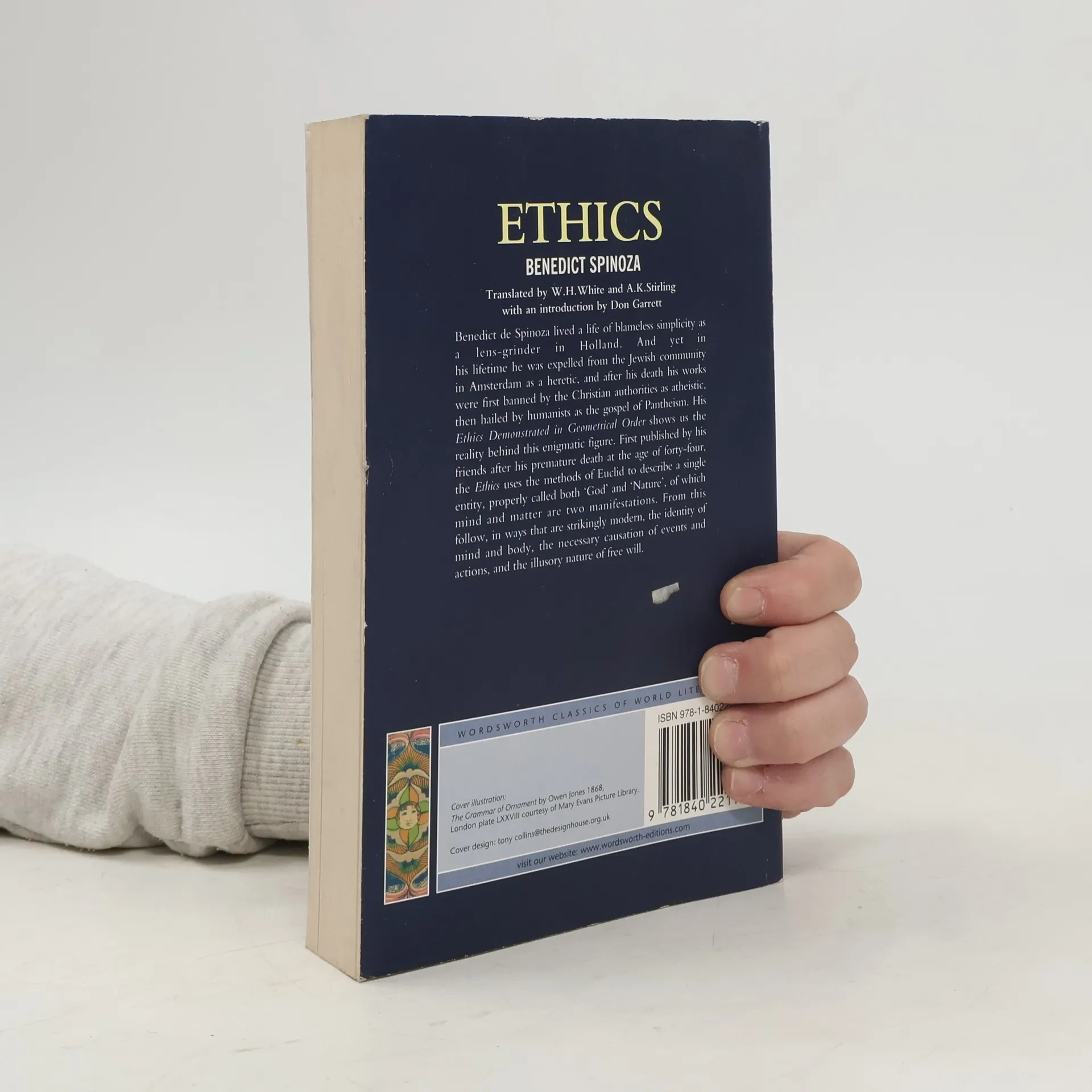
Translated by W.H.White and A.K.Stirling. With an Introduction by Don Garrett. Benedict de Spinoza lived a life of blameless simplicity as a lens-grinder in Holland. And yet in his lifetime he was expelled from the Jewish community in Amsterdam as a heretic, and after his death his works were first banned by the Christian authorities as atheistic, then hailed by humanists as the gospel of Pantheism. His Ethics Demonstrated in Geometrical Order shows us the reality behind this enigmatic figure. First published by his friends after his premature death at the age of forty-four, the Ethics uses the methods of Euclid to describe a single entity, properly called both 'God' and 'Nature', of which mind and matter are two manifestations. From this follow, in ways that are strikingly modern, the identity of mind and body, the necessary causation of events and actions, and the illusory nature of free will.




Zakup książki
Ethics, Benedictus de Spinoza
- Język

- Rok wydania
- 2001
- Oprawa
- (miękka)
Metody płatności
Brakuje nam tutaj Twojej recenzji.
- Tytuł
- Ethics
- Język
- angielski
- Autorzy
- Benedictus de Spinoza
- Wydawca
- Wordsworth Editions
- Rok wydania
- 2001
- Oprawa
- miękka
- Liczba stron
- 400
- ISBN10
- 1840221194
- ISBN13
- 9781840221190
- Seria
- Tagi
- Tematyka psychologiczna, Tematy religijne, Tematyka filozoficzna, Polityka, Prezenty dla dziadka, Teorie naukowe, Uniwersytet, Etyka, XVII wiek, Metafizyka, Filozofowie
- Pierwsze wydanie
- 1677
- Oryginalna nazwa
- Ethica
- Ocena
- 4,1 z 5
- Opis
- Translated by W.H.White and A.K.Stirling. With an Introduction by Don Garrett. Benedict de Spinoza lived a life of blameless simplicity as a lens-grinder in Holland. And yet in his lifetime he was expelled from the Jewish community in Amsterdam as a heretic, and after his death his works were first banned by the Christian authorities as atheistic, then hailed by humanists as the gospel of Pantheism. His Ethics Demonstrated in Geometrical Order shows us the reality behind this enigmatic figure. First published by his friends after his premature death at the age of forty-four, the Ethics uses the methods of Euclid to describe a single entity, properly called both 'God' and 'Nature', of which mind and matter are two manifestations. From this follow, in ways that are strikingly modern, the identity of mind and body, the necessary causation of events and actions, and the illusory nature of free will.