

Parametry
Więcej o książce
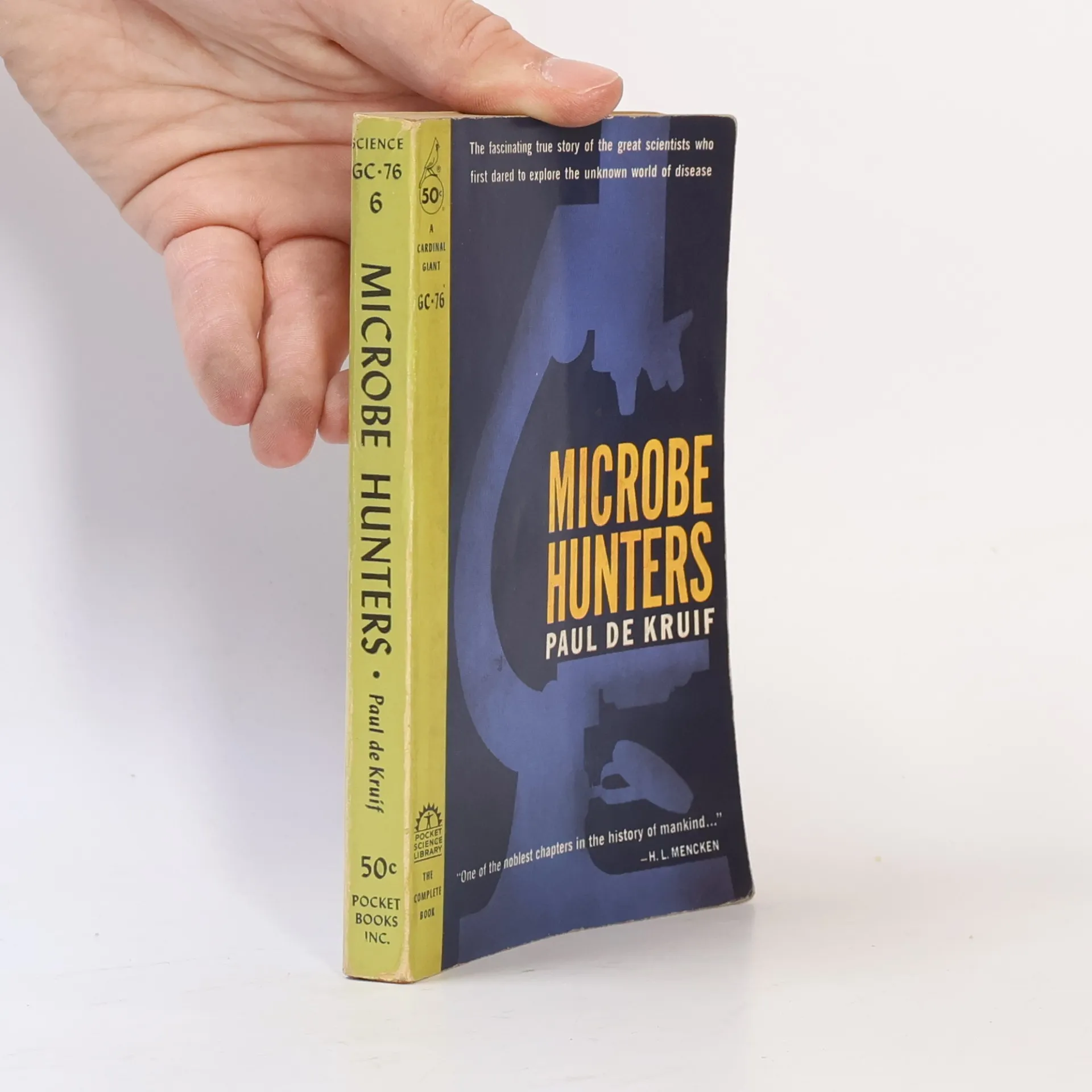
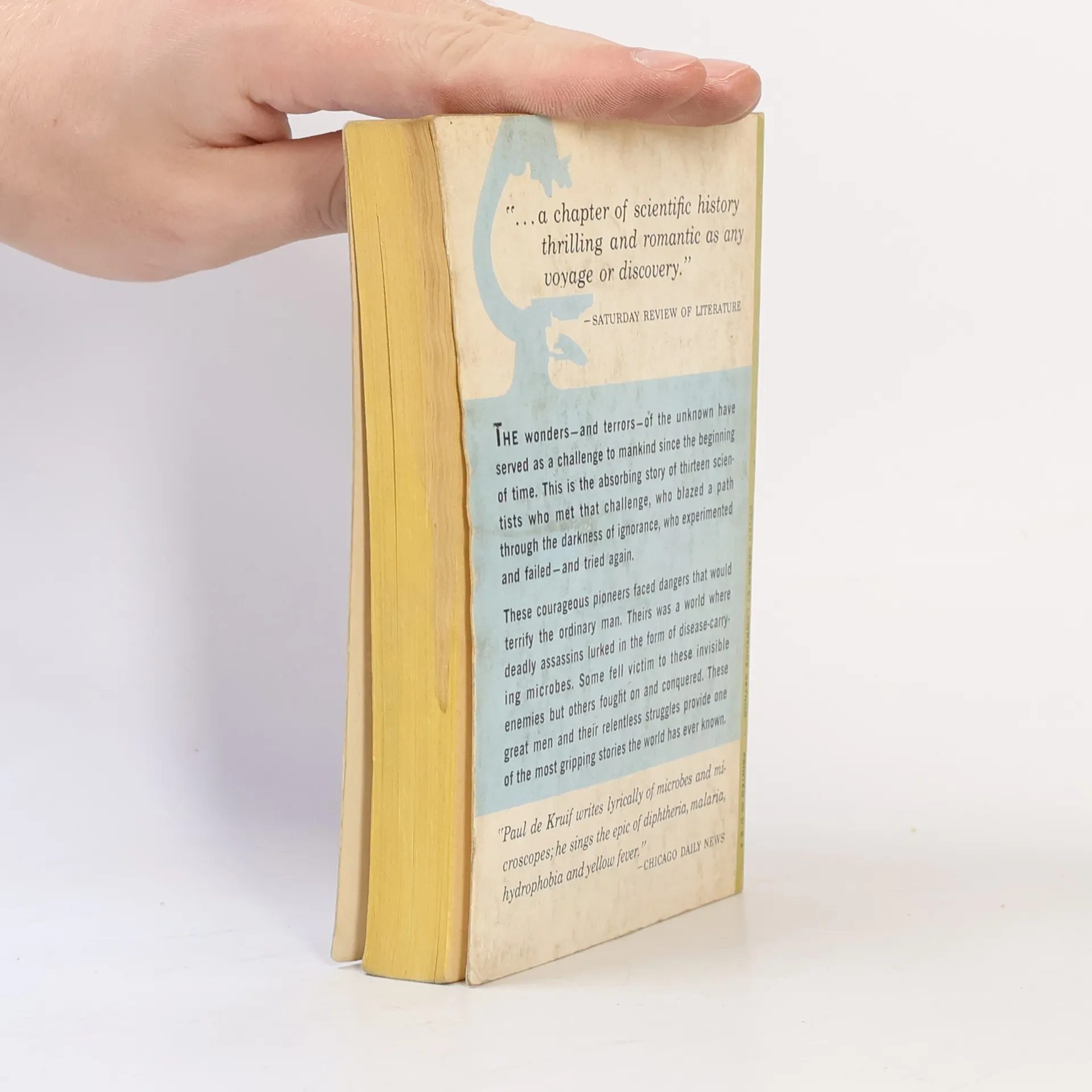
“It manages to delight, and frequently to entrance, old and new readers [and] continues to engage our hearts and minds today with an indescribably brand of affectionate sympathy.”—F. Gonzalez-Crussi, from the IntroductionAn international bestseller, translated into eighteen languages, Paul de Kruif’s classic account of the first scientists to see and learn about the microscopic world continues to fascinate new readers. This is a timeless dramatization of the scientists, bacteriologists, doctors, and medical technicians who discovered the microbes and invented the vaccines to counter them. De Kruif writes about how seemingly simple but really fundamental discovers of science—for instance, how a microbe was first viewed in a clear drop of rain water, and when, for the first time, Louis Pasteur discovered that a simple vaccine could save a man from the ravages of rabies by attacking the microbes that cause it.



Zakup książki
Microbe Hunters, Paul De Kruif
- Język

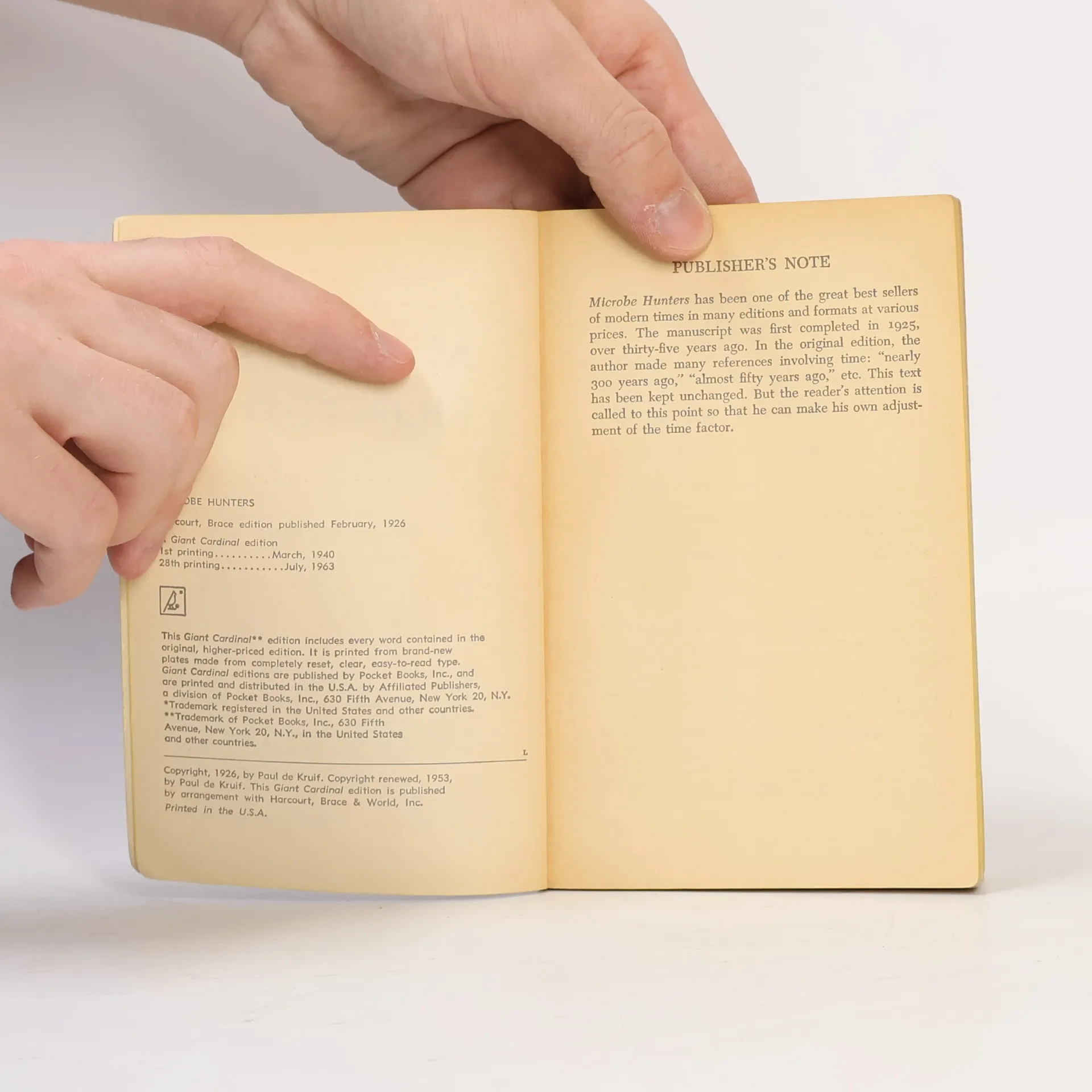
- Rok wydania
- 1963
- Oprawa
- (miękka),
- Stan książki
- Dobry
- Cena
- 80,05 zł
Metody płatności
Brakuje nam tutaj Twojej recenzji.
- Tytuł
- Microbe Hunters
- Język
- angielski
- Autorzy
- Paul De Kruif
- Wydawca
- Rok wydania
- 1963
- Oprawa
- miękka
- Seria
- Kategorie
- Ocena
- 4,15 z 5
- Opis
- “It manages to delight, and frequently to entrance, old and new readers [and] continues to engage our hearts and minds today with an indescribably brand of affectionate sympathy.”—F. Gonzalez-Crussi, from the IntroductionAn international bestseller, translated into eighteen languages, Paul de Kruif’s classic account of the first scientists to see and learn about the microscopic world continues to fascinate new readers. This is a timeless dramatization of the scientists, bacteriologists, doctors, and medical technicians who discovered the microbes and invented the vaccines to counter them. De Kruif writes about how seemingly simple but really fundamental discovers of science—for instance, how a microbe was first viewed in a clear drop of rain water, and when, for the first time, Louis Pasteur discovered that a simple vaccine could save a man from the ravages of rabies by attacking the microbes that cause it.