

Parametry
Więcej o książce
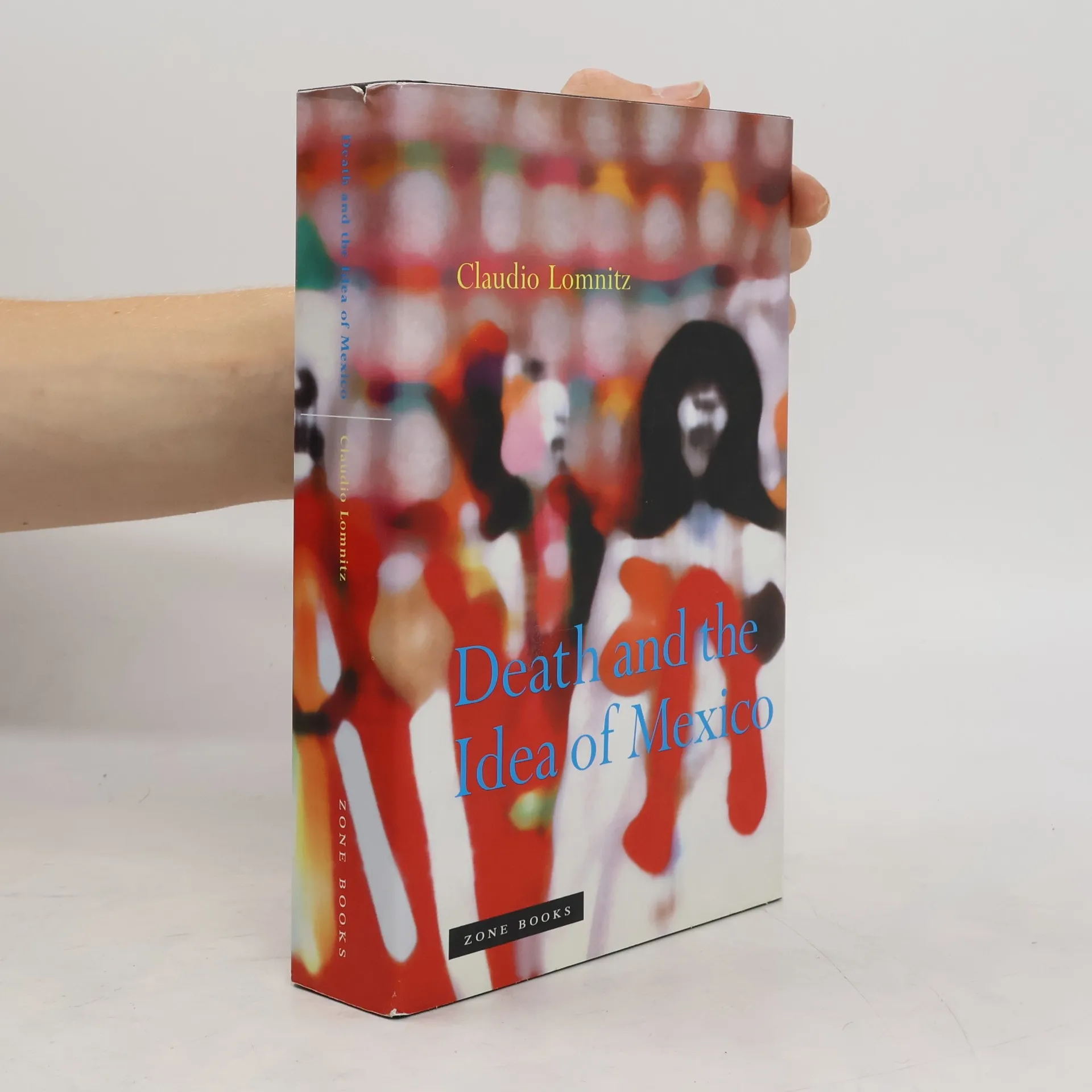
"Death and the Idea of Mexico is the first social, cultural, and political history of death in a nation that has made death its tutelary sign. Examining the history of death and of the death sign from sixteenth-century holocaust to contemporary Mexican-American identity politics, anthropologist Claudio Lomnitz's innovative study marks a turning point in understanding Mexico's rich and unique use of death imagery. Unlike contemporary Europeans and Americans, whose denial of death permeates their cultures, the Mexican people display and cultivate a jovial familiarity with death. This intimacy with death has become the cornerstone of Mexico's national identity." "Based on a stunning range of sources - from missionary testimonies to newspaper cartoons, from masterpieces of artistic vanguards to accounts of public executions and political assassinations - Death and the Idea of Mexico moves beyond the limited methodology of traditional historiographies of death to probe the depths of a people and a country whose fearless acquaintance with death shapes the very terms of its social compact."--Jacket


Zakup książki
Death and the Idea of Mexico, Claudio Lomnitz
- Język

- Rok wydania
- 2005
- Oprawa
- (twarda)
Metody płatności
Brakuje nam tutaj Twojej recenzji.
- Tytuł
- Death and the Idea of Mexico
- Język
- angielski
- Autorzy
- Claudio Lomnitz
- Wydawca
- Princeton University Press
- Rok wydania
- 2005
- Oprawa
- twarda
- ISBN10
- 1890951536
- ISBN13
- 9781890951535
- Seria
- Kategorie
- Tagi
- Tematy historyczne, Śmierć
- Ocena
- 3,95 z 5
- Opis
- "Death and the Idea of Mexico is the first social, cultural, and political history of death in a nation that has made death its tutelary sign. Examining the history of death and of the death sign from sixteenth-century holocaust to contemporary Mexican-American identity politics, anthropologist Claudio Lomnitz's innovative study marks a turning point in understanding Mexico's rich and unique use of death imagery. Unlike contemporary Europeans and Americans, whose denial of death permeates their cultures, the Mexican people display and cultivate a jovial familiarity with death. This intimacy with death has become the cornerstone of Mexico's national identity." "Based on a stunning range of sources - from missionary testimonies to newspaper cartoons, from masterpieces of artistic vanguards to accounts of public executions and political assassinations - Death and the Idea of Mexico moves beyond the limited methodology of traditional historiographies of death to probe the depths of a people and a country whose fearless acquaintance with death shapes the very terms of its social compact."--Jacket