

Więcej o książce
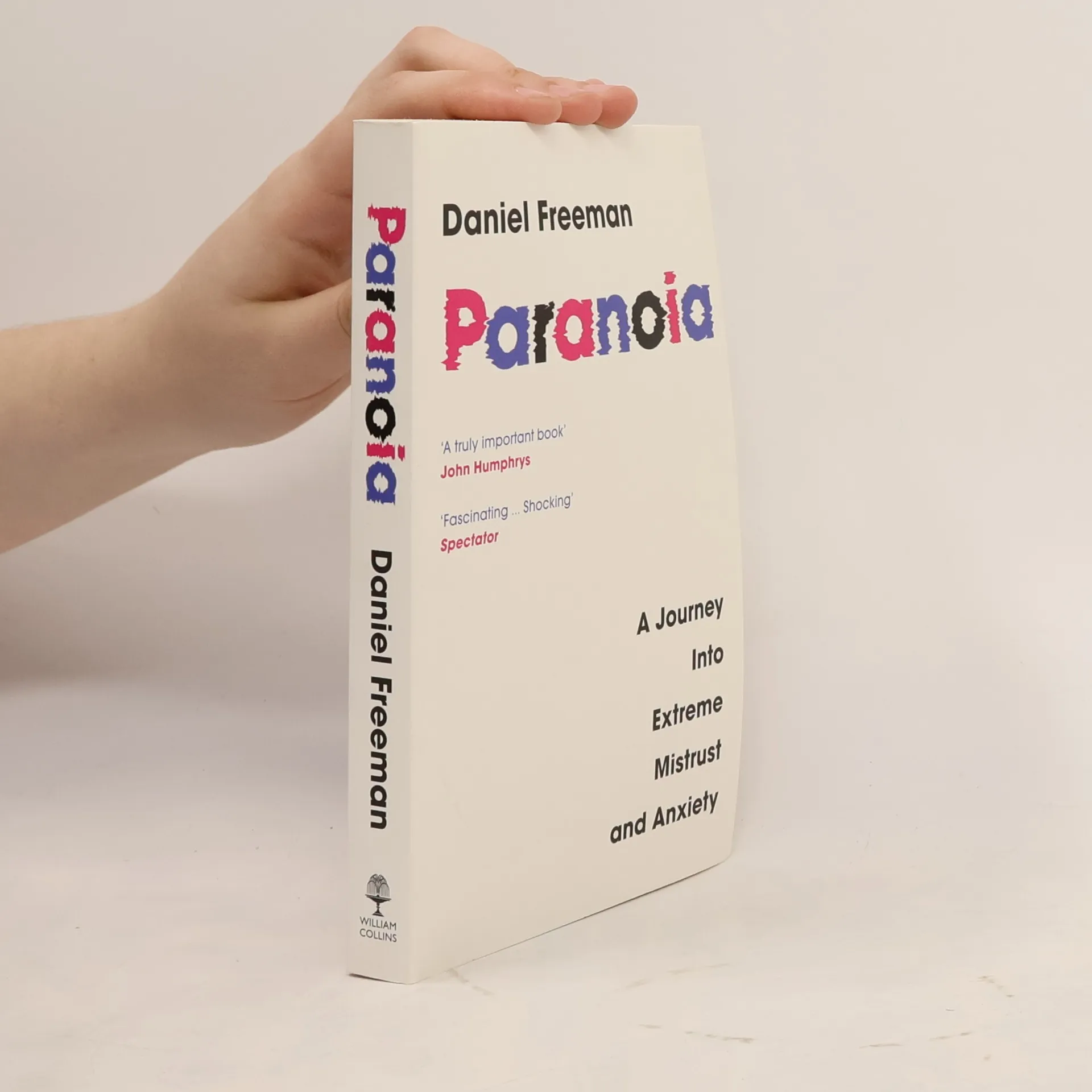
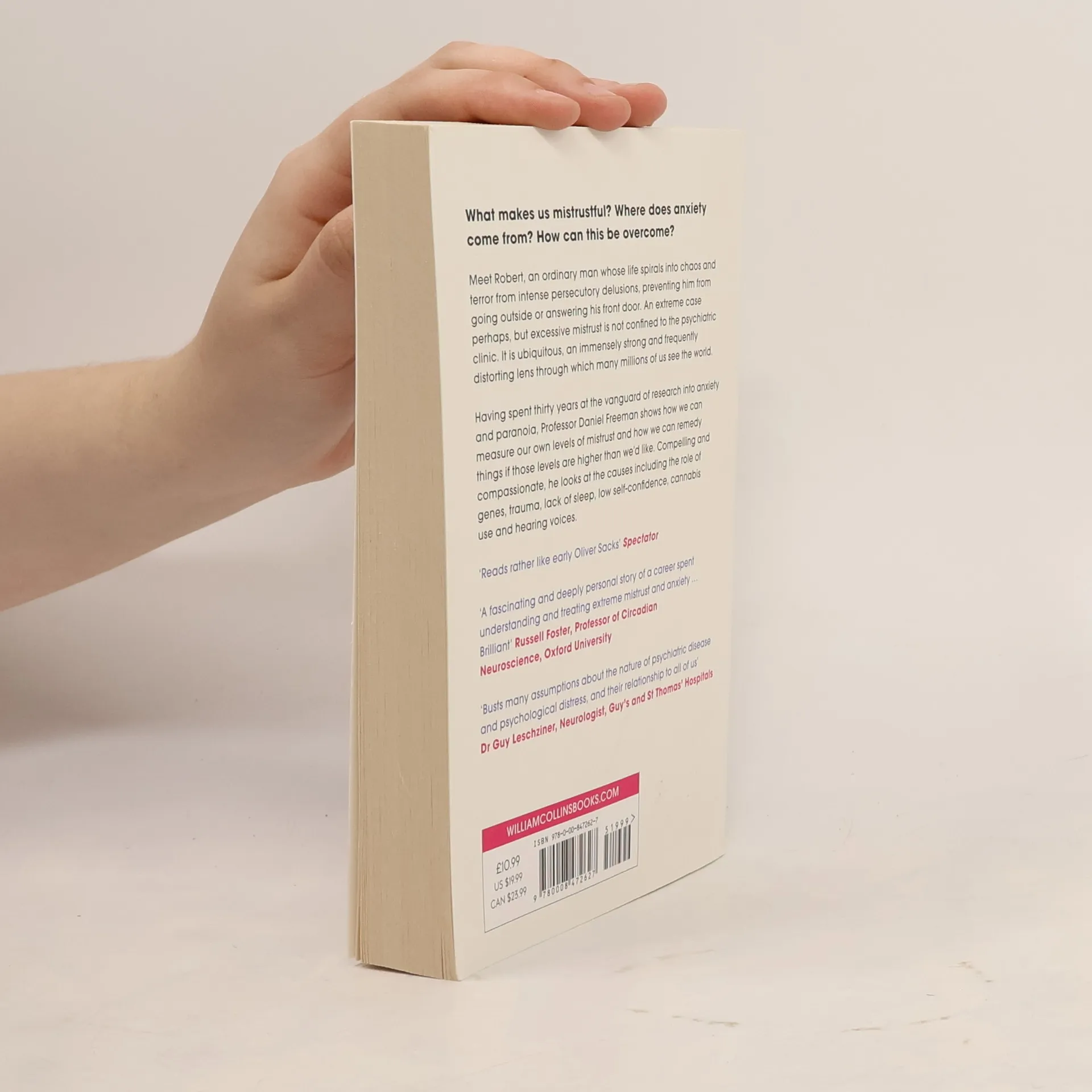
What is paranoia, and what drives our mistrust? Daniel Freeman, an Oxford psychology professor with three decades of experience in paranoia research, explores these questions in a compelling narrative. Traditionally, paranoia was seen as a symptom of severe mental health issues, but Freeman challenges this notion, revealing that paranoia is more widespread than previously thought. He develops innovative treatments for clinical paranoia, often utilizing cutting-edge technology like virtual reality. Freeman uncovers the societal prevalence of suspicion, conspiracy theories, and the emotional factors that often overshadow evidence. He identifies various causes of mistrust, including genetics, trauma, sleep deprivation, anxiety, low self-esteem, cannabis use, and auditory hallucinations, while also addressing the impact of Covid-19 conspiracy theories. Throughout the book, the voices of those whose lives have been devastated by paranoia—and transformed by Freeman’s pioneering treatments—provide poignant insights. This practical guide also offers tools for measuring personal levels of mistrust and suggests methods for improvement, emphasizing that change is possible. Ultimately, this work serves as a powerful call to rebuild trust in our relationships and society, blending compassion with a gripping exploration of the dynamics of suspicion.


Zakup książki
Paranoia, Daniel E. Freeman
- Język

- Rok wydania
- 2025
- Oprawa
- (miękka)
Metody płatności
Brakuje nam tutaj Twojej recenzji.
- Tytuł
- Paranoia
- Podtytuł
- A Journey into Extreme Mistrust and Anxiety
- Język
- angielski
- Autorzy
- Daniel E. Freeman
- Wydawca
- HarperCollins Publishers
- Rok wydania
- 2025
- Oprawa
- miękka
- Liczba stron
- 320
- ISBN13
- 9780008472627
- Seria
- Kategorie
- Ocena
- 4,35 z 5
- Opis
- What is paranoia, and what drives our mistrust? Daniel Freeman, an Oxford psychology professor with three decades of experience in paranoia research, explores these questions in a compelling narrative. Traditionally, paranoia was seen as a symptom of severe mental health issues, but Freeman challenges this notion, revealing that paranoia is more widespread than previously thought. He develops innovative treatments for clinical paranoia, often utilizing cutting-edge technology like virtual reality. Freeman uncovers the societal prevalence of suspicion, conspiracy theories, and the emotional factors that often overshadow evidence. He identifies various causes of mistrust, including genetics, trauma, sleep deprivation, anxiety, low self-esteem, cannabis use, and auditory hallucinations, while also addressing the impact of Covid-19 conspiracy theories. Throughout the book, the voices of those whose lives have been devastated by paranoia—and transformed by Freeman’s pioneering treatments—provide poignant insights. This practical guide also offers tools for measuring personal levels of mistrust and suggests methods for improvement, emphasizing that change is possible. Ultimately, this work serves as a powerful call to rebuild trust in our relationships and society, blending compassion with a gripping exploration of the dynamics of suspicion.