


Więcej o książce
In the spring of 1934, Virginia Woolf crafted a three-page "biographical fantasy" of her friend John Maynard Keynes, listing 25 themes including politics, art, economics, and society. His life, however, encompassed even more. As a young philosopher and economist at Cambridge, Keynes transitioned between government and academia, eagerly joining the Treasury just before World War I to aid the empire. His experiences during the war and the fallout from the Versailles Treaty, particularly the harsh reparations imposed on Germany, shaped his understanding of the potential rise of authoritarianism. This marked the beginning of a career that spanned two world wars and a global depression, where he often found himself challenging prevailing ideas he deemed outdated or harmful. His influential theories reached America and were integral to FDR's New Deal during the Great Depression. Through works like The General Theory, he became a foundational figure in economics. Despite his professional success, Keynes's deepest loyalty was to the writers and artists of the Bloomsbury Group, which he valued above all else. He often supported his friends, including Woolf and Lytton Strachey, financially, while they provided him with inspiration and a moral framework for his vision of society.


Zakup książki
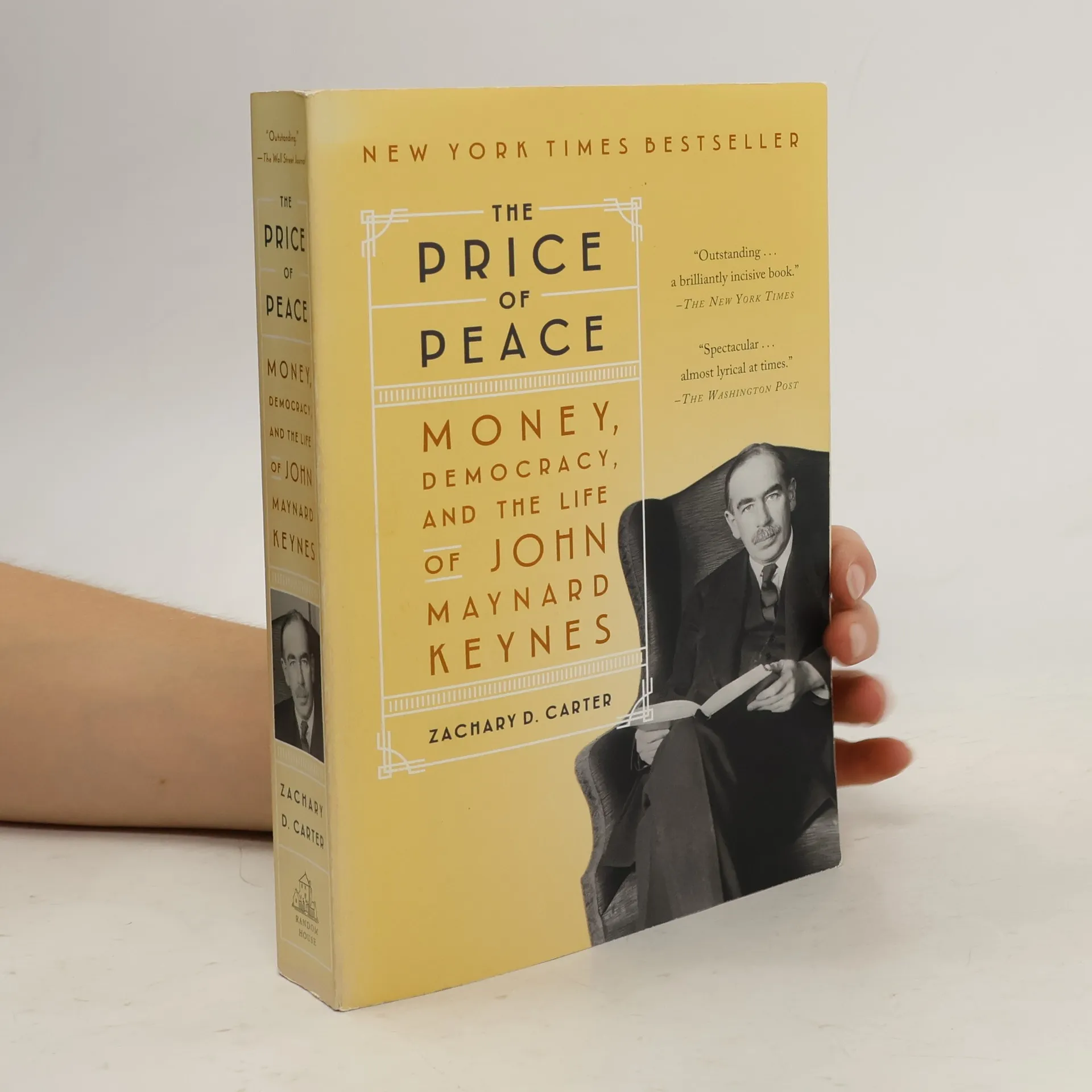
The Price of Peace, Zachary D. Carter
- Język

- Rok wydania
- 2021
- Oprawa
- (miękka)
Metody płatności
Brakuje nam tutaj Twojej recenzji.
- Tytuł
- The Price of Peace
- Język
- angielski
- Autorzy
- Zachary D. Carter
- Rok wydania
- 2021
- Oprawa
- miękka
- Liczba stron
- 656
- ISBN10
- 0525509054
- ISBN13
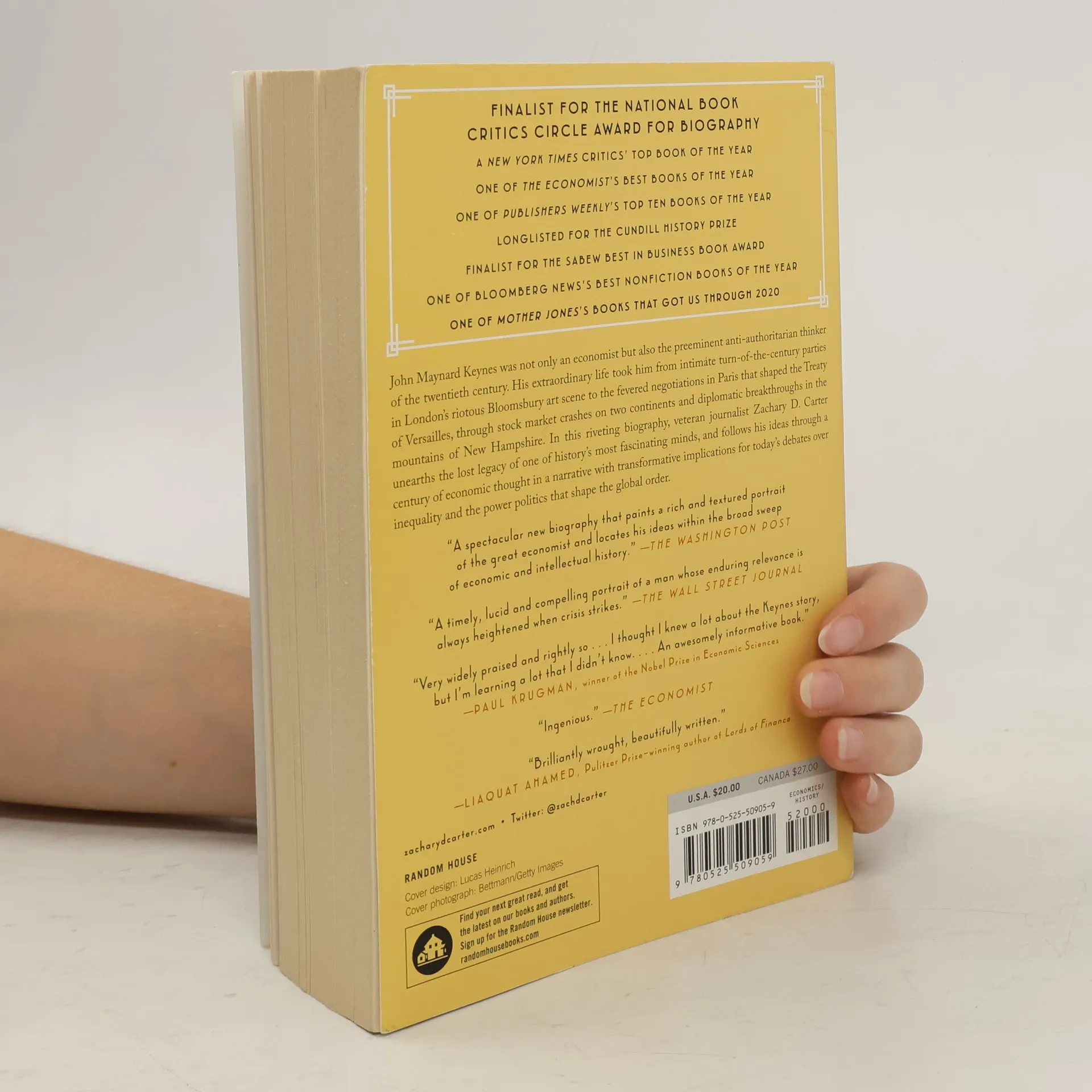
- 9780525509059
- Seria
- Kategorie
- Ocena
- 4,4 z 5
- Opis
- In the spring of 1934, Virginia Woolf crafted a three-page "biographical fantasy" of her friend John Maynard Keynes, listing 25 themes including politics, art, economics, and society. His life, however, encompassed even more. As a young philosopher and economist at Cambridge, Keynes transitioned between government and academia, eagerly joining the Treasury just before World War I to aid the empire. His experiences during the war and the fallout from the Versailles Treaty, particularly the harsh reparations imposed on Germany, shaped his understanding of the potential rise of authoritarianism. This marked the beginning of a career that spanned two world wars and a global depression, where he often found himself challenging prevailing ideas he deemed outdated or harmful. His influential theories reached America and were integral to FDR's New Deal during the Great Depression. Through works like The General Theory, he became a foundational figure in economics. Despite his professional success, Keynes's deepest loyalty was to the writers and artists of the Bloomsbury Group, which he valued above all else. He often supported his friends, including Woolf and Lytton Strachey, financially, while they provided him with inspiration and a moral framework for his vision of society.