


Więcej o książce
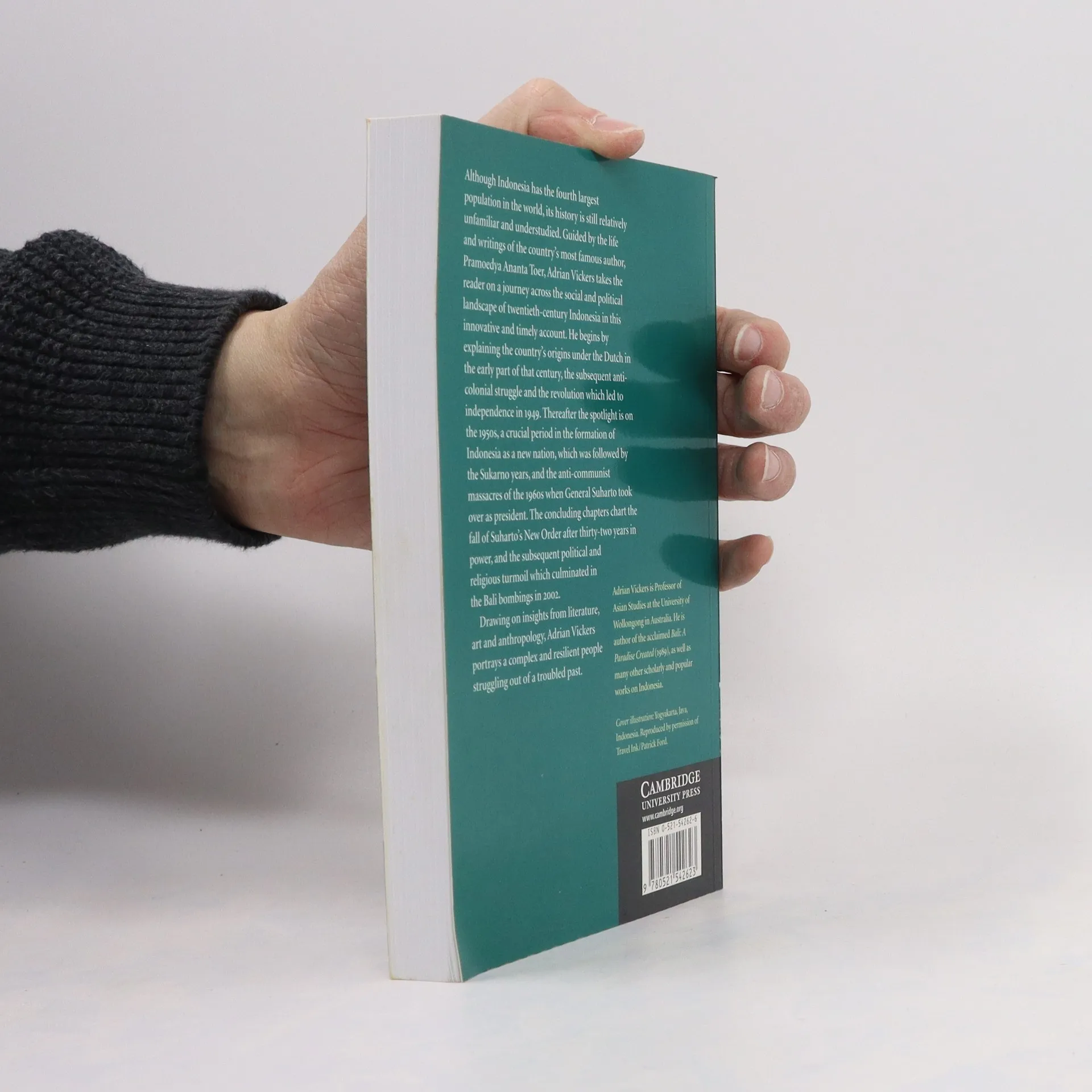
Although Indonesia has the fourth largest population in the world, its history is still relatively unfamiliar and understudied. Guided by the life and writings of the country's most famous author, Pramoedya Ananta Toer, Adrian Vickers takes the reader on a journey across the social and political landscape of twentieth-century Indonesia in this innovative and timely account. He begins by explaining the country's origins under the Dutch in the early part of that century, the subsequent anticolonial struggle and the revolution which led to independence in 1949. Thereafter the spotlight is on the 1950s, a crucial period in the formation of Indonesia as a new nation, which was followed by the Sukarno years, and the anti-communist massacres of the 1960s when General Suharto took over as president. The concluding chapters chart the fall of Suharto's New Order after thirty-two years in power, and the subsequent political and religious turmoil which culminated in the Bali bombings in 2002.Drawing on insights from literature, art and anthropology, Adrian Vickers portrays a complex and resilient people struggling out of a troubled past.


Zakup książki
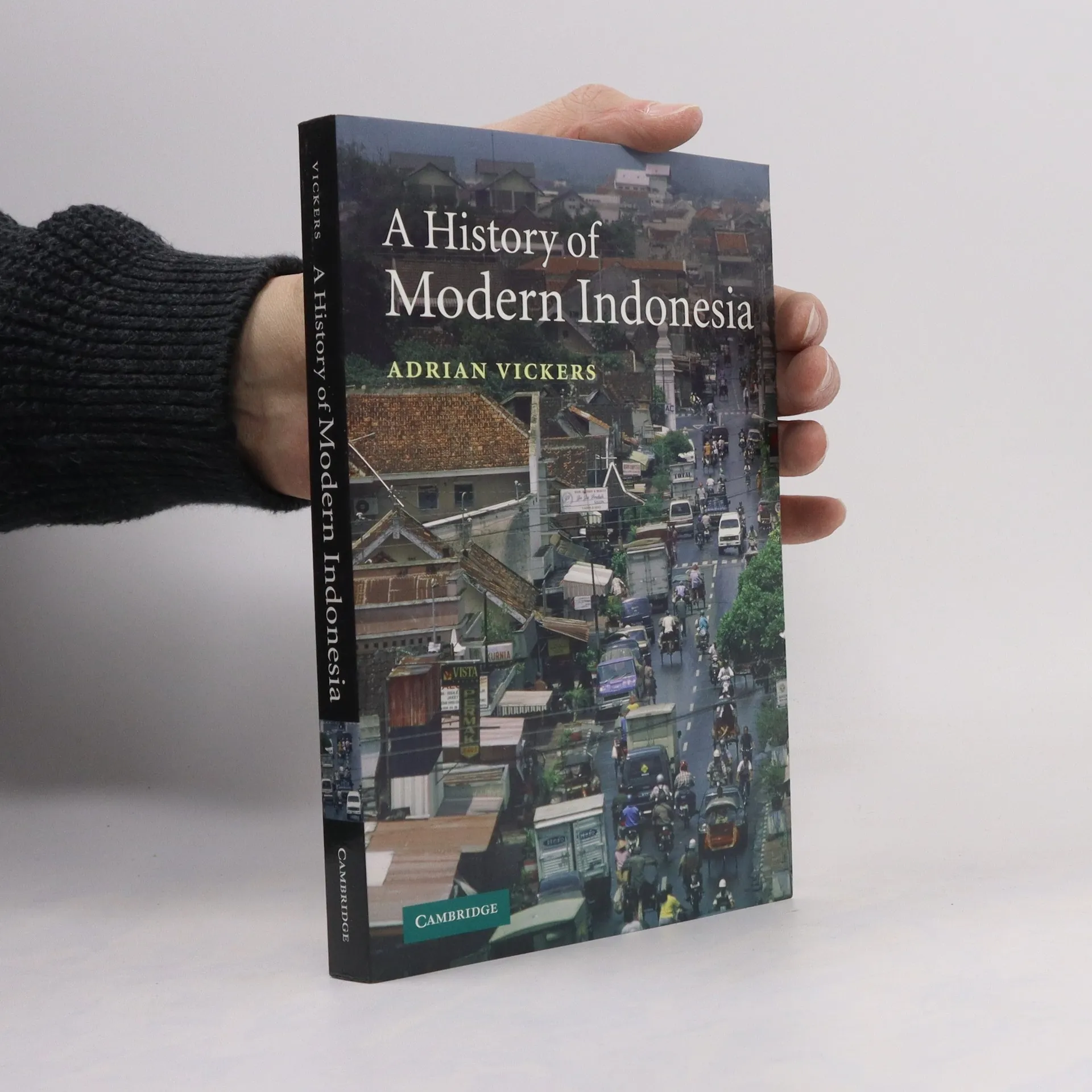
A History of modern Indonesia, Adrian Vickers
- Język

- Rok wydania
- 2005
- Oprawa
- (miękka)
Metody płatności
Brakuje nam tutaj Twojej recenzji.
- Tytuł
- A History of modern Indonesia
- Język
- angielski
- Autorzy
- Adrian Vickers
- Wydawca
- Cambridge University Press
- Rok wydania
- 2005
- Oprawa
- miękka
- Liczba stron
- 306
- ISBN10
- 0521542626
- ISBN13
- 9780521542623
- Seria
- Tagi
- Tematy historyczne, Azja
- Ocena
- 3,95 z 5
- Opis
- Although Indonesia has the fourth largest population in the world, its history is still relatively unfamiliar and understudied. Guided by the life and writings of the country's most famous author, Pramoedya Ananta Toer, Adrian Vickers takes the reader on a journey across the social and political landscape of twentieth-century Indonesia in this innovative and timely account. He begins by explaining the country's origins under the Dutch in the early part of that century, the subsequent anticolonial struggle and the revolution which led to independence in 1949. Thereafter the spotlight is on the 1950s, a crucial period in the formation of Indonesia as a new nation, which was followed by the Sukarno years, and the anti-communist massacres of the 1960s when General Suharto took over as president. The concluding chapters chart the fall of Suharto's New Order after thirty-two years in power, and the subsequent political and religious turmoil which culminated in the Bali bombings in 2002.Drawing on insights from literature, art and anthropology, Adrian Vickers portrays a complex and resilient people struggling out of a troubled past.