

Więcej o książce
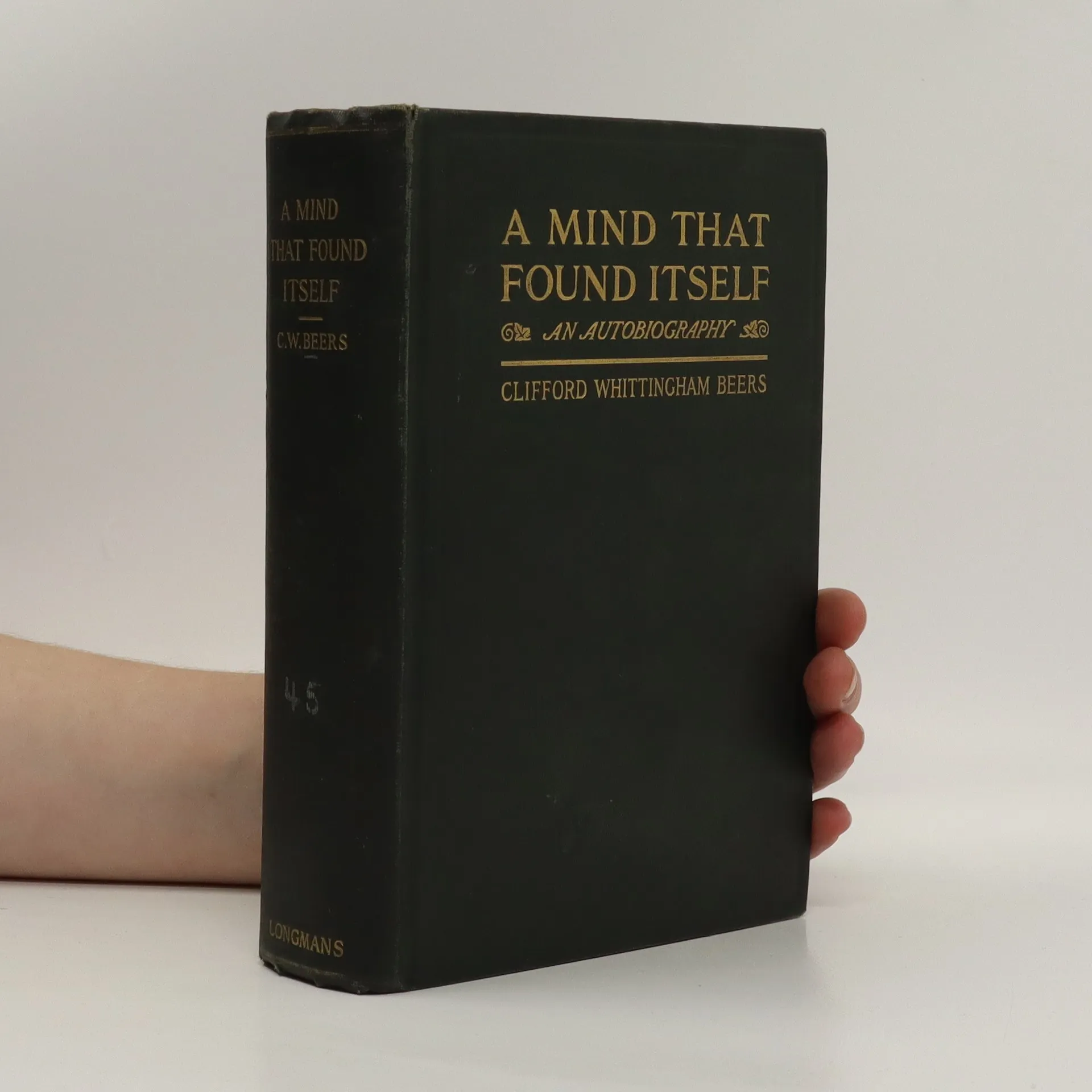
In 1905, after suffering a relapse and spending a few months at The Hartford Retreat, Clifford Whittingham Beers elected to write a book about his experiences living with mental illness and being subject to cruel treatment and physical abuse while being institutionalized. Titled, A Mind That Found Itself, the 1908 autobiography told the story of a young man who had suffered a life full of personal tragedy, leading to feelings of intense anxiety, paranoia and depression. Slowly being engulfed by intrusive thoughts and hallucinations, Beers found himself struggling with suicidal ideation and commitment by his well-intentioned family to a series of mental health institutions, each one seemingly worse than the last. Unique in its presentation of both self-awareness and the difficult reality of working towards recovery; the book paved the way for the American mental hygiene movement and removed the stigma of mental illness among the general public.


Zakup książki
A mind that found itself : an autobiography, Clifford Whittingham Beers
- Język

- Rok wydania
- 1917
Metody płatności
Brakuje nam tutaj Twojej recenzji.
- Tytuł
- A mind that found itself : an autobiography
- Język
- angielski
- Autorzy
- Clifford Whittingham Beers
- Wydawca
- Longmans, Green
- Rok wydania
- 1917
- Seria
- Kategorie
- Ocena
- 4,5 z 5
- Opis
- In 1905, after suffering a relapse and spending a few months at The Hartford Retreat, Clifford Whittingham Beers elected to write a book about his experiences living with mental illness and being subject to cruel treatment and physical abuse while being institutionalized. Titled, A Mind That Found Itself, the 1908 autobiography told the story of a young man who had suffered a life full of personal tragedy, leading to feelings of intense anxiety, paranoia and depression. Slowly being engulfed by intrusive thoughts and hallucinations, Beers found himself struggling with suicidal ideation and commitment by his well-intentioned family to a series of mental health institutions, each one seemingly worse than the last. Unique in its presentation of both self-awareness and the difficult reality of working towards recovery; the book paved the way for the American mental hygiene movement and removed the stigma of mental illness among the general public.