



Więcej o książce
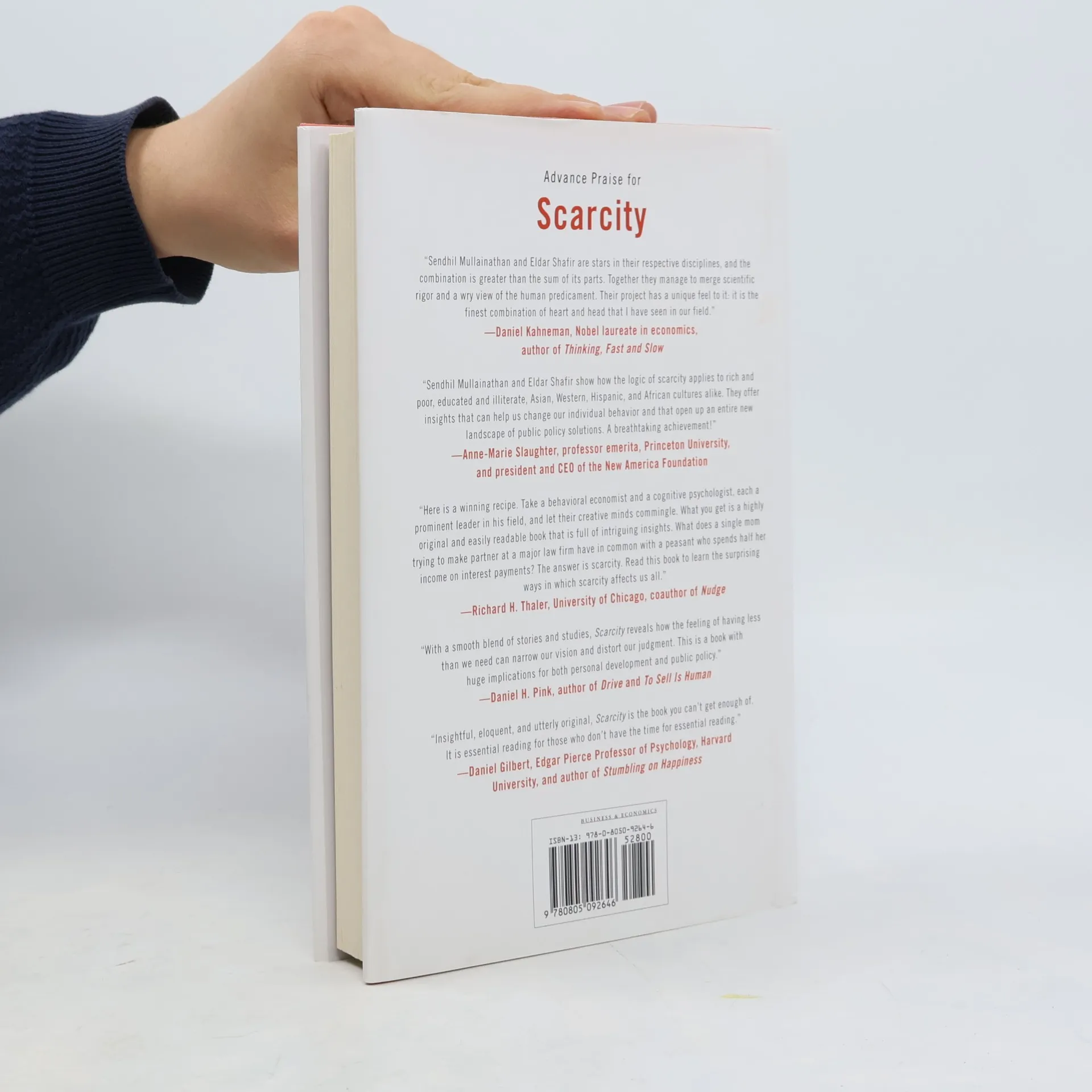
Audiobook: 8 hrs and 47 mins. This examination delves into how scarcity—and our flawed responses to it—shapes our lives and society. It explores questions like why successful people often procrastinate, why poverty endures, and why lonely individuals struggle to connect. These seemingly unrelated issues are linked by a mindset shaped by scarcity. Drawing on behavioral science and economics, the authors illustrate that scarcity creates a shared psychology among those managing with less. For instance, busy individuals mismanage their time similarly to how the financially strained handle their money. This scarcity dynamic explains why dieters struggle with temptation, why students and busy professionals face time management challenges, and why sugarcane farmers exhibit improved decision-making post-harvest. By framing problems through the lens of scarcity, the authors clarify the complexities of modern life. They share personal anecdotes and draw unexpected connections that bring their research to life. The insights provided offer a fresh perspective on why the poor remain impoverished and the busy remain overwhelmed, while also suggesting strategies for individuals and organizations to better navigate scarcity for improved satisfaction and success.



Zakup książki
Scarcity, Sendhil Mullainathan, Eldar Shafir
- Język

- Rok wydania
- 2013
- Oprawa
- (twarda),
- Stan książki
- Dobry
- Cena
- 71,99 zł
Metody płatności
Brakuje nam tutaj Twojej recenzji.
- Tytuł
- Scarcity
- Podtytuł
- Why Having Too Little Means So Much
- Język
- angielski
- Autorzy
- Sendhil Mullainathan, Eldar Shafir
- Wydawca
- Times Books
- Rok wydania
- 2013
- Oprawa
- twarda
- Liczba stron
- 304
- ISBN10
- 0805092641
- ISBN13
- 9780805092646
- Seria
- Kategorie
- Ocena
- 3,9 z 5
- Opis
- Audiobook: 8 hrs and 47 mins. This examination delves into how scarcity—and our flawed responses to it—shapes our lives and society. It explores questions like why successful people often procrastinate, why poverty endures, and why lonely individuals struggle to connect. These seemingly unrelated issues are linked by a mindset shaped by scarcity. Drawing on behavioral science and economics, the authors illustrate that scarcity creates a shared psychology among those managing with less. For instance, busy individuals mismanage their time similarly to how the financially strained handle their money. This scarcity dynamic explains why dieters struggle with temptation, why students and busy professionals face time management challenges, and why sugarcane farmers exhibit improved decision-making post-harvest. By framing problems through the lens of scarcity, the authors clarify the complexities of modern life. They share personal anecdotes and draw unexpected connections that bring their research to life. The insights provided offer a fresh perspective on why the poor remain impoverished and the busy remain overwhelmed, while also suggesting strategies for individuals and organizations to better navigate scarcity for improved satisfaction and success.