

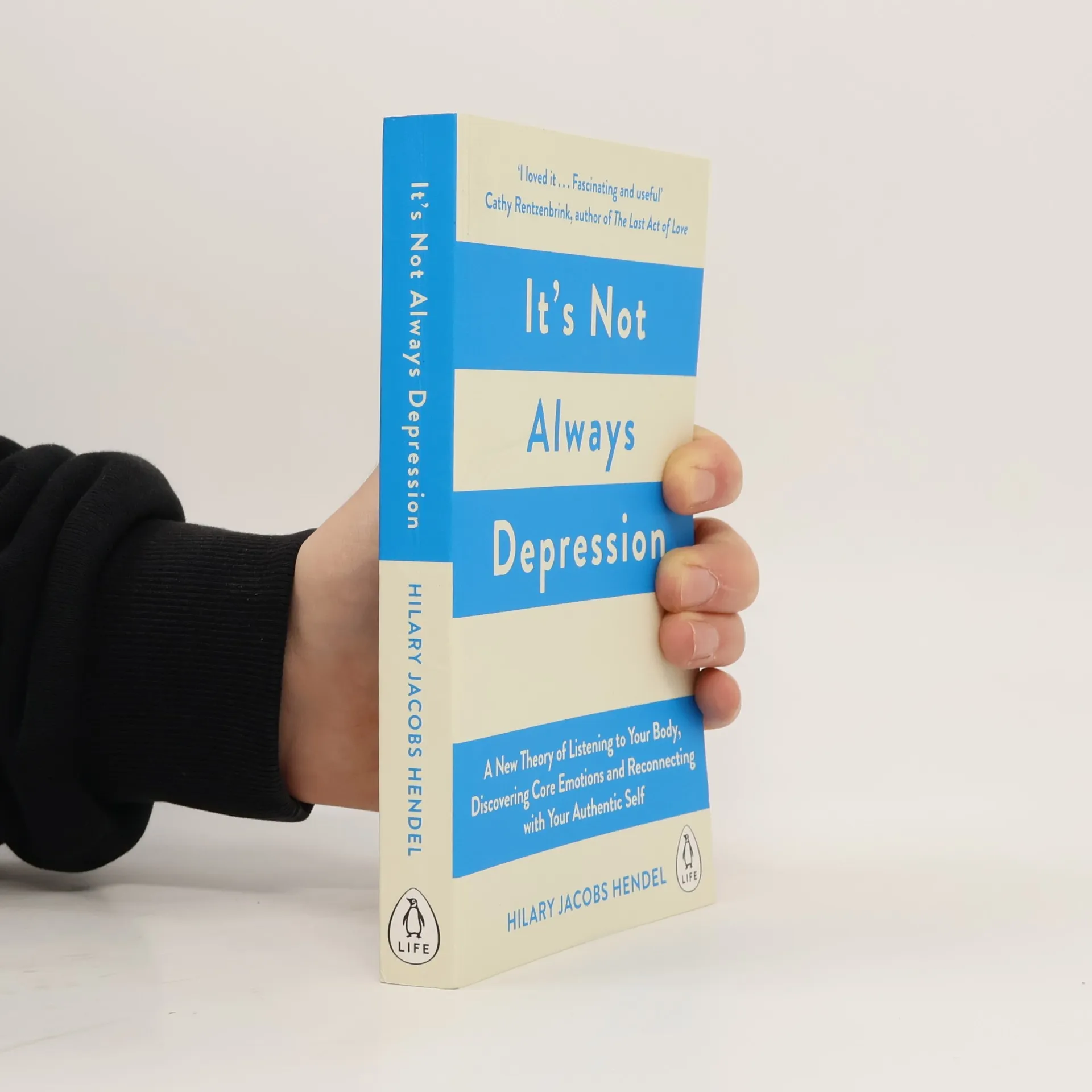
It’s Not Always Depression
A New Theory of Listening to Your Body, Discovering Core Emotions and Reconnecting with Your Authentic Self
Autorzy
Ocena książki
Parametry
Więcej o książce
"The Change Triangle is a map. It's a guide to carry you from a place of disconnection back to your true self. It's a step-by-step process for feeling better. When you work the Change Triangle, you are using a tool that is at the center of Accelerated Experiential Dynamic Psychotherapy (AEDP), an emerging therapeutic method that teaches patients to identify the defenses and inhibitory emotions (shame, disgust, anxiety) that prevent them from being in touch with their core emotions (joy, anger, sadness, fear, and excitement) that lead us to an openhearted state of the authentic self: it's where we are calm, curious, connected, compassionate, confident, courageous, clear. In this book, Jacobs Hendel tells stories of working the Change Triangle with patients and teaches us how to apply these principles to our daily lives"-- Provided by publisher
Wydanie

Zakup książki
It’s Not Always Depression, Hilary Jacobs Hendel
- Język

- Rok wydania
- 2018
- Oprawa
- (miękka)
Metody płatności
Brakuje nam tutaj Twojej recenzji.
- Tytuł
- It’s Not Always Depression
- Podtytuł
- A New Theory of Listening to Your Body, Discovering Core Emotions and Reconnecting with Your Authentic Self
- Język
- angielski
- Autorzy
- Hilary Jacobs Hendel
- Wydawca
- Penguin Life
- Rok wydania
- 2018
- Oprawa
- miękka
- ISBN10
- 0241976405
- ISBN13
- 9780241976401
- Seria
- Ocena
- 4,25 z 5
- Opis
- "The Change Triangle is a map. It's a guide to carry you from a place of disconnection back to your true self. It's a step-by-step process for feeling better. When you work the Change Triangle, you are using a tool that is at the center of Accelerated Experiential Dynamic Psychotherapy (AEDP), an emerging therapeutic method that teaches patients to identify the defenses and inhibitory emotions (shame, disgust, anxiety) that prevent them from being in touch with their core emotions (joy, anger, sadness, fear, and excitement) that lead us to an openhearted state of the authentic self: it's where we are calm, curious, connected, compassionate, confident, courageous, clear. In this book, Jacobs Hendel tells stories of working the Change Triangle with patients and teaches us how to apply these principles to our daily lives"-- Provided by publisher