

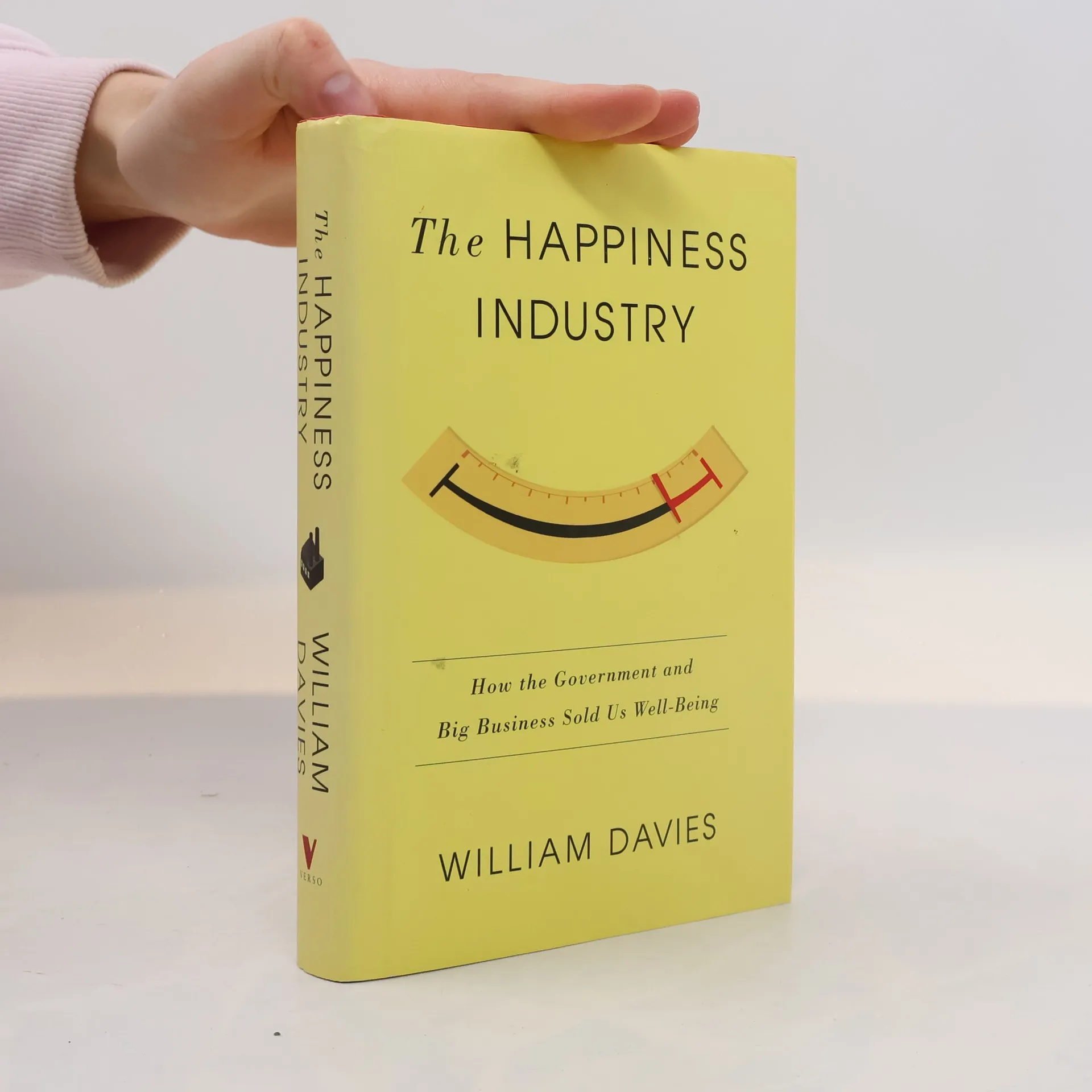


Więcej o książce
When Jeremy Bentham proposed that government should run “for the greatest benefit of the greatest number,” he posed two problems: what is happiness and how can we measure it? With the rise of positive psychology, freakonimics, behavioural economics, endless TED talks, the happiness manifesto, the Happiness Index, the tyranny of customer service, the emergence of the quantified self movement, we have become a culture obsessed with measuring our supposed satisfaction. In anecdotes that include the Buddhist monk who lectured the business leaders of the world at Davos, why the Nike Fuel band makes us more worried about our fitness, how parts of our city are being rebuilt in response to scientific studies of oxytocin levels in our brain, and what a survey from Radisson hotels—that proves that 62% of us believe that well-being is a luxury worth more than work or a good relationship—really tells us about the way we measure ourselves, and continually find ourselves wanting. The pursuit of happiness only makes us sad—and the rise in depression and anxiety proves it.


Zakup książki
The Happiness Industry, William Davies
- Język

- Rok wydania
- 2015
- Oprawa
- (twarda)
Metody płatności
Brakuje nam tutaj Twojej recenzji.
- Tytuł
- The Happiness Industry
- Podtytuł
- How the Government and Big Business Sold Us Well-Being
- Język
- angielski
- Autorzy
- William Davies
- Wydawca
- Verso Books
- Rok wydania
- 2015
- Oprawa
- twarda
- Liczba stron
- 314
- ISBN10
- 1781688451
- ISBN13
- 9781781688458
- Seria
- Kategorie
- Ocena
- 3,65 z 5
- Opis
- When Jeremy Bentham proposed that government should run “for the greatest benefit of the greatest number,” he posed two problems: what is happiness and how can we measure it? With the rise of positive psychology, freakonimics, behavioural economics, endless TED talks, the happiness manifesto, the Happiness Index, the tyranny of customer service, the emergence of the quantified self movement, we have become a culture obsessed with measuring our supposed satisfaction. In anecdotes that include the Buddhist monk who lectured the business leaders of the world at Davos, why the Nike Fuel band makes us more worried about our fitness, how parts of our city are being rebuilt in response to scientific studies of oxytocin levels in our brain, and what a survey from Radisson hotels—that proves that 62% of us believe that well-being is a luxury worth more than work or a good relationship—really tells us about the way we measure ourselves, and continually find ourselves wanting. The pursuit of happiness only makes us sad—and the rise in depression and anxiety proves it.