



Więcej o książce
Building the Internet was a collective achievement of many engineers and scientists, but the World Wide Web stands out as the brainchild of a single individual, Tim Berners-Lee. He envisioned a global universe of linked documents and developed the first browser and server programs, along with the essential protocols and acronyms (HTTP, URL, HTML, WWW) that shape our daily lives. Despite his monumental contribution, Berners-Lee has remained modest about his journey. This book offers a definitive account of the Web's creation, told directly from the source. The first 90 pages detail Berners-Lee's ingenuity, persistence, and vision, presenting a compelling narrative about civic values. He could have amassed immense wealth through the Intellectual Property Rights of the Web but chose to keep it free for everyone. The subsequent 130 pages describe his commitment to the public domain through the establishment of the World Wide Web Consortium, aimed at preventing corporate monopolization. Throughout, Berners-Lee challenges the notion of the Web as merely a business tool, emphasizing its potential to encapsulate human knowledge and understanding. This work stands as a powerful testament to his vision.



Zakup książki
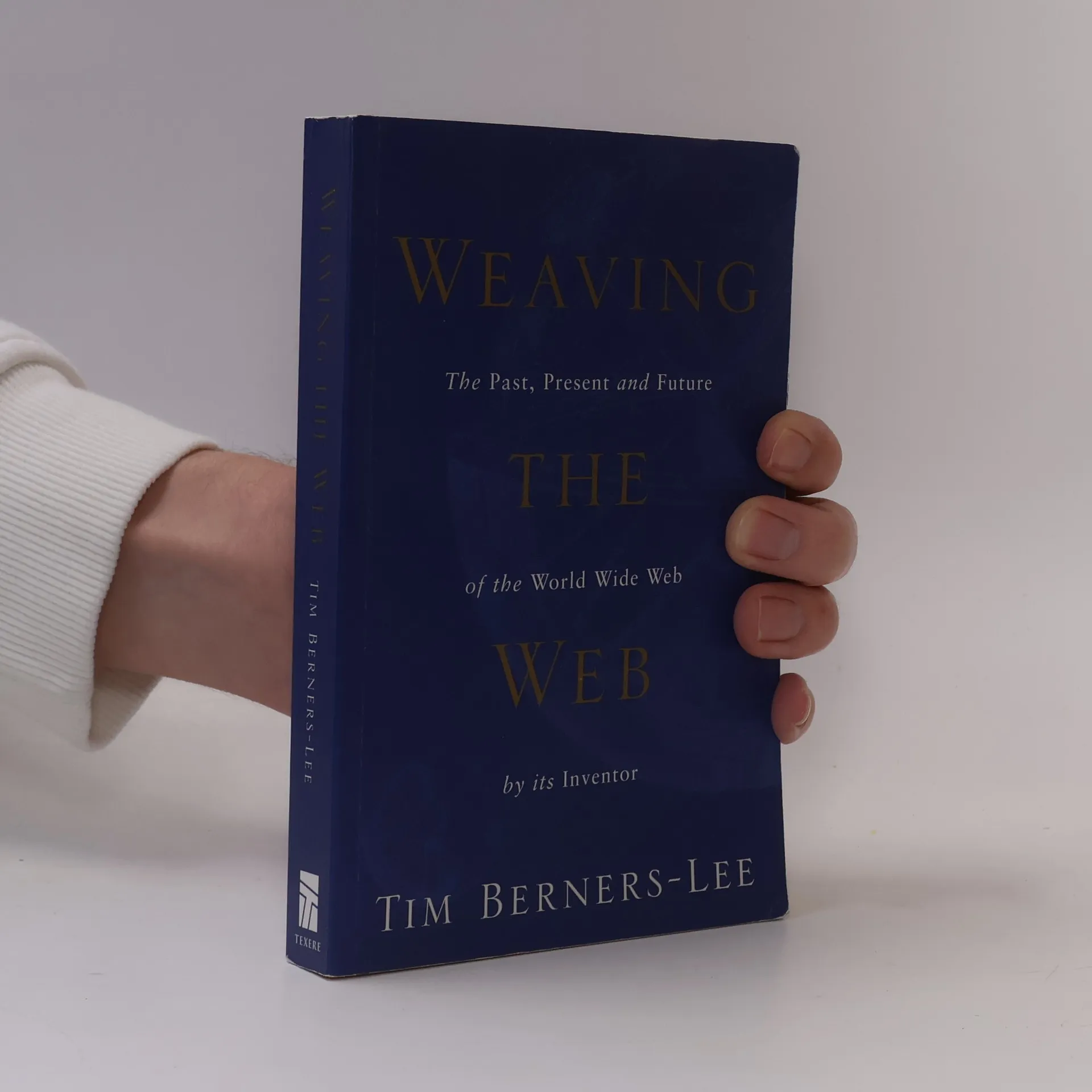
Weaving the Web, Tim Berners-Lee, Mark Fischetti
- Język

- Rok wydania
- 2000
- Oprawa
- (miękka)
Metody płatności
Brakuje nam tutaj Twojej recenzji.
- Tytuł
- Weaving the Web
- Podtytuł
- The Past, Present and Future of the World Wide Web by Its Inventor
- Język
- angielski
- Autorzy
- Tim Berners-Lee, Mark Fischetti
- Wydawca
- Texere Publishing
- Rok wydania
- 2000
- Oprawa
- miękka
- Liczba stron
- 272
- ISBN10
- 1587990180
- ISBN13
- 9781587990182
- Seria
- Kategorie
- Oryginalna nazwa
- Weaving the web
- Ocena
- 3,95 z 5
- Opis
- Building the Internet was a collective achievement of many engineers and scientists, but the World Wide Web stands out as the brainchild of a single individual, Tim Berners-Lee. He envisioned a global universe of linked documents and developed the first browser and server programs, along with the essential protocols and acronyms (HTTP, URL, HTML, WWW) that shape our daily lives. Despite his monumental contribution, Berners-Lee has remained modest about his journey. This book offers a definitive account of the Web's creation, told directly from the source. The first 90 pages detail Berners-Lee's ingenuity, persistence, and vision, presenting a compelling narrative about civic values. He could have amassed immense wealth through the Intellectual Property Rights of the Web but chose to keep it free for everyone. The subsequent 130 pages describe his commitment to the public domain through the establishment of the World Wide Web Consortium, aimed at preventing corporate monopolization. Throughout, Berners-Lee challenges the notion of the Web as merely a business tool, emphasizing its potential to encapsulate human knowledge and understanding. This work stands as a powerful testament to his vision.