

Więcej o książce
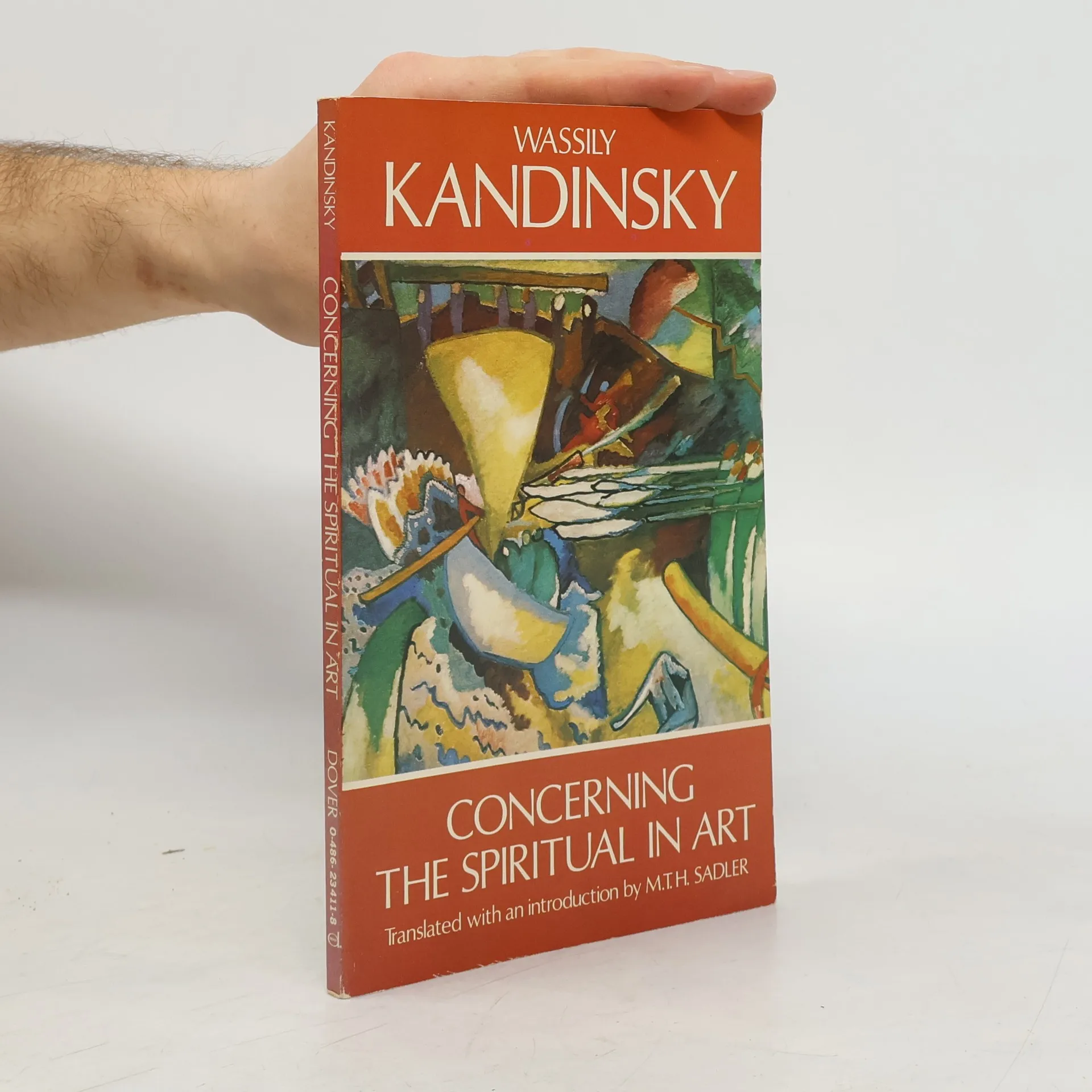
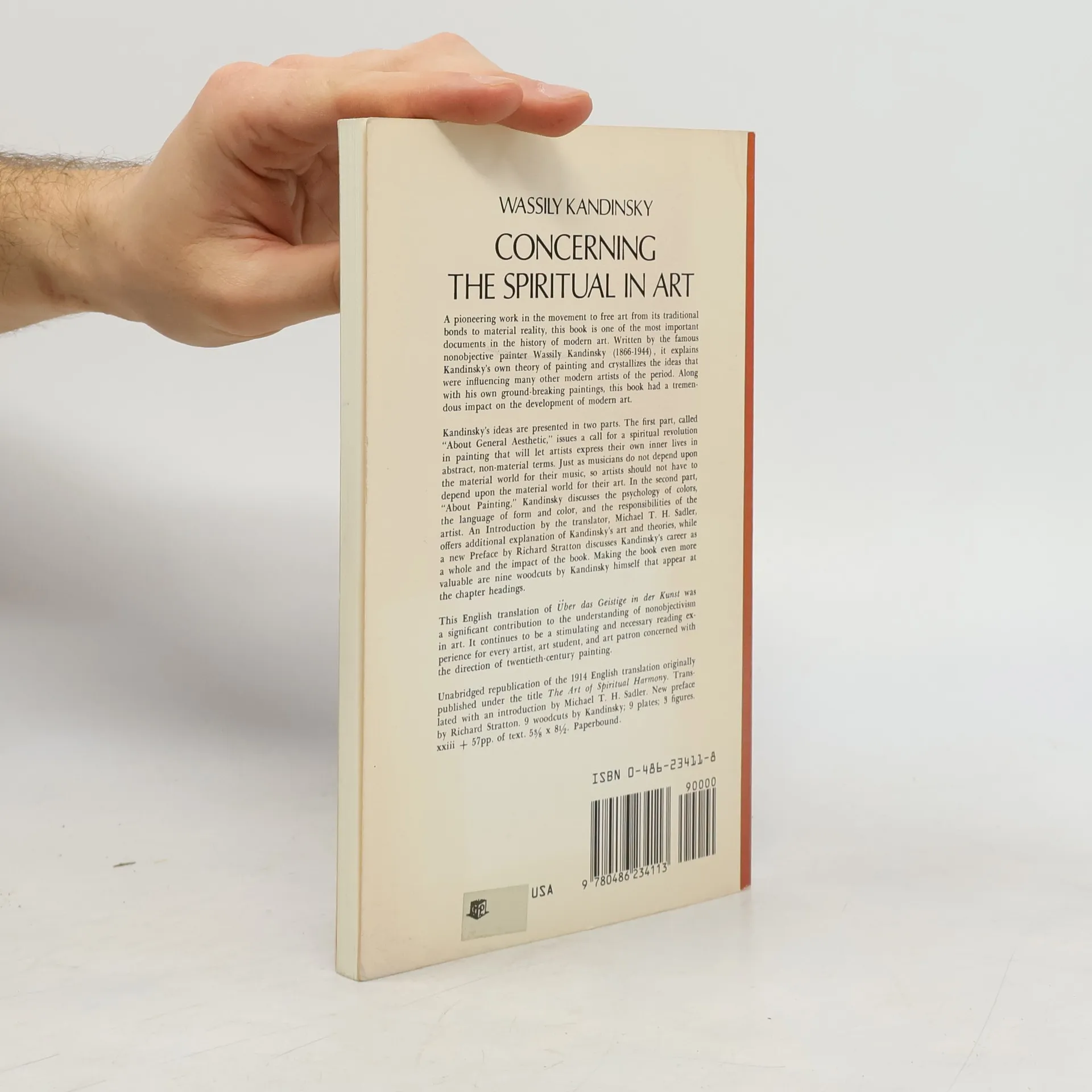
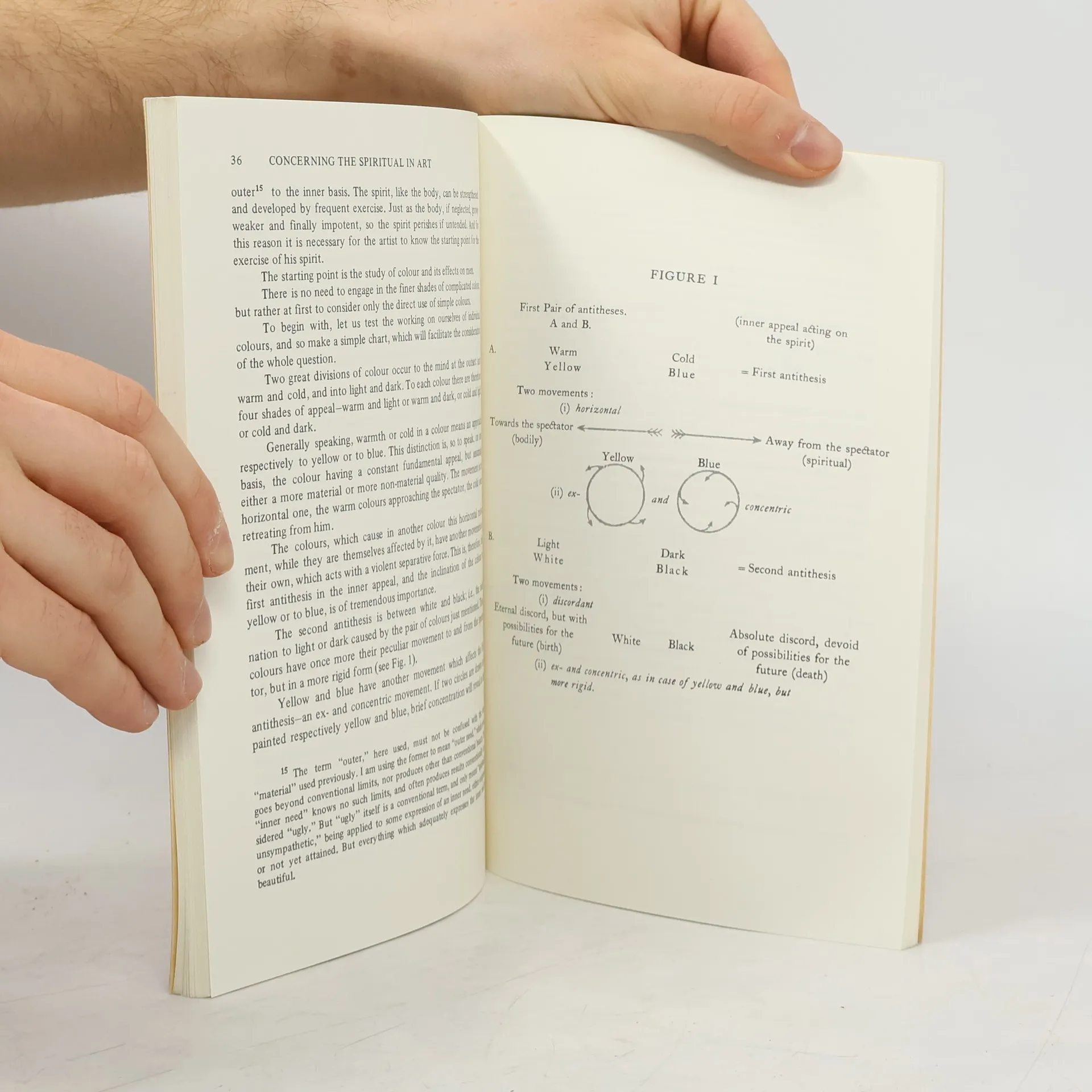
A pioneering work in the movement to free art from its traditional bonds to material reality, this book is one of the most important documents in the history of modern art. Written by the famous nonobjective painter Wassily Kandinsky (1866-1944), it explains Kandinsky's own theory of painting and crystallizes the ideas that were influencing many other modern artists of the period. Along with his own ground-breaking paintings, this book had a tremendous impact on the development of modern art. The first part issues a call for a spiritual revolution in painting that will let artists express their own inner lives in abstract, non-material terms. Just as musicians do not depend upon the material world for their music, so artists should not have to depend upon the material world for their art. In the second part, Kandinsky discusses the psychology of colors, the language of form and color, and the responsibilities of the artist. An Introduction by the translator offers additional explanation of Kandinsky's art and theories.--From publisher description





Zakup książki
Concerning the Spiritual in Art, Wassily Kandinsky
- Język

- Rok wydania
- 1977
- Oprawa
- (miękka)
Metody płatności
Brakuje nam tutaj Twojej recenzji.
- Tytuł
- Concerning the Spiritual in Art
- Język
- angielski
- Autorzy
- Wassily Kandinsky
- Wydawca
- Dover Publications Inc.
- Rok wydania
- 1977
- Oprawa
- miękka
- ISBN10
- 0486234118
- ISBN13
- 9780486234113
- Seria
- Kategorie
- Tagi
- Sztuki piękne, Literatura czeska, Tematy religijne, Tematyka filozoficzna, Sztuka, Duchowość, Historia sztuki, Filmowa adaptacja, Sztuka Nowoczesna, Modernizm, Zwierzęta (dla dzieci), Teoria sztuki, Abstrakcja
- Oryginalna nazwa
- Uber das Geistige in der Kunst
- Ocena
- 3,85 z 5
- Opis
- A pioneering work in the movement to free art from its traditional bonds to material reality, this book is one of the most important documents in the history of modern art. Written by the famous nonobjective painter Wassily Kandinsky (1866-1944), it explains Kandinsky's own theory of painting and crystallizes the ideas that were influencing many other modern artists of the period. Along with his own ground-breaking paintings, this book had a tremendous impact on the development of modern art. The first part issues a call for a spiritual revolution in painting that will let artists express their own inner lives in abstract, non-material terms. Just as musicians do not depend upon the material world for their music, so artists should not have to depend upon the material world for their art. In the second part, Kandinsky discusses the psychology of colors, the language of form and color, and the responsibilities of the artist. An Introduction by the translator offers additional explanation of Kandinsky's art and theories.--From publisher description