

Parametry
Więcej o książce
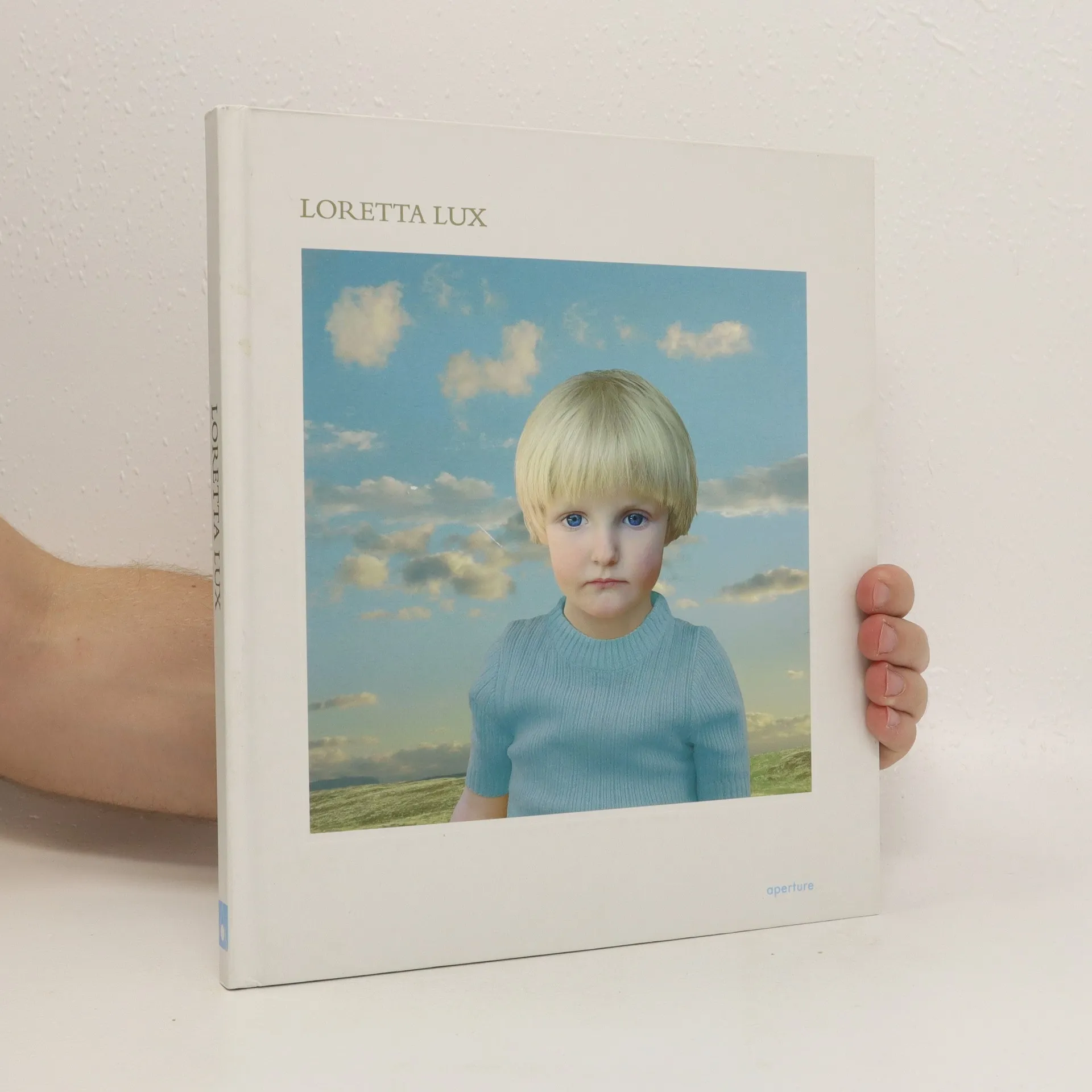
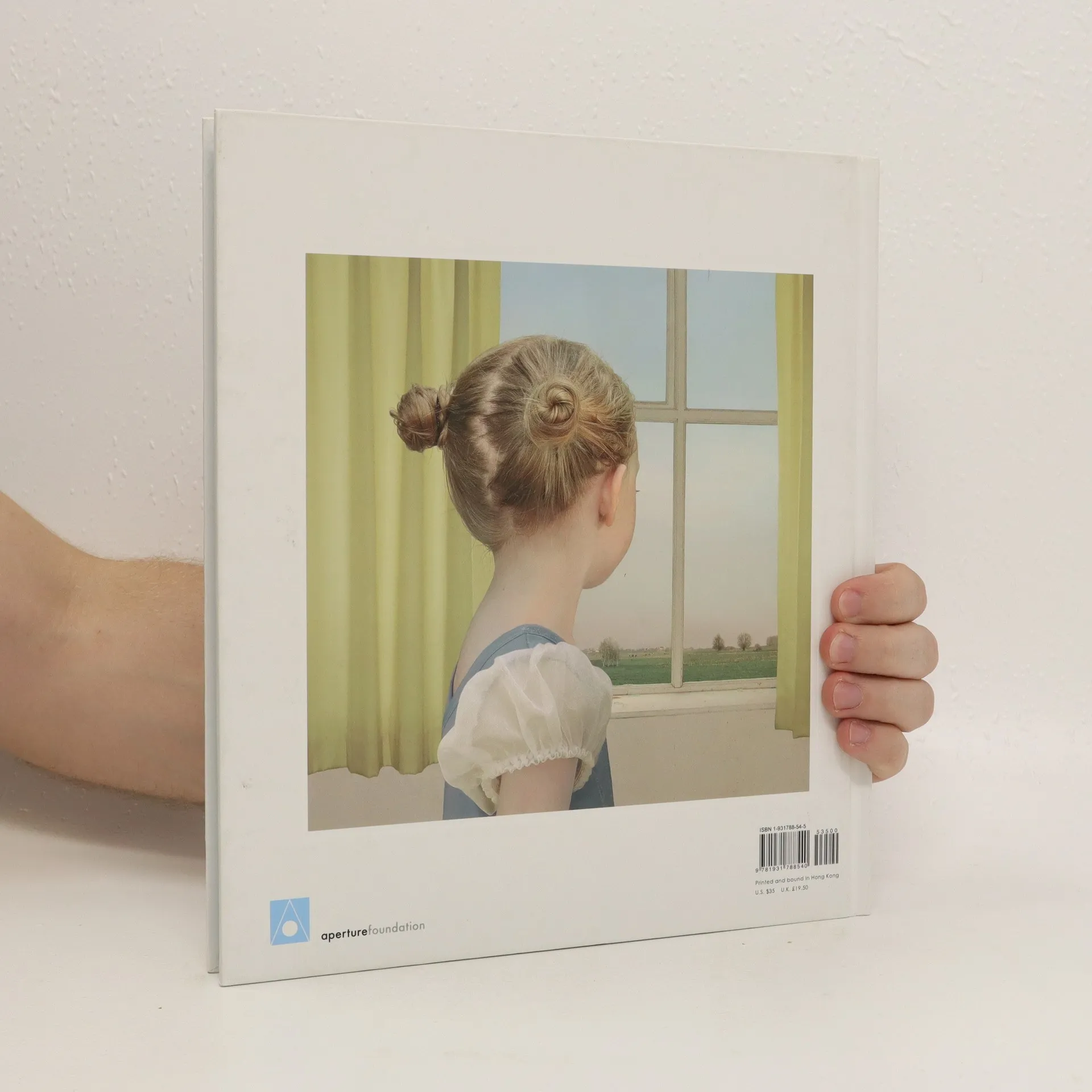
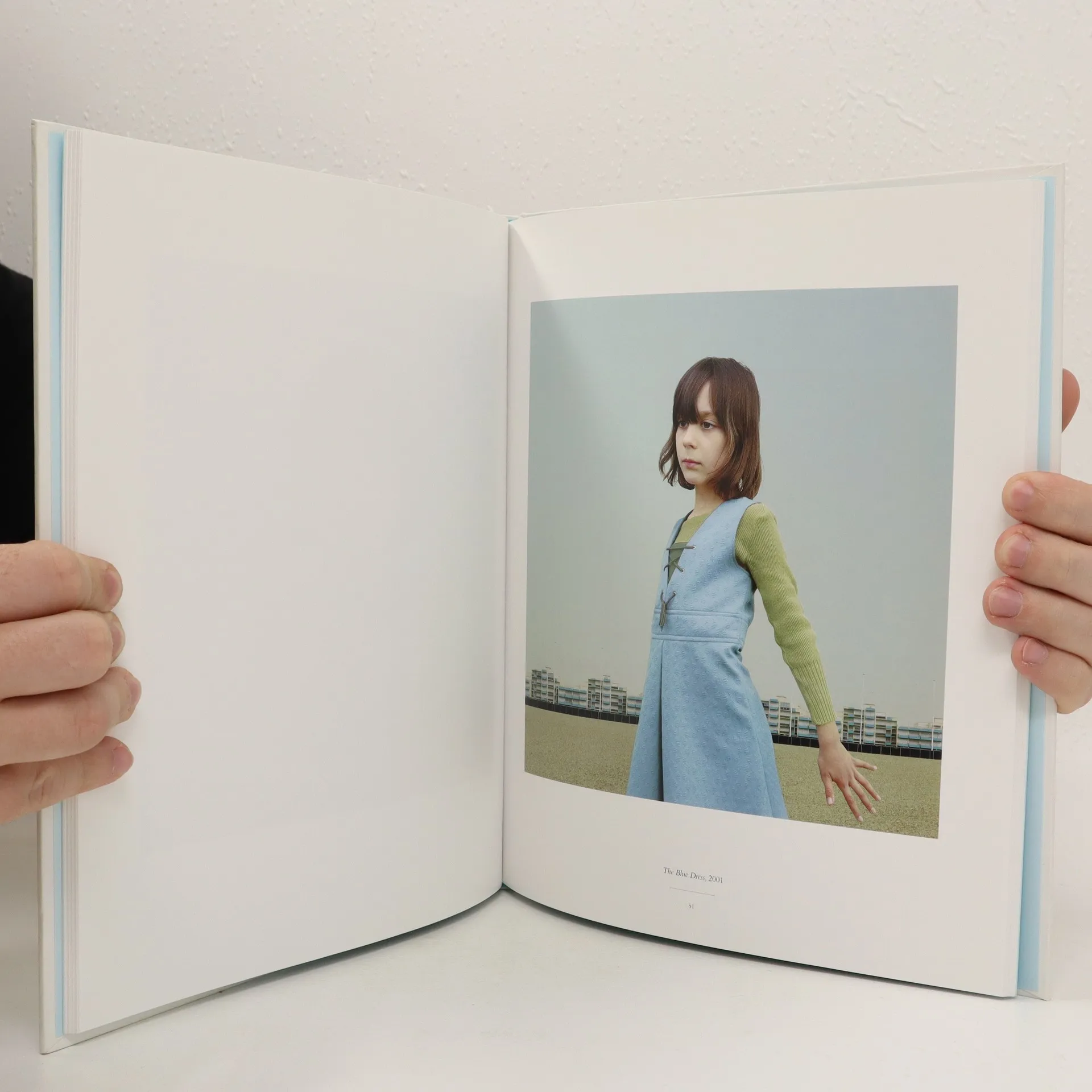
Though the sense of realism in German photographer Loretta Lux's striking portraits of children remains eerily intact, Lux does not strive to create faithful photographic representations of her young subjects. Instead, each image--invariably comprised of a lone child in a sparse landscape--is painstakingly composed and manipulated to create psychically charged explorations of the nature of childhood and the process of self-discovery. Originally trained as a painter, Lux continues to draw influence from paintings by old masters such as Velasquez, Goya and Runge. This influence is especially apparent in Lux's compositions. After carefully choosing the models, costumes and backdrops--sometimes using her own paintings--she digitally combines and enhances each element to form meticulously structured tableaux. The consistently forlorn expressions of her models combined with the hyperreality of the image create portraits that transcend their subjects and remind us that childhood is as chaotic and multidimensional as any other part of life.

Zakup książki
Loretta Lux, Loretta Lux, Francine Prose
- Język

- Rok wydania
- 2005
- Oprawa
- (twarda)
Metody płatności
Brakuje nam tutaj Twojej recenzji.
- Tytuł
- Loretta Lux
- Język
- angielski
- Autorzy
- Loretta Lux, Francine Prose
- Wydawca
- Aperture
- Rok wydania
- 2005
- Oprawa
- twarda
- ISBN10
- 1931788545
- ISBN13
- 9781931788540
- Seria
- Tagi
- Sztuka
- Ocena
- 4,2 z 5
- Opis
- Though the sense of realism in German photographer Loretta Lux's striking portraits of children remains eerily intact, Lux does not strive to create faithful photographic representations of her young subjects. Instead, each image--invariably comprised of a lone child in a sparse landscape--is painstakingly composed and manipulated to create psychically charged explorations of the nature of childhood and the process of self-discovery. Originally trained as a painter, Lux continues to draw influence from paintings by old masters such as Velasquez, Goya and Runge. This influence is especially apparent in Lux's compositions. After carefully choosing the models, costumes and backdrops--sometimes using her own paintings--she digitally combines and enhances each element to form meticulously structured tableaux. The consistently forlorn expressions of her models combined with the hyperreality of the image create portraits that transcend their subjects and remind us that childhood is as chaotic and multidimensional as any other part of life.