

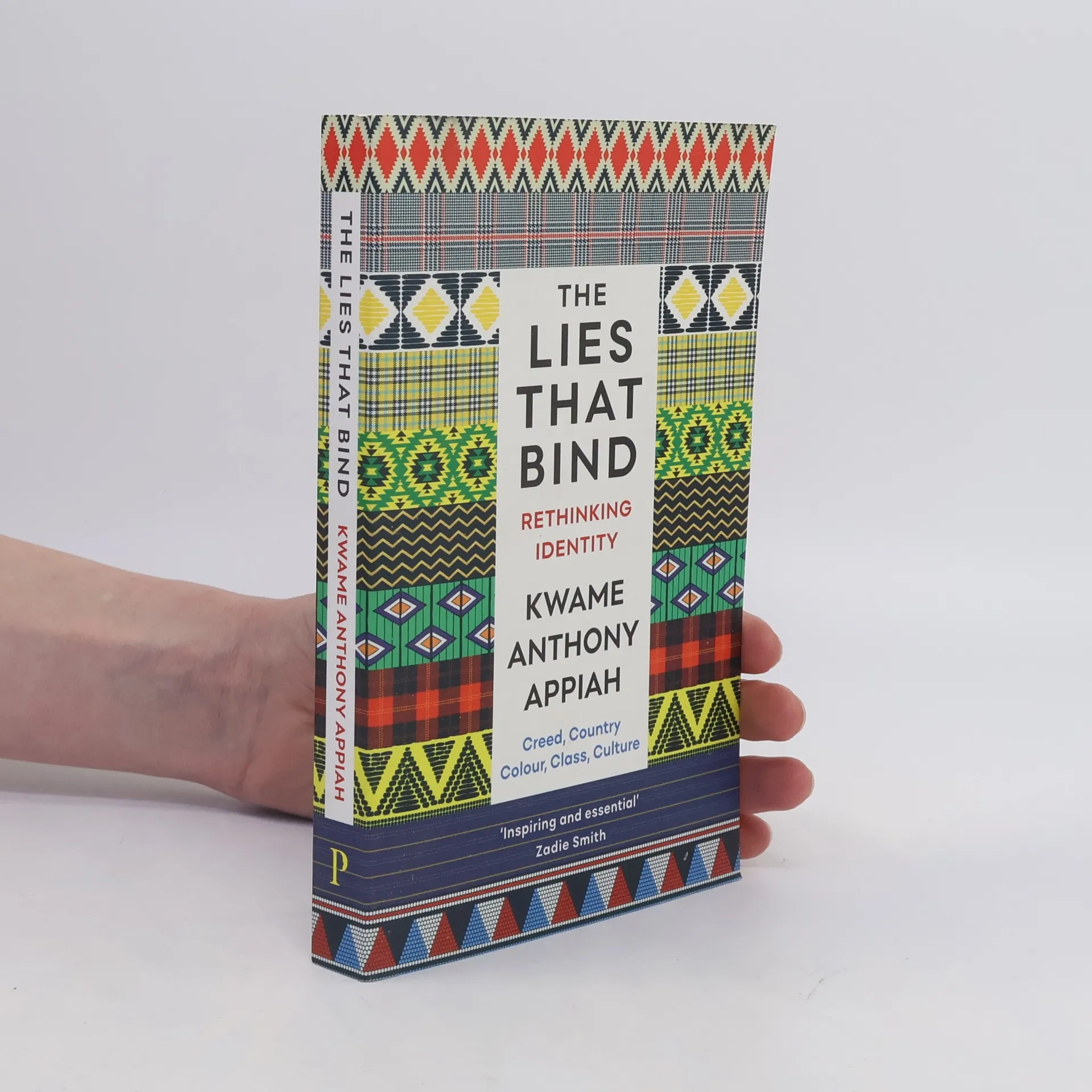
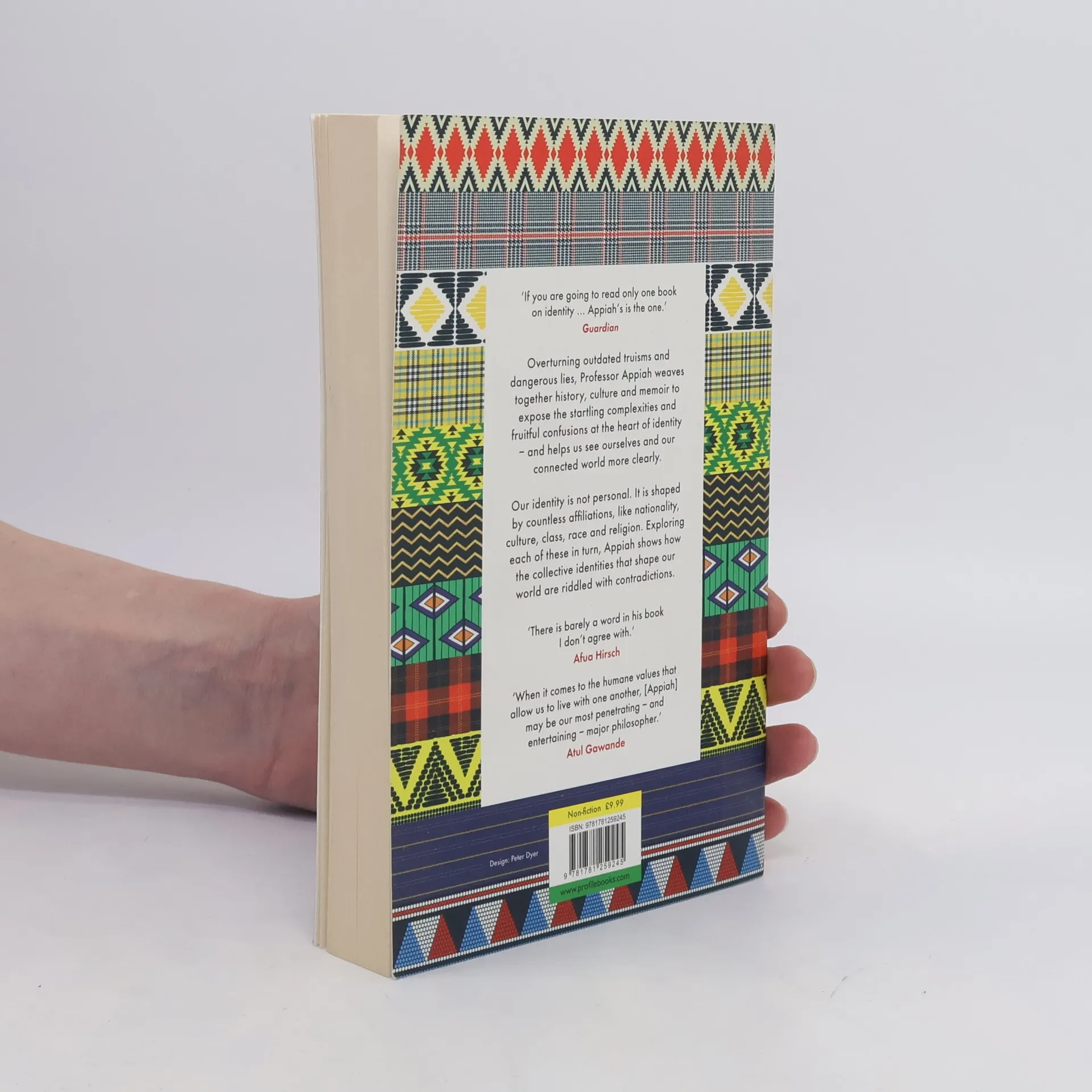
Parametry
- 272 strony
- 10 godzin czytania
Więcej o książce
We often think identity is personal. But the identities that shape the world, our struggles, and our hopes, are social ones, shared with countless others. Our sense of self is shaped by our family, but also by affiliations that spread out from there, like our nationality, culture, class, race and religion.Taking these broad categories as a starting point, Professor Appiah challenges our assumptions about how identity works. In eloquent and lively chapters, he weaves personal anecdote with historical, cultural and literary example to explore the entanglements within the stories we tell ourselves. We all know there are conflicts among identities; but Professor Appiah explores how identities are created by conflict. Identities are then crafted from confusions - confusions this book aims to help us sort through. Religion, Appiah shows us, isn't primarily about beliefs. The idea of national self-determination is incoherent. Our everyday racial thinking is an artefact of discarded science. Class is not a matter of upper and lower. And the very idea of Western culture is a misleading myth. We will see our situation more clearly if we start to question these mistaken identities. This is radical new thinking from a master in the subject and will change forever the way we think about ourselves and our communities.

Zakup książki
The Lies That Bind, Kwame Anthony Appiah
- Język

- Rok wydania
- 2019
- Oprawa
- (miękka)
Metody płatności
Brakuje nam tutaj Twojej recenzji.
- Tytuł
- The Lies That Bind
- Język
- angielski
- Autorzy
- Kwame Anthony Appiah
- Wydawca
- Profile Books
- Rok wydania
- 2019
- Oprawa
- miękka
- Liczba stron
- 272
- ISBN10
- 1781259240
- ISBN13
- 9781781259245
- Seria
- Kategorie
- Tagi
- Tematy historyczne, Tematyka psychologiczna, Tematyka filozoficzna, Polityka, Prezenty dla dziadka, Rasa & Rasizm, Tożsamość
- Ocena
- 3,75 z 5
- Opis
- We often think identity is personal. But the identities that shape the world, our struggles, and our hopes, are social ones, shared with countless others. Our sense of self is shaped by our family, but also by affiliations that spread out from there, like our nationality, culture, class, race and religion.Taking these broad categories as a starting point, Professor Appiah challenges our assumptions about how identity works. In eloquent and lively chapters, he weaves personal anecdote with historical, cultural and literary example to explore the entanglements within the stories we tell ourselves. We all know there are conflicts among identities; but Professor Appiah explores how identities are created by conflict. Identities are then crafted from confusions - confusions this book aims to help us sort through. Religion, Appiah shows us, isn't primarily about beliefs. The idea of national self-determination is incoherent. Our everyday racial thinking is an artefact of discarded science. Class is not a matter of upper and lower. And the very idea of Western culture is a misleading myth. We will see our situation more clearly if we start to question these mistaken identities. This is radical new thinking from a master in the subject and will change forever the way we think about ourselves and our communities.