



Więcej o książce
This work presents a transformative perspective on data science and ethics through the lens of intersectional feminism. While data science wields power to reveal injustices and enhance health outcomes, it can also perpetuate discrimination and surveillance. This duality prompts critical questions: Who practices data science? For whom is it conducted? Whose interests are prioritized? The prevailing narratives surrounding big data are predominantly shaped by white, male, and techno-heroic viewpoints. The authors, Catherine D'Ignazio and Lauren Klein, advocate for a reimagined approach to data science and ethics, drawing from feminist thought. They illustrate how challenging traditional gender binaries can also disrupt flawed hierarchical classification systems. Their insights include how understanding emotion can enrich data visualization and how acknowledging invisible labor reveals the human effort behind automated systems. Importantly, they argue that data does not inherently "speak for itself." The text offers practical strategies for data scientists to integrate feminist principles in their work toward justice, while also inviting feminists to engage with the evolving field of data science. Ultimately, this work transcends gender issues, focusing on power dynamics and the potential for challenging and transforming existing inequalities.


Zakup książki
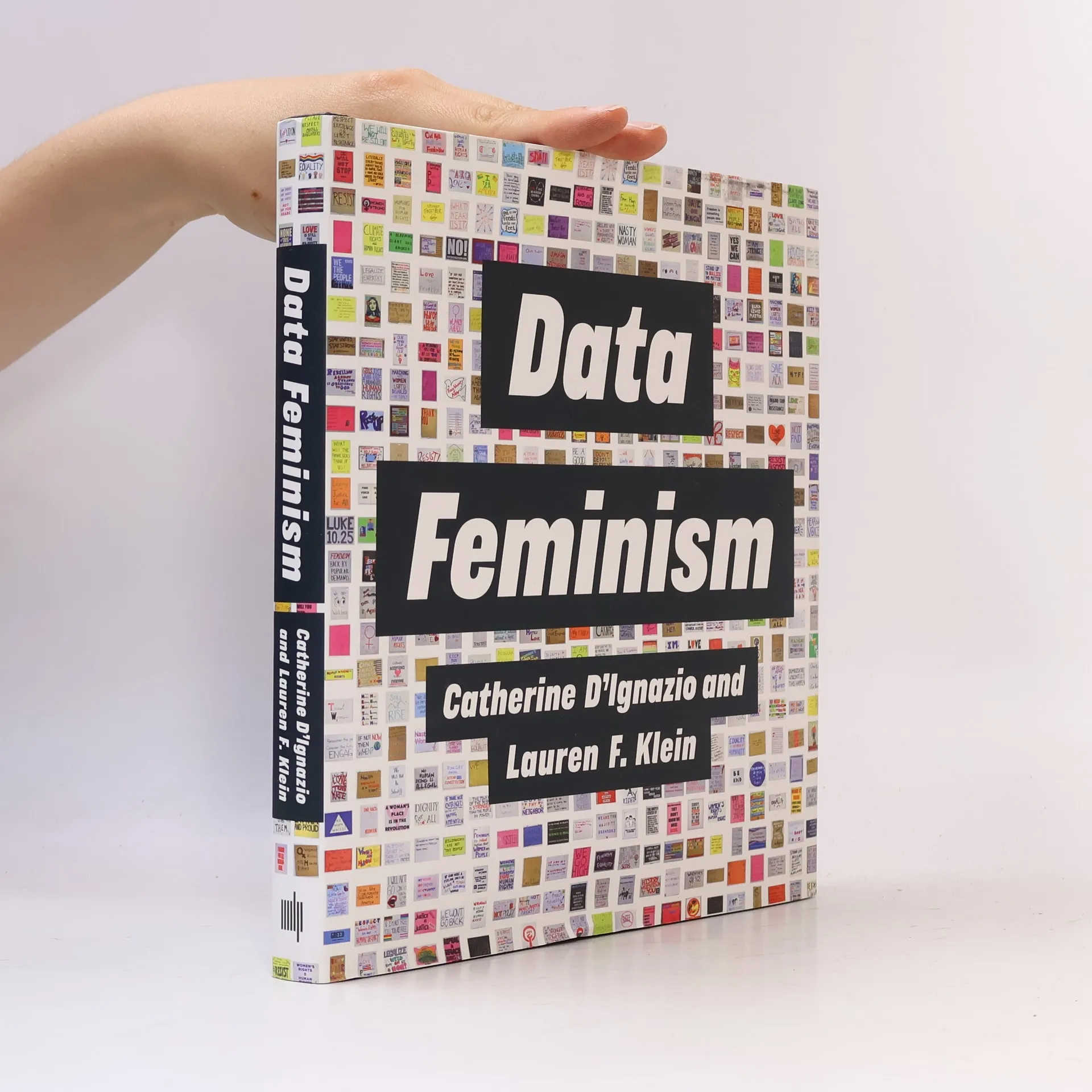
Data Feminism, Catherine D'Ignazio, Lauren F. Klein
- Język

- Rok wydania
- 2020
- Oprawa
- (twarda)
Metody płatności
Brakuje nam tutaj Twojej recenzji.
- Tytuł
- Data Feminism
- Język
- angielski
- Autorzy
- Catherine D'Ignazio, Lauren F. Klein
- Wydawca
- MIT Press
- Rok wydania
- 2020
- Oprawa
- twarda
- Liczba stron
- 328
- ISBN10
- 0262044005
- ISBN13
- 9780262044004
- Seria
- Kategorie
- Ocena
- 4,35 z 5
- Opis
- This work presents a transformative perspective on data science and ethics through the lens of intersectional feminism. While data science wields power to reveal injustices and enhance health outcomes, it can also perpetuate discrimination and surveillance. This duality prompts critical questions: Who practices data science? For whom is it conducted? Whose interests are prioritized? The prevailing narratives surrounding big data are predominantly shaped by white, male, and techno-heroic viewpoints. The authors, Catherine D'Ignazio and Lauren Klein, advocate for a reimagined approach to data science and ethics, drawing from feminist thought. They illustrate how challenging traditional gender binaries can also disrupt flawed hierarchical classification systems. Their insights include how understanding emotion can enrich data visualization and how acknowledging invisible labor reveals the human effort behind automated systems. Importantly, they argue that data does not inherently "speak for itself." The text offers practical strategies for data scientists to integrate feminist principles in their work toward justice, while also inviting feminists to engage with the evolving field of data science. Ultimately, this work transcends gender issues, focusing on power dynamics and the potential for challenging and transforming existing inequalities.