

Więcej o książce
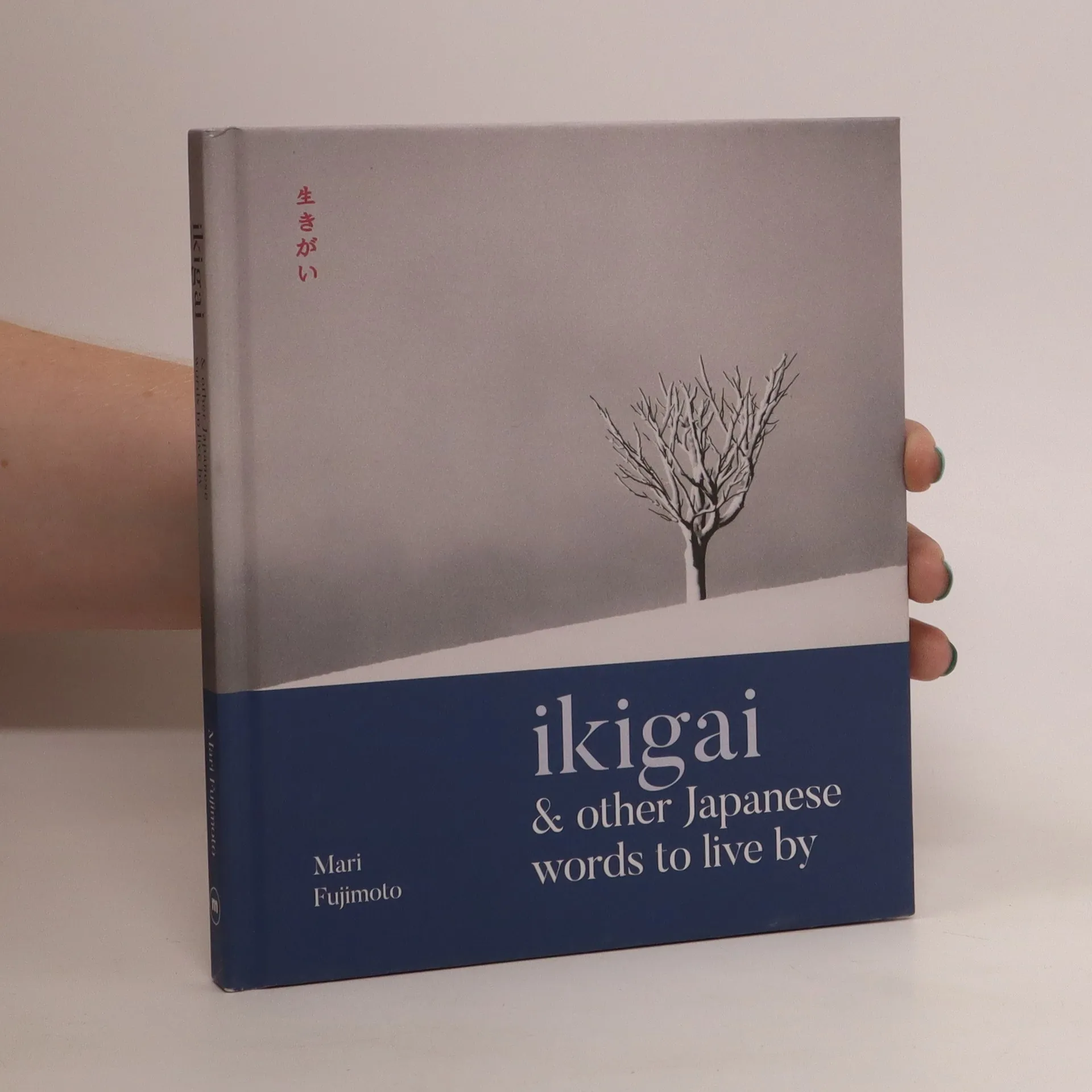
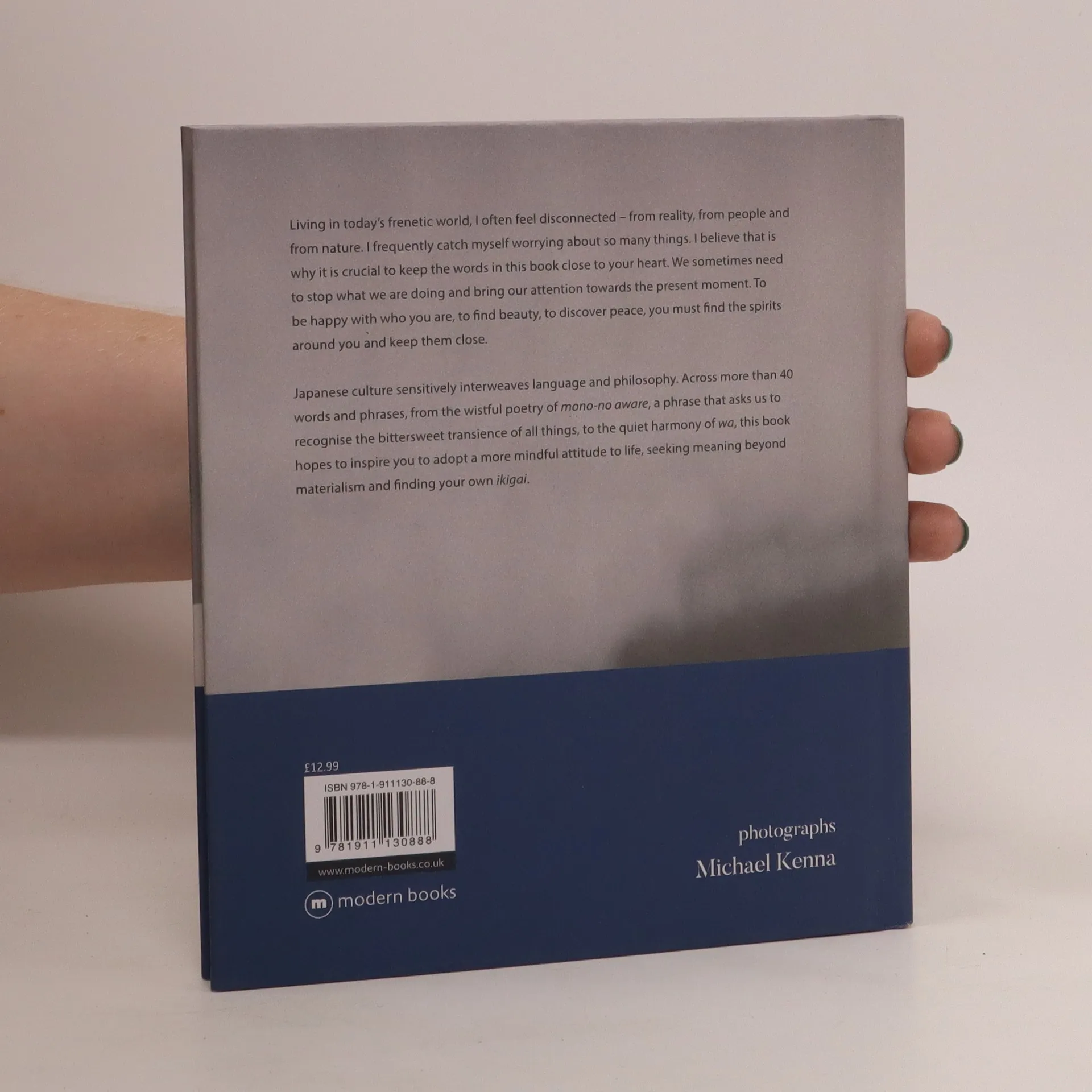
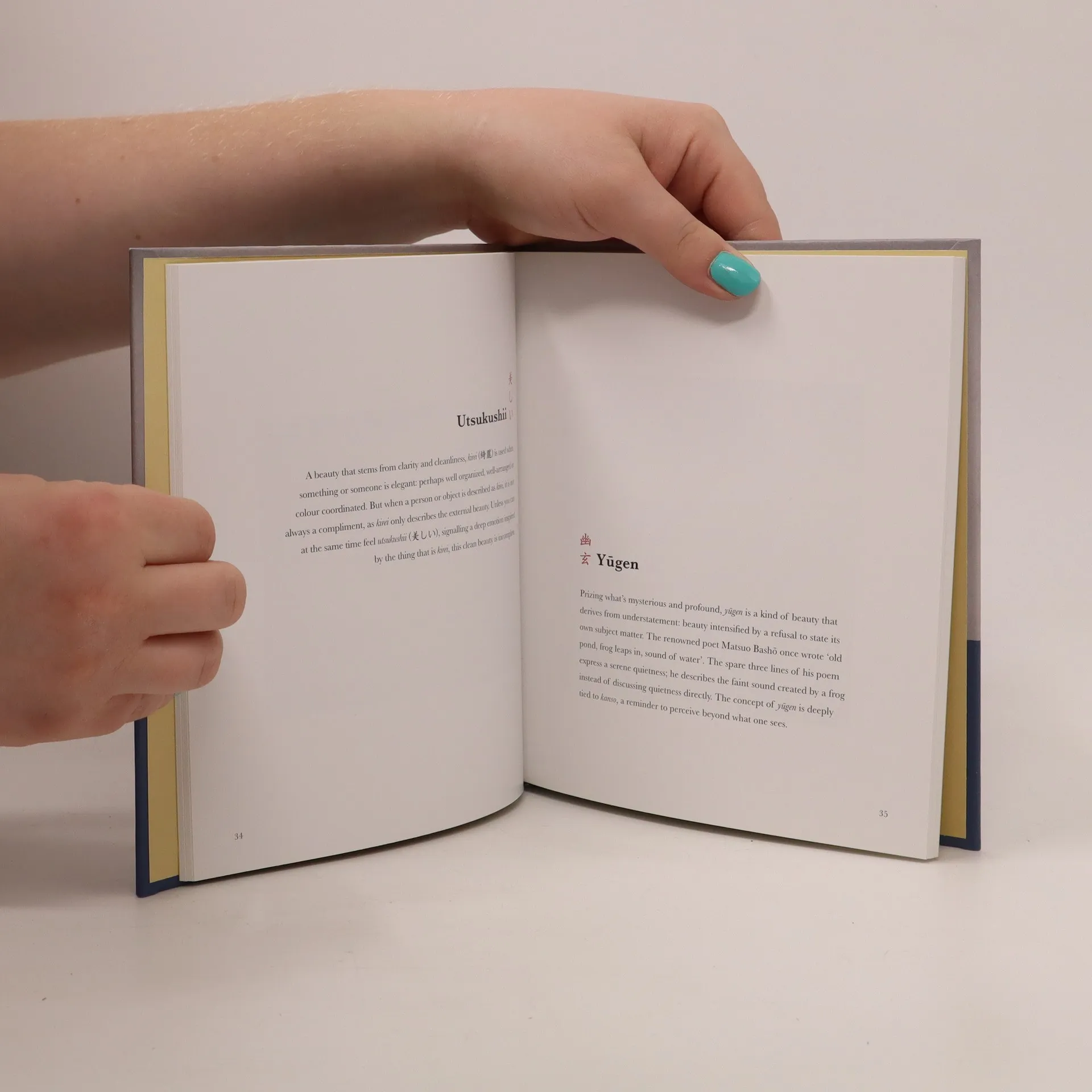
Introducing and explaining some of the most poignant Japanese words, Ikigai is a lifestyle as well as a language book. From the wistful poetry of mono-no-aware, a word that asks us to recognize the bittersweet transience of all things, to the quiet harmony of wa, which knits together all of society's structures, this book is an introduction to the intricacies and value of Japanese phrases and concepts. It hopes to inspire you to incorporate these words into your own lifestyle and adopt a more mindful attitude to life's stresses, seeking meaning beyond materialism. In addition to over 40 'words to live by', Ikigai features musings on the place of beauty, community, time and nature in Japanese thought, teaching mindfulness by way of compelling haikus, and illustrated by Michael Kenna's reflective photography throughout.


Zakup książki
Ikigai & other Japanese words to live by, Mari Fujimoto, David Buchler, Michael Kenna
- Język

- Rok wydania
- 2019
- Oprawa
- (twarda)
Metody płatności
Brakuje nam tutaj Twojej recenzji.
- Tytuł
- Ikigai & other Japanese words to live by
- Język
- angielski
- Autorzy
- Mari Fujimoto, David Buchler, Michael Kenna
- Wydawca
- Modern Books
- Rok wydania
- 2019
- Oprawa
- twarda
- Liczba stron
- 112
- ISBN10
- 1911130889
- ISBN13
- 9781911130888
- Seria
- Kategorie
- Ocena
- 4 z 5
- Opis
- Introducing and explaining some of the most poignant Japanese words, Ikigai is a lifestyle as well as a language book. From the wistful poetry of mono-no-aware, a word that asks us to recognize the bittersweet transience of all things, to the quiet harmony of wa, which knits together all of society's structures, this book is an introduction to the intricacies and value of Japanese phrases and concepts. It hopes to inspire you to incorporate these words into your own lifestyle and adopt a more mindful attitude to life's stresses, seeking meaning beyond materialism. In addition to over 40 'words to live by', Ikigai features musings on the place of beauty, community, time and nature in Japanese thought, teaching mindfulness by way of compelling haikus, and illustrated by Michael Kenna's reflective photography throughout.