

Więcej o książce
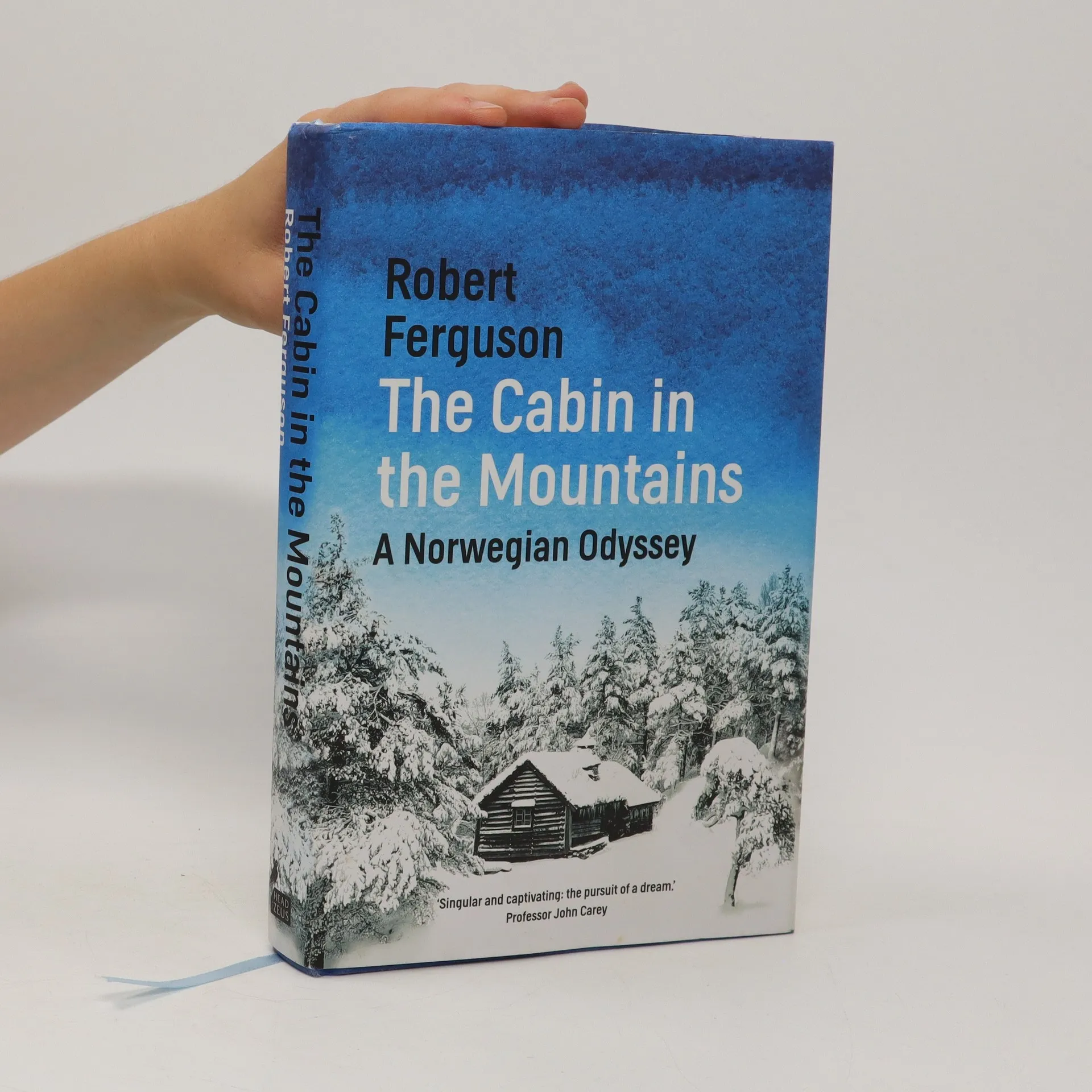
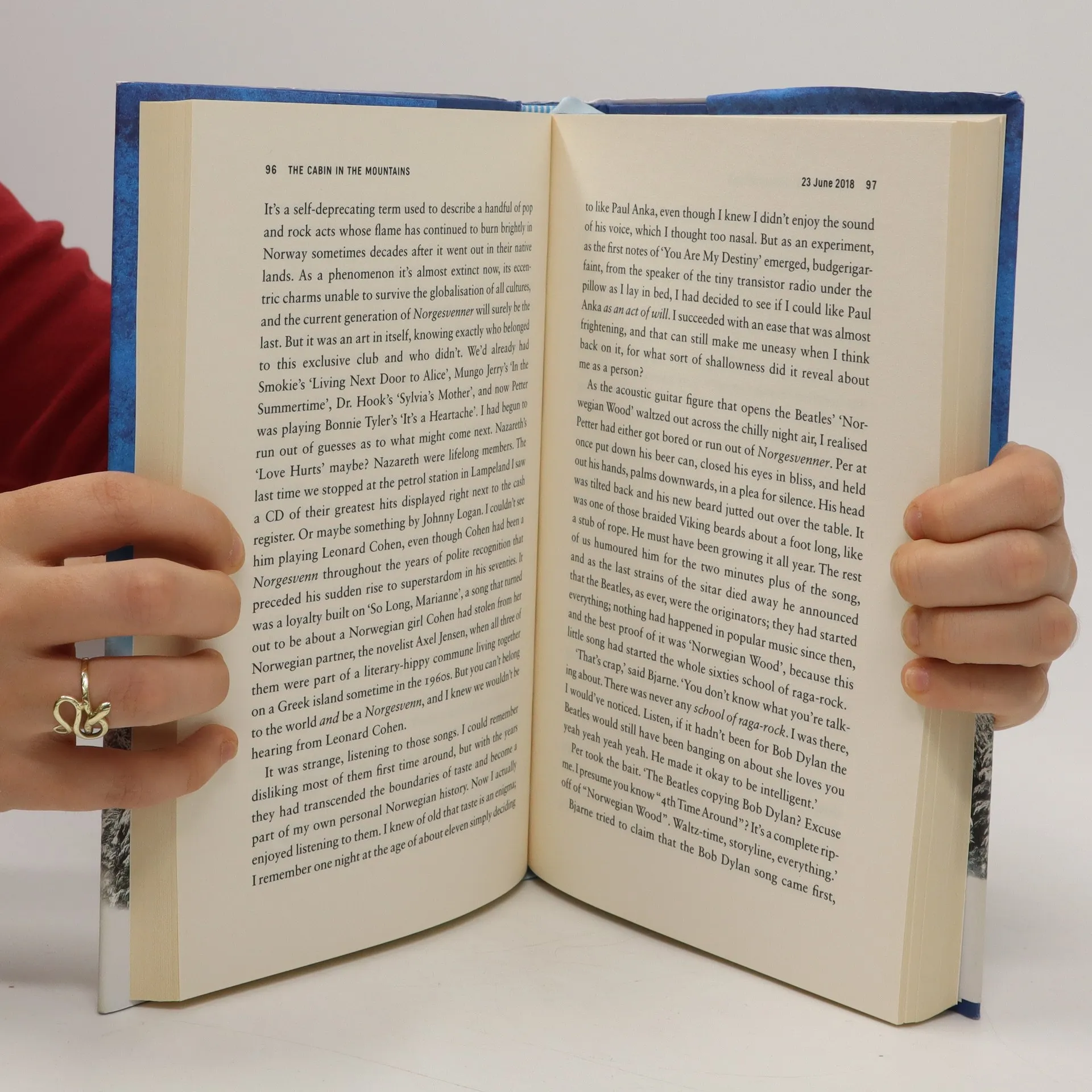
The wooden holiday cabin, or hytte, is a vital aspect of Norwegian life. Robert Ferguson explores its history and significance as a national icon. Characterized by turf roofs and wooden structures, these cabins offer fresh air, tranquility, and the allure of outdoor activities like wood-chopping and hiking in stunning landscapes. In 2016, Ferguson and his wife purchased land in Hardangervidda, where they built their own hytte, fulfilling a dream that had drawn him to Norway from England over thirty years ago. As the cabin takes shape, Ferguson engages in conversations with friends and builders, uncovering the cultural history of modern Norway. He observes the evolving traditions associated with these cabins as Norwegians balance newfound urban wealth with their past as a close-knit, rural community. Additionally, he highlights the enriching relationship between colonial Norwegians and their affluent British neighbors in the 19th and 20th centuries. The British 'salmon-lords' influenced Norwegians' perspectives on their rivers, while English climbers introduced new ideas about their mountains, shaping a unique cultural exchange.


Zakup książki
The Cabin in the Mountains, Robert Ferguson
- Język

- Rok wydania
- 2019
- Oprawa
- (twarda)
Metody płatności
Brakuje nam tutaj Twojej recenzji.
- Tytuł
- The Cabin in the Mountains
- Język
- angielski
- Autorzy
- Robert Ferguson
- Wydawca
- Head of Zeus
- Rok wydania
- 2019
- Oprawa
- twarda
- Liczba stron
- 432
- ISBN10
- 1786696762
- ISBN13
- 9781786696762
- Seria
- Tagi
- Podróże
- Ocena
- 3,5 z 5
- Opis
- The wooden holiday cabin, or hytte, is a vital aspect of Norwegian life. Robert Ferguson explores its history and significance as a national icon. Characterized by turf roofs and wooden structures, these cabins offer fresh air, tranquility, and the allure of outdoor activities like wood-chopping and hiking in stunning landscapes. In 2016, Ferguson and his wife purchased land in Hardangervidda, where they built their own hytte, fulfilling a dream that had drawn him to Norway from England over thirty years ago. As the cabin takes shape, Ferguson engages in conversations with friends and builders, uncovering the cultural history of modern Norway. He observes the evolving traditions associated with these cabins as Norwegians balance newfound urban wealth with their past as a close-knit, rural community. Additionally, he highlights the enriching relationship between colonial Norwegians and their affluent British neighbors in the 19th and 20th centuries. The British 'salmon-lords' influenced Norwegians' perspectives on their rivers, while English climbers introduced new ideas about their mountains, shaping a unique cultural exchange.