


Więcej o książce
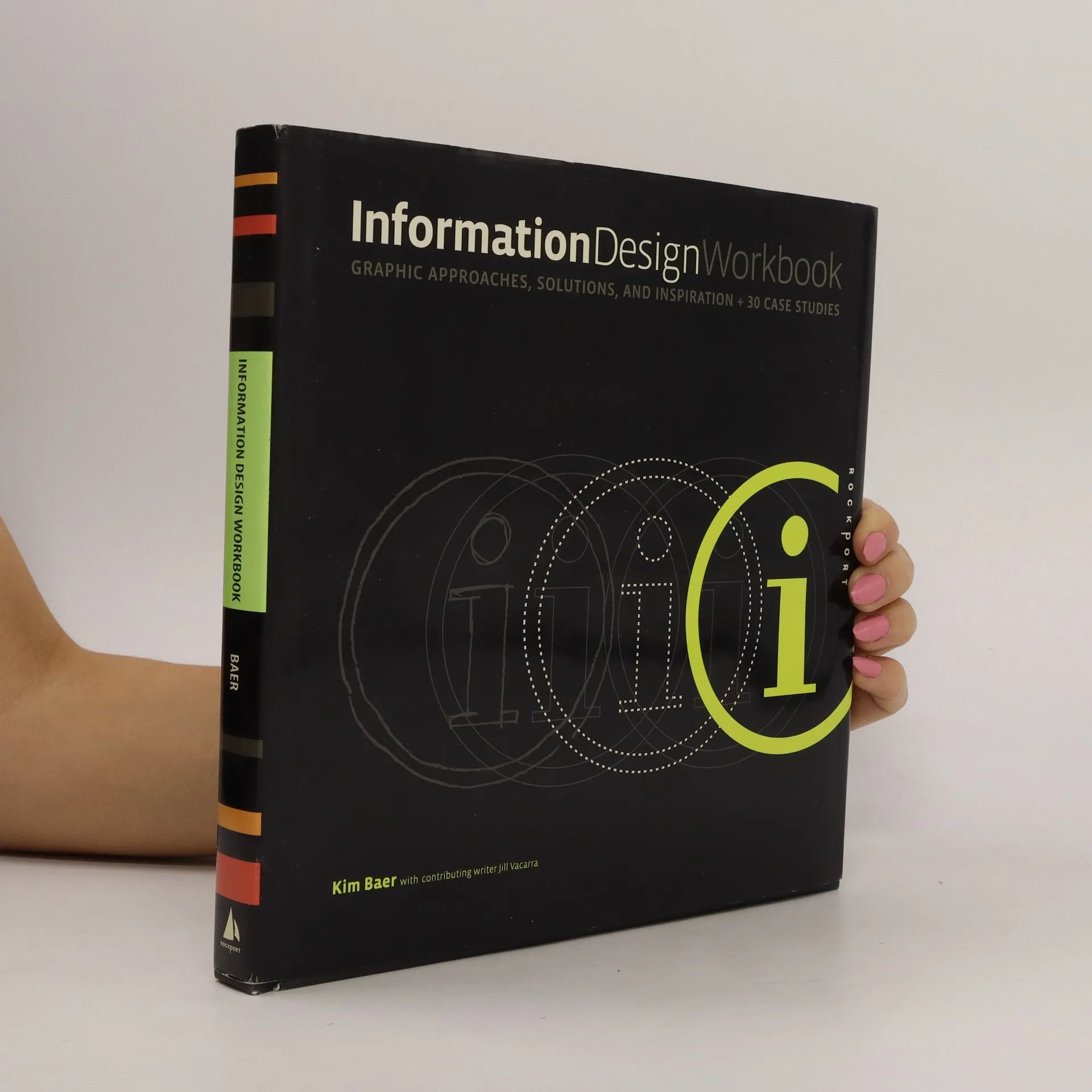
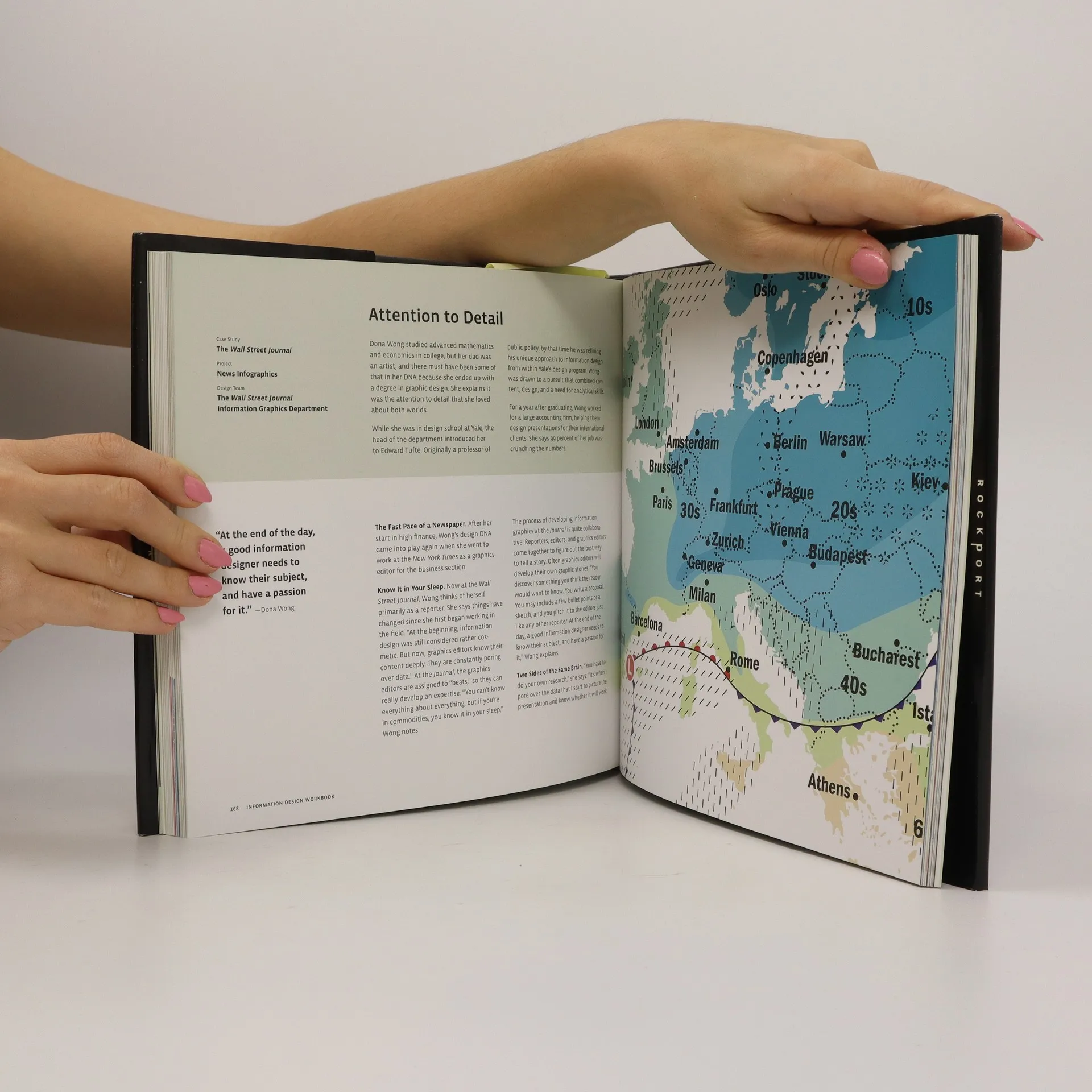
Currently there is nothing as comprehensive about this topic available. This new volume takes a methodical yet comprehensive approach to conveying the fundamentals of avant-garde, innovative, information design by examining history, theory, criticism, technology and media, process, method, and practice. Opening with a very brief history followed by an instructive breakdown of the discipline, readers will get an intimate understanding of the complexities of crafting information design to effectively improve communication both functionally and aesthetically. The back half of the book contains a wide range of case studies from design firms around the world so designers can see the techniques previously outlined in the first half of the book. The author critiques and explains why the design is successful in terms of formal quality (Aesthetics) and function (How does it improve communication?).


Zakup książki
Information Design Workbook, Kim Baer, Jill Vacarra
- Język

- Rok wydania
- 2008
- Oprawa
- (twarda)
Metody płatności
Brakuje nam tutaj Twojej recenzji.
- Tytuł
- Information Design Workbook
- Język
- angielski
- Autorzy
- Kim Baer, Jill Vacarra
- Wydawca
- Rockport Publishers
- Rok wydania
- 2008
- Oprawa
- twarda
- Liczba stron
- 240
- ISBN10
- 1592534104
- ISBN13
- 9781592534104
- Seria
- Tagi
- Podręczniki, Sztuka, Szkoła, Komunikacja
- Ocena
- 3,55 z 5
- Opis
- Currently there is nothing as comprehensive about this topic available. This new volume takes a methodical yet comprehensive approach to conveying the fundamentals of avant-garde, innovative, information design by examining history, theory, criticism, technology and media, process, method, and practice. Opening with a very brief history followed by an instructive breakdown of the discipline, readers will get an intimate understanding of the complexities of crafting information design to effectively improve communication both functionally and aesthetically. The back half of the book contains a wide range of case studies from design firms around the world so designers can see the techniques previously outlined in the first half of the book. The author critiques and explains why the design is successful in terms of formal quality (Aesthetics) and function (How does it improve communication?).