



Więcej o książce
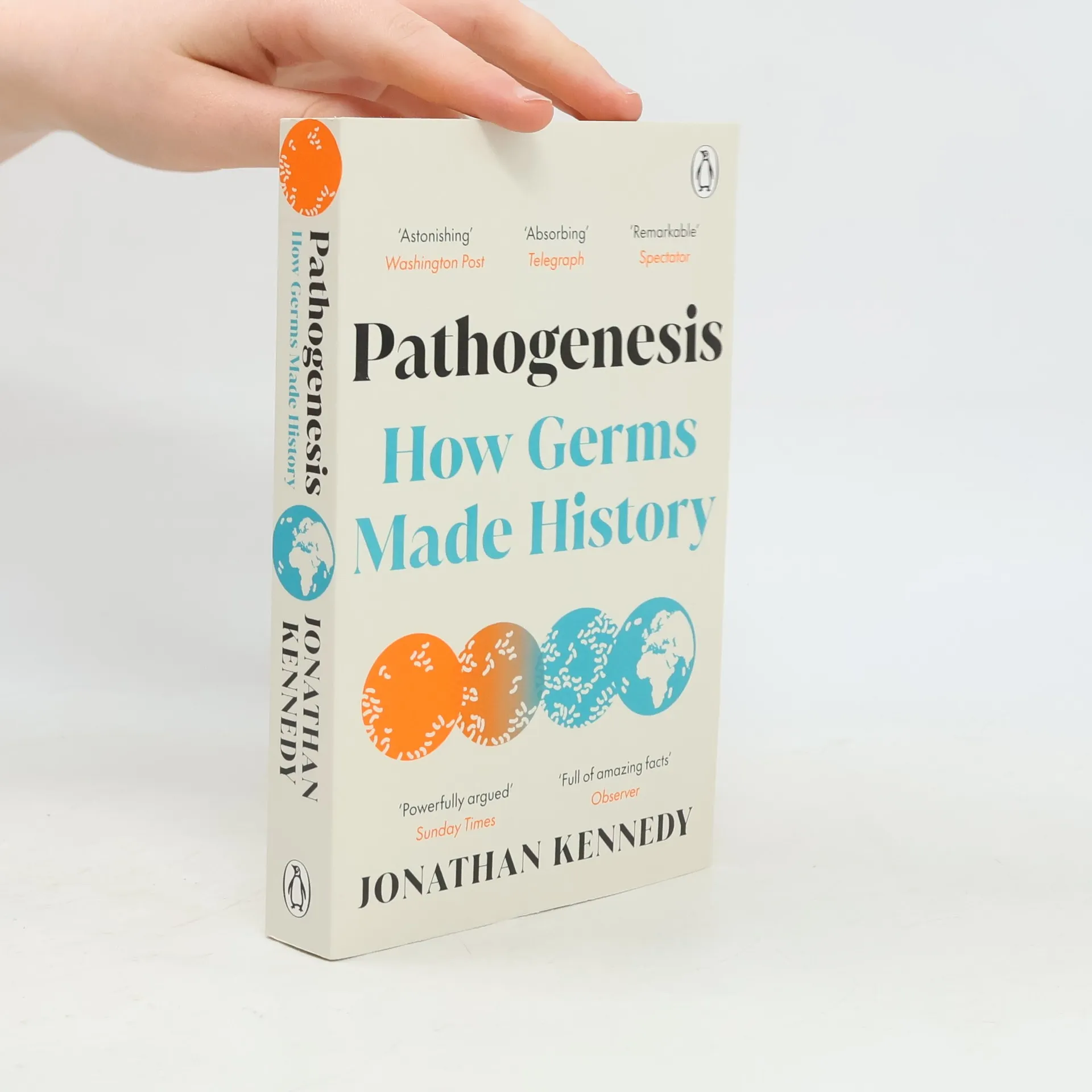
A BBC RADIO 4 BOOK OF THE WEEK, TIMES SCIENCE BOOK OF THE YEAR, and SUNDAY TIMES SCIENCE BOOK OF THE YEAR, this work presents a powerful argument about the profound impact of germs on humanity throughout history. Praised for its engaging narrative and insightful analysis, it challenges long-held beliefs about colonialism and human evolution. Dr. Jonathan Kennedy reveals how infectious diseases have been pivotal in shaping key historical events, from the triumph of Homo sapiens over Neanderthals to the fall of Rome and the rise of Islam. The book poses intriguing questions, such as how an Indonesian volcano contributed to the Black Death and why the Industrial Revolution spurred the modern welfare state. Kennedy emphasizes that infectious diseases are integral to our identity, influencing our biology and societal structures. He highlights that the reason humans do not lay eggs is due to a virus that integrated into our DNA, and that our bodies host as many bacteria as human cells. By reframing the concept of evolution, he argues that it is not solely about human strength but our adaptability in a microbe-dominated world. Through this exploration, the text offers a transformative perspective on the human story, revealing the intimate relationship between humanity and infectious diseases over the past 50,000 years.


Zakup książki
Pathogenesis: How germs made history, Jonathan Pevsner
- Język

- Rok wydania
- 2024
- Oprawa
- (miękka)
Metody płatności
Brakuje nam tutaj Twojej recenzji.
- Tytuł
- Pathogenesis: How germs made history
- Język
- angielski
- Autorzy
- Jonathan Pevsner
- Wydawca
- Transworld Publishers Ltd
- Rok wydania
- 2024
- Oprawa
- miękka
- Liczba stron
- 384
- ISBN10
- 1804991899
- ISBN13
- 9781804991893
- Seria
- Kategorie
- Ocena
- 3,9 z 5
- Opis
- A BBC RADIO 4 BOOK OF THE WEEK, TIMES SCIENCE BOOK OF THE YEAR, and SUNDAY TIMES SCIENCE BOOK OF THE YEAR, this work presents a powerful argument about the profound impact of germs on humanity throughout history. Praised for its engaging narrative and insightful analysis, it challenges long-held beliefs about colonialism and human evolution. Dr. Jonathan Kennedy reveals how infectious diseases have been pivotal in shaping key historical events, from the triumph of Homo sapiens over Neanderthals to the fall of Rome and the rise of Islam. The book poses intriguing questions, such as how an Indonesian volcano contributed to the Black Death and why the Industrial Revolution spurred the modern welfare state. Kennedy emphasizes that infectious diseases are integral to our identity, influencing our biology and societal structures. He highlights that the reason humans do not lay eggs is due to a virus that integrated into our DNA, and that our bodies host as many bacteria as human cells. By reframing the concept of evolution, he argues that it is not solely about human strength but our adaptability in a microbe-dominated world. Through this exploration, the text offers a transformative perspective on the human story, revealing the intimate relationship between humanity and infectious diseases over the past 50,000 years.