

Parametry
Więcej o książce
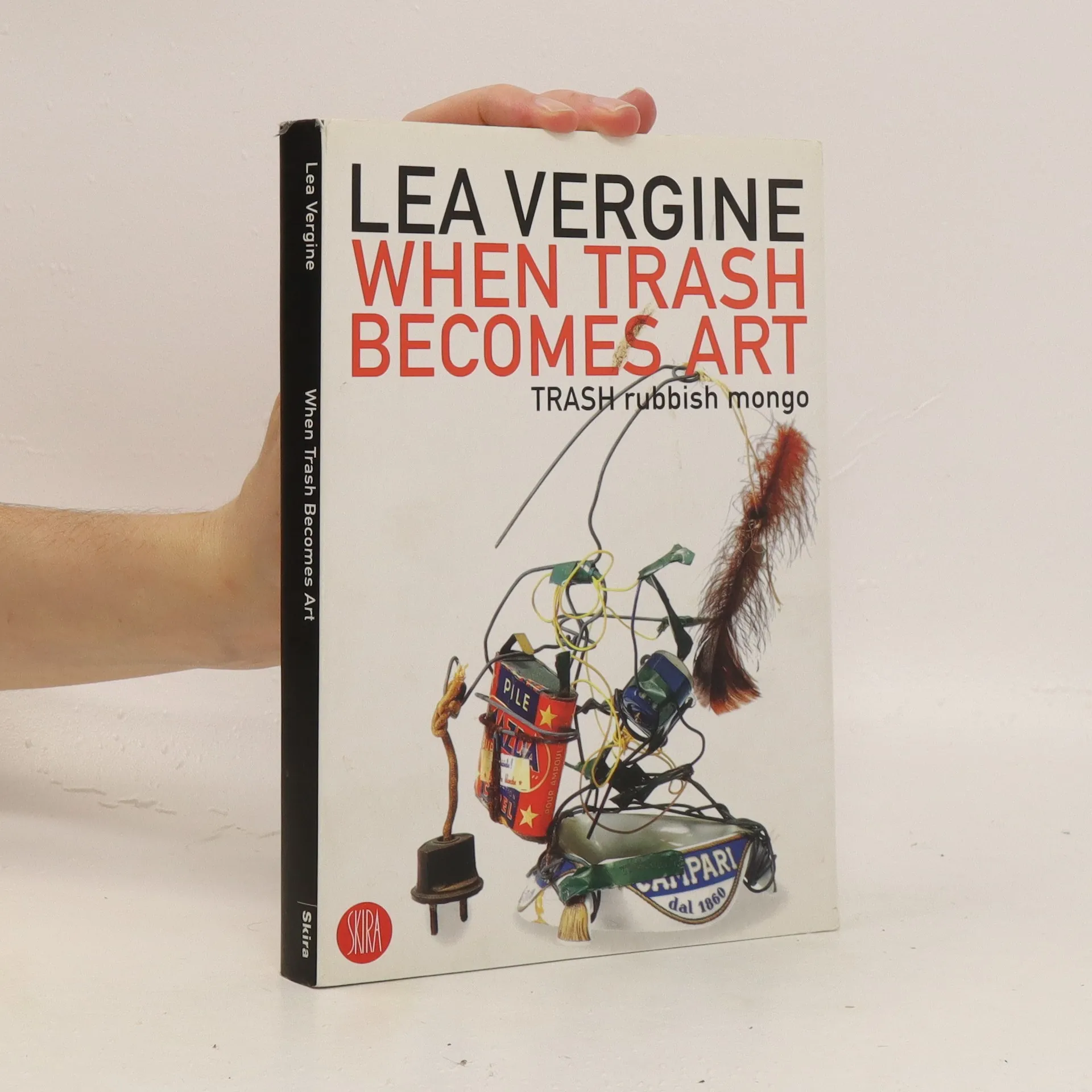
Trash as material in art, from Kurt Schwitters to Louise Bourgeois When Trash Becomes Art examines the work of artists who use garbage as their artistic medium, creating art that mirrors our alienation and consumerism. Author Lea Vergine suggests trash is a natural “It has been said that trash represents risk and fascination, impending disaster and seduction. Now and then it is the mark of a creativity as menacing as it is ambiguous-garbage cannot be foreseen and therefore cannot be eluded.” In fact, trash and found objects can be seen in works from the early part of the twentieth-century by Fortunato Depero, Kurt Schwitters, and others, as well as through current works by Christian Boltanski, Cindy Sherman, Louise Bourgeois, and Andreas Serrano.Vergine's view is not limited to figurative art; she also explores the use of trash in other expressive modes such as architecture, cinema, dance, music, and theatre, thus providing a multifaceted interpretation of the artistic use of the very things cast off and abandoned by society.
Zakup książki
When trash becomes art : TRASH rubbish mongo, Lea Vergine
- Język

- Rok wydania
- 2007
- Oprawa
- (miękka)
Metody płatności
Brakuje nam tutaj Twojej recenzji.
- Tytuł
- When trash becomes art : TRASH rubbish mongo
- Język
- angielski
- Autorzy
- Lea Vergine
- Wydawca
- Skira
- Rok wydania
- 2007
- Oprawa
- miękka
- ISBN10
- 8876247289
- ISBN13
- 9788876247286
- Seria
- Tagi
- Katalogi
- Ocena
- 3,55 z 5
- Opis
- Trash as material in art, from Kurt Schwitters to Louise Bourgeois When Trash Becomes Art examines the work of artists who use garbage as their artistic medium, creating art that mirrors our alienation and consumerism. Author Lea Vergine suggests trash is a natural “It has been said that trash represents risk and fascination, impending disaster and seduction. Now and then it is the mark of a creativity as menacing as it is ambiguous-garbage cannot be foreseen and therefore cannot be eluded.” In fact, trash and found objects can be seen in works from the early part of the twentieth-century by Fortunato Depero, Kurt Schwitters, and others, as well as through current works by Christian Boltanski, Cindy Sherman, Louise Bourgeois, and Andreas Serrano.Vergine's view is not limited to figurative art; she also explores the use of trash in other expressive modes such as architecture, cinema, dance, music, and theatre, thus providing a multifaceted interpretation of the artistic use of the very things cast off and abandoned by society.