


Parametry
- 512 stron
- 18 godzin czytania
Więcej o książce
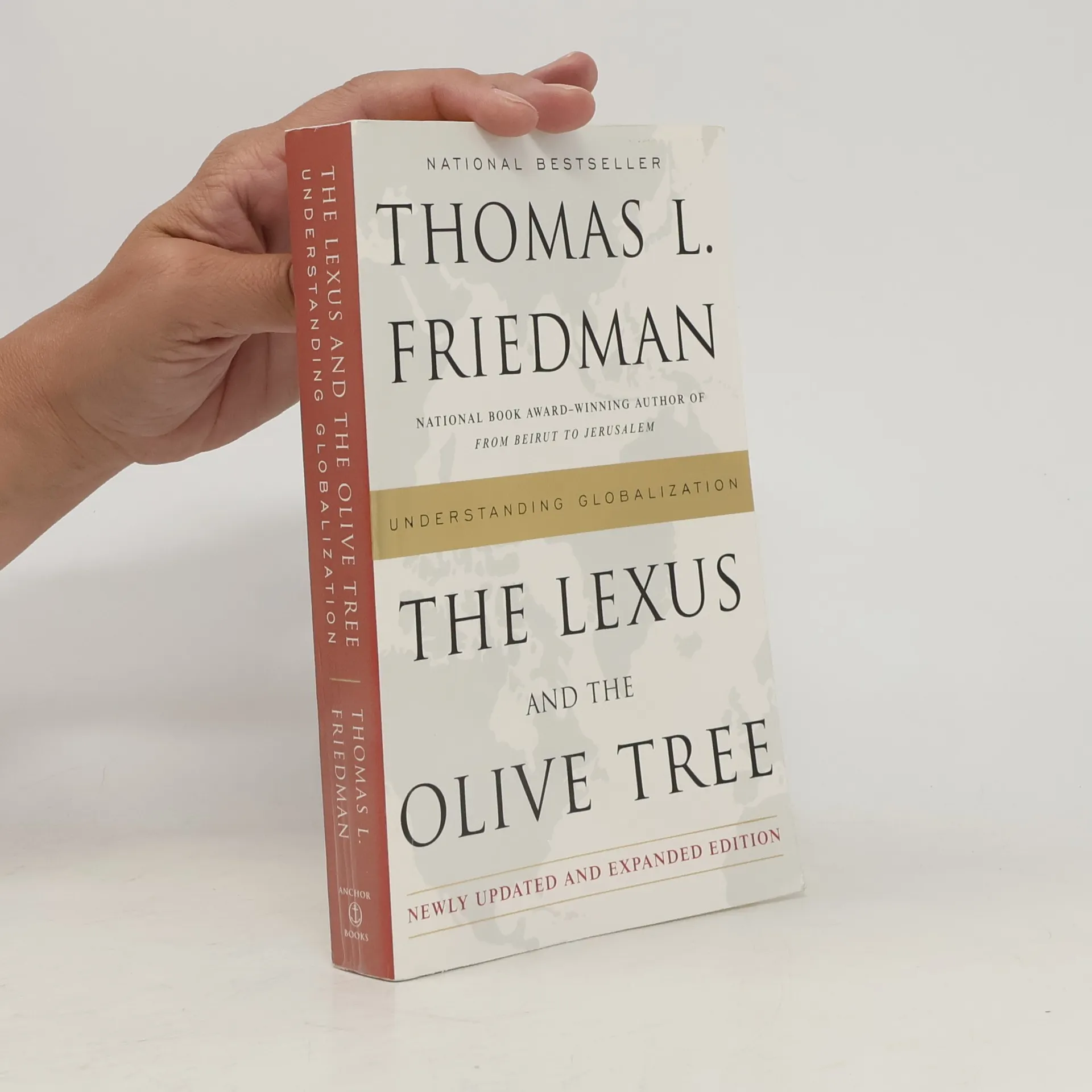
From a perceptive commentator and National Book Award winner, this work offers a comprehensive exploration of globalization, the international system shaping world affairs today. As a Foreign Affairs columnist for The New York Times, Thomas L. Friedman has traveled extensively, interviewing diverse individuals—from Brazilian peasants to Wall Street financial experts. He presents globalization not merely as a trend but as a transformative system that has replaced the Cold War framework, creating an interconnected global market and, to some extent, a global village. Understanding this system is crucial for interpreting current events and personal investments. For instance, during the Cold War, communication was symbolized by the hot line between superpowers, while today, the Internet represents our interconnectedness, albeit with no single authority in control. Through vivid narratives and original concepts, Friedman provides insights into this new world order, illustrating the conflict between the forces of globalization and enduring cultural traditions. He also addresses the backlash against globalization from those who feel marginalized by it and emphasizes the need for balance. The struggle between modernity and tradition is the central theme of this provocative work, essential for anyone interested in the dynamics of the contemporary world.



W magazynie mamy łącznie książkiThe Lexus and the olive tree(2000)
Zakup książki
The Lexus and the olive tree, Thomas Friedman
- Język

- Rok wydania
- 2000
- Oprawa
- (miękka),
- Stan książki
- Dobry
- Cena
- 15,90 zł
Metody płatności
Brakuje nam tutaj Twojej recenzji.
- Tytuł
- The Lexus and the olive tree
- Język
- angielski
- Autorzy
- Thomas Friedman
- Wydawca
- Anchor Books
- Rok wydania
- 2000
- Oprawa
- miękka
- Liczba stron
- 512
- ISBN10
- 0385499345
- ISBN13
- 9780385499347
- Seria
- Kategorie
- Oryginalna nazwa
- The lexus and the olive tree
- Ocena
- 3,6 z 5
- Opis
- From a perceptive commentator and National Book Award winner, this work offers a comprehensive exploration of globalization, the international system shaping world affairs today. As a Foreign Affairs columnist for The New York Times, Thomas L. Friedman has traveled extensively, interviewing diverse individuals—from Brazilian peasants to Wall Street financial experts. He presents globalization not merely as a trend but as a transformative system that has replaced the Cold War framework, creating an interconnected global market and, to some extent, a global village. Understanding this system is crucial for interpreting current events and personal investments. For instance, during the Cold War, communication was symbolized by the hot line between superpowers, while today, the Internet represents our interconnectedness, albeit with no single authority in control. Through vivid narratives and original concepts, Friedman provides insights into this new world order, illustrating the conflict between the forces of globalization and enduring cultural traditions. He also addresses the backlash against globalization from those who feel marginalized by it and emphasizes the need for balance. The struggle between modernity and tradition is the central theme of this provocative work, essential for anyone interested in the dynamics of the contemporary world.