

Więcej o książce
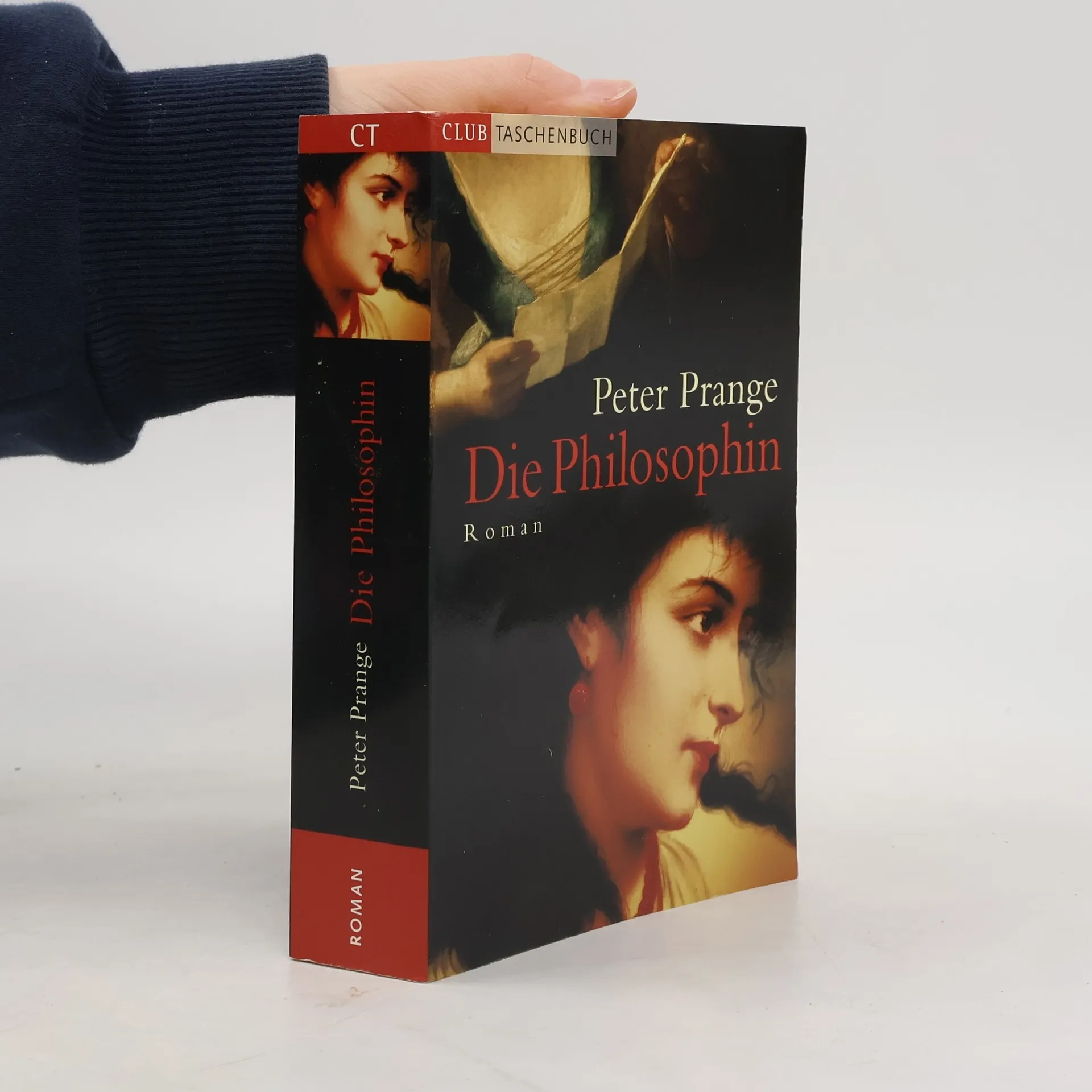
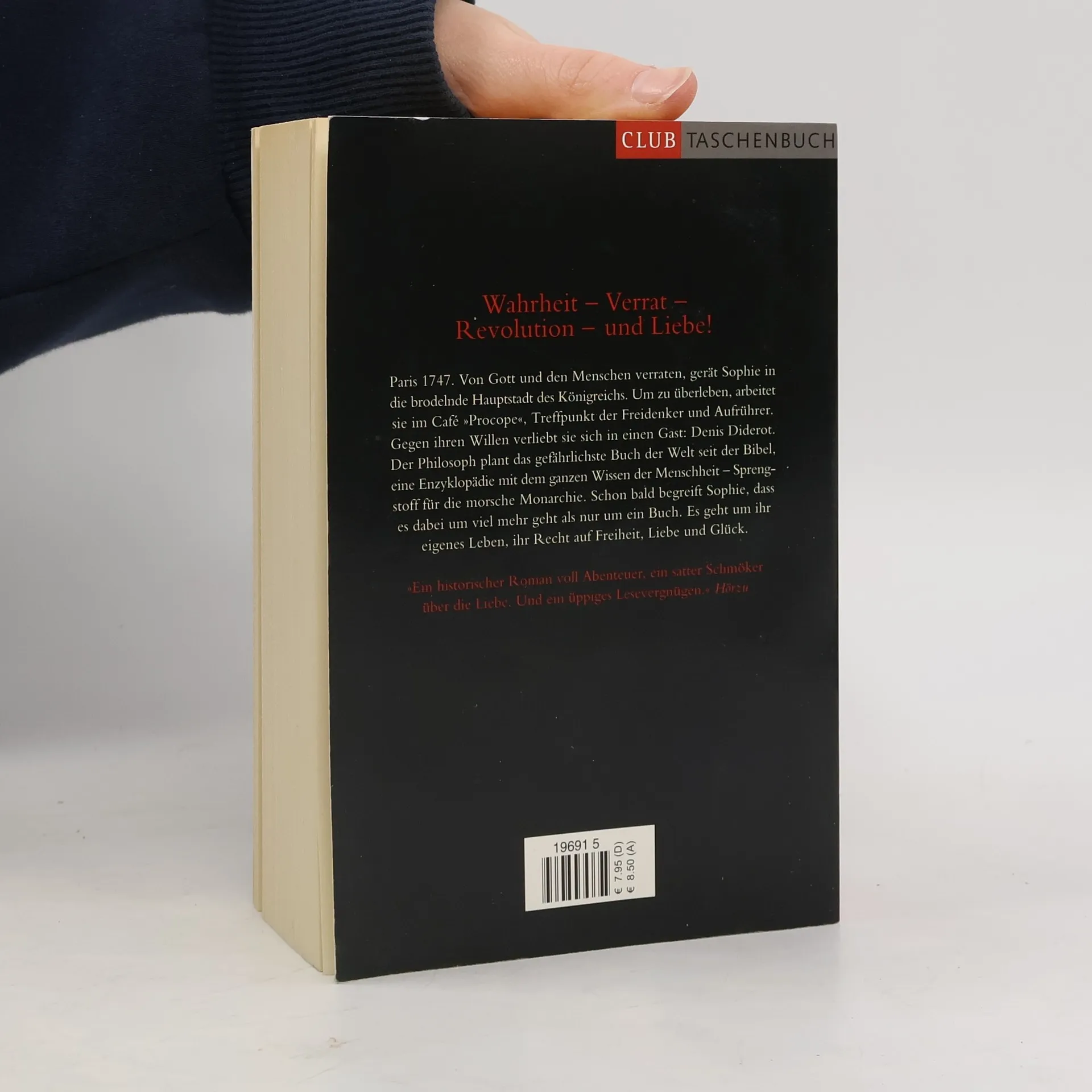
Paris, 1747. Betrayed by both God and humanity, Sophie finds herself in the vast capital of the kingdom. To survive, she works at Café Procope, a gathering place for free thinkers and rebels. Against her will, she falls in love with Denis Diderot, who is planning the most dangerous book in the world: an encyclopedia that encompasses all human knowledge—a threat to the crumbling monarchy. Sophie soon realizes that this is about more than just a book; it concerns her life, her right to freedom, love, and happiness. Fascinated yet frightened by new ideas, she is haunted by a traumatic childhood experience in which she lost her mother. She believes that women like her should not read, write, or love. Horrified, she witnesses the burning of philosophers' books. Should she follow her heart? Navigating through all layers of society, she feels betrayed by Diderot but clings to her love. As the reader for the Marquise de Pompadour, the beautiful and intelligent mistress of the king, she encounters the chief censor of France at the court of Versailles, who becomes an unexpected ally in the fight for the encyclopedia—unbeknownst to her, they are already entangled in a mysterious, tragic relationship.

Zakup książki
Die Philosophin, Peter Prange
- Język

- Rok wydania
- 2005
- Oprawa
- (miękka)
Metody płatności
Brakuje nam tutaj Twojej recenzji.
- Tytuł
- Die Philosophin
- Język
- angielski
- Autorzy
- Peter Prange
- Wydawca
- Club Taschenbuch
- Rok wydania
- 2005
- Oprawa
- miękka
- Seria
- Tagi
- Tematyka filozoficzna, Miłość, Literatura niemiecka, Nauka, Francja, Paryż, XVIII wiek, Rewolucja, Oświecenie, Emancypacja, Rewolucja Francuska (1789-1799)
- Pierwsze wydanie
- 2004
- Ocena
- 3,55 z 5
- Opis
- Paris, 1747. Betrayed by both God and humanity, Sophie finds herself in the vast capital of the kingdom. To survive, she works at Café Procope, a gathering place for free thinkers and rebels. Against her will, she falls in love with Denis Diderot, who is planning the most dangerous book in the world: an encyclopedia that encompasses all human knowledge—a threat to the crumbling monarchy. Sophie soon realizes that this is about more than just a book; it concerns her life, her right to freedom, love, and happiness. Fascinated yet frightened by new ideas, she is haunted by a traumatic childhood experience in which she lost her mother. She believes that women like her should not read, write, or love. Horrified, she witnesses the burning of philosophers' books. Should she follow her heart? Navigating through all layers of society, she feels betrayed by Diderot but clings to her love. As the reader for the Marquise de Pompadour, the beautiful and intelligent mistress of the king, she encounters the chief censor of France at the court of Versailles, who becomes an unexpected ally in the fight for the encyclopedia—unbeknownst to her, they are already entangled in a mysterious, tragic relationship.