

Więcej o książce
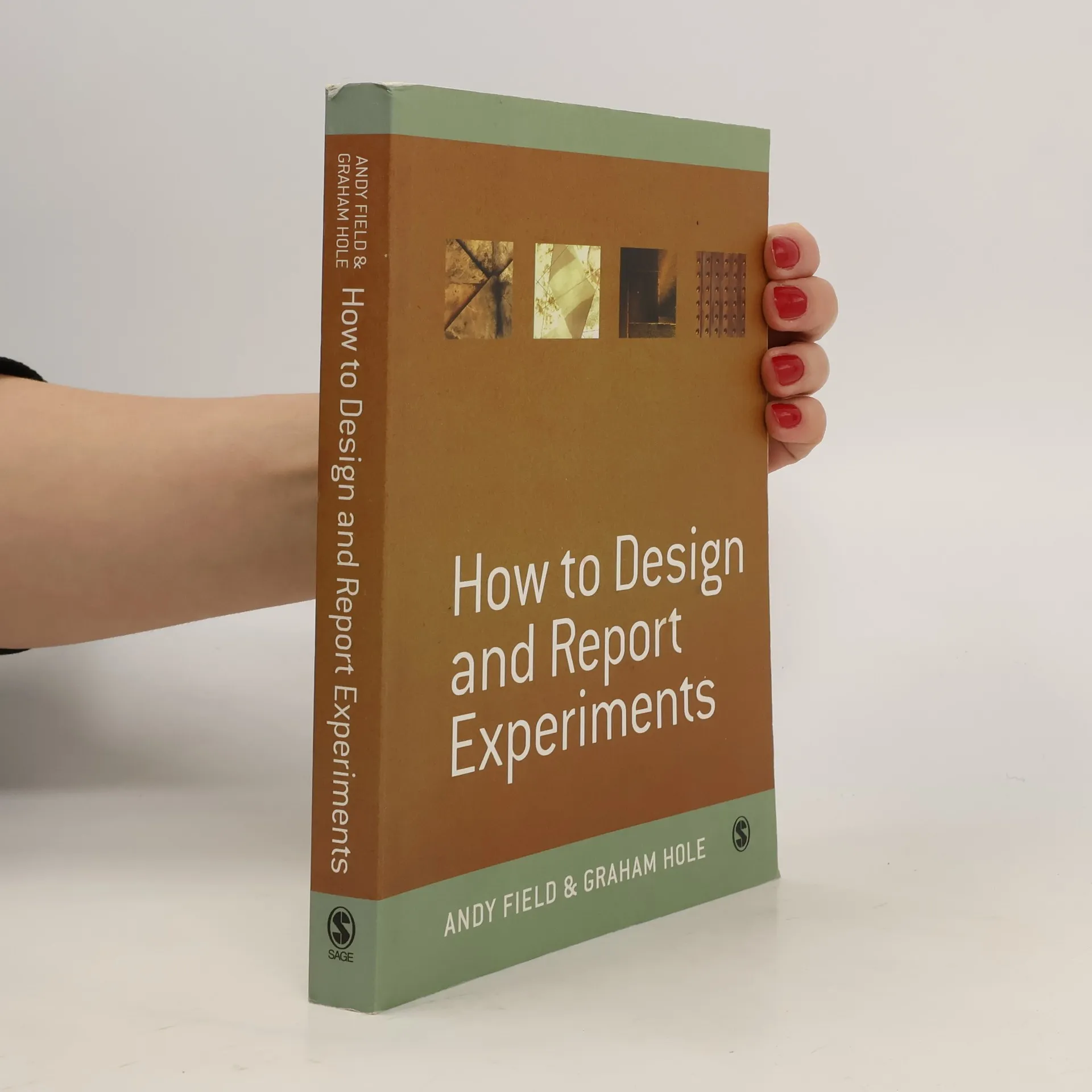
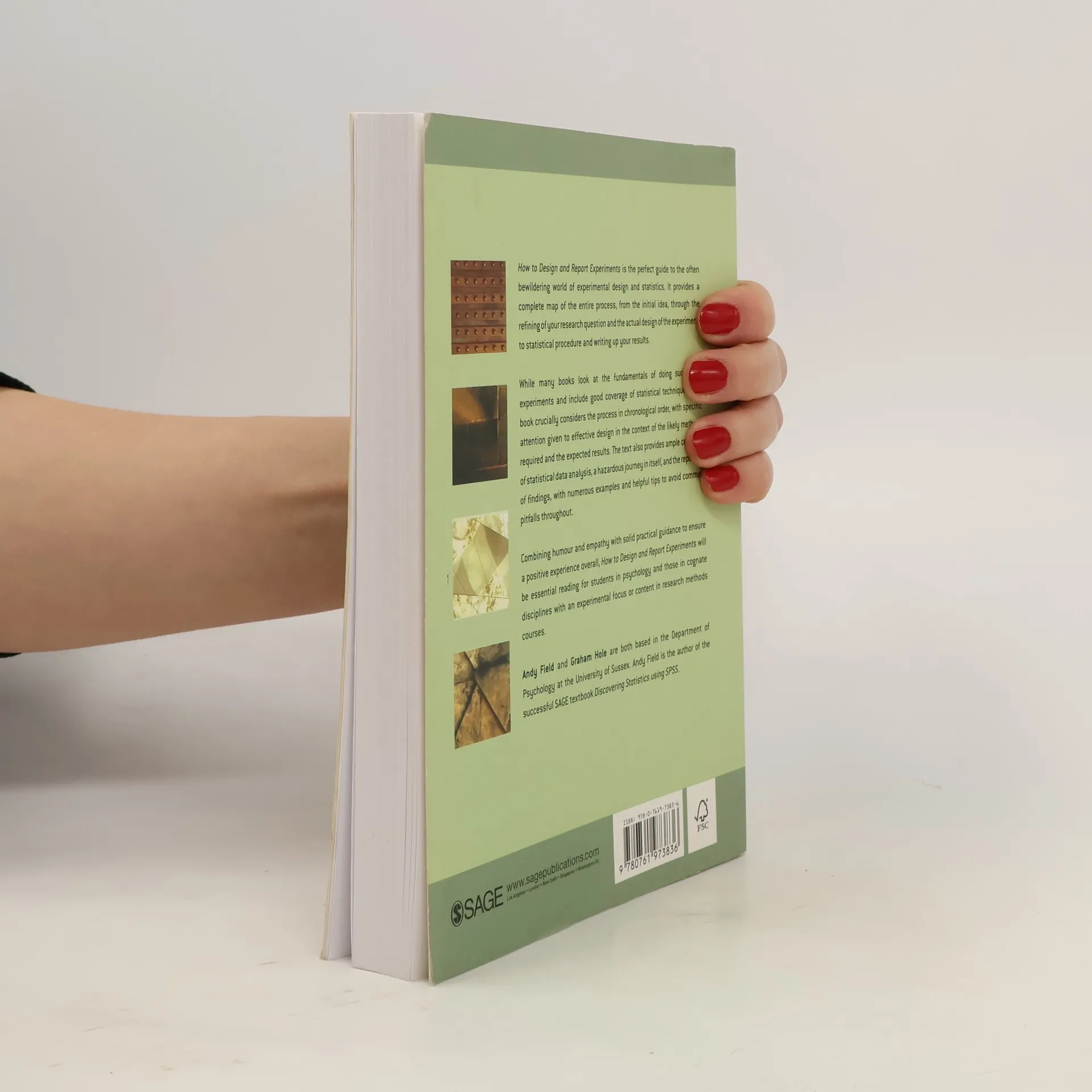
How to Design and Report Experiments is the perfect textbook and guide to the often bewildering world of experimental design and statistics. It provides a complete map of the entire process beginning with how to get ideas about research, how to refine your research question and the actual design of the experiment, leading on to statistical procedure and assistance with writing up of results. While many books look at the fundamentals of doing successful experiments and include good coverage of statistical techniques, this book very importantly considers the process in chronological order with specific attention given to effective design in the context of likely methods needed and expected results. Without full assessment of these aspects, the experience and results may not end up being as positive as one might have hoped. Ample coverage is then also provided of statistical data analysis, a hazardous journey in itself, and the reporting of findings, with numerous examples and helpful tips of common downfalls throughout. Combining light humour, empathy with solid practical guidance to ensure a positive experience overall, Designing and Reporting Experiments will be essential reading for students in psychology and those in cognate disciplines with an experimental focus or content in research methods courses.


Zakup książki
How to design and report experiments, Andy Field, Graham Hole
- Język

- Rok wydania
- 2003
- Oprawa
- (miękka)
Metody płatności
Brakuje nam tutaj Twojej recenzji.
- Tytuł
- How to design and report experiments
- Język
- angielski
- Autorzy
- Andy Field, Graham Hole
- Wydawca
- Sage
- Rok wydania
- 2003
- Oprawa
- miękka
- Liczba stron
- 384
- ISBN10
- 0761973834
- ISBN13
- 9780761973836
- Seria
- Ocena
- 4,25 z 5
- Opis
- How to Design and Report Experiments is the perfect textbook and guide to the often bewildering world of experimental design and statistics. It provides a complete map of the entire process beginning with how to get ideas about research, how to refine your research question and the actual design of the experiment, leading on to statistical procedure and assistance with writing up of results. While many books look at the fundamentals of doing successful experiments and include good coverage of statistical techniques, this book very importantly considers the process in chronological order with specific attention given to effective design in the context of likely methods needed and expected results. Without full assessment of these aspects, the experience and results may not end up being as positive as one might have hoped. Ample coverage is then also provided of statistical data analysis, a hazardous journey in itself, and the reporting of findings, with numerous examples and helpful tips of common downfalls throughout. Combining light humour, empathy with solid practical guidance to ensure a positive experience overall, Designing and Reporting Experiments will be essential reading for students in psychology and those in cognate disciplines with an experimental focus or content in research methods courses.