

Więcej o książce
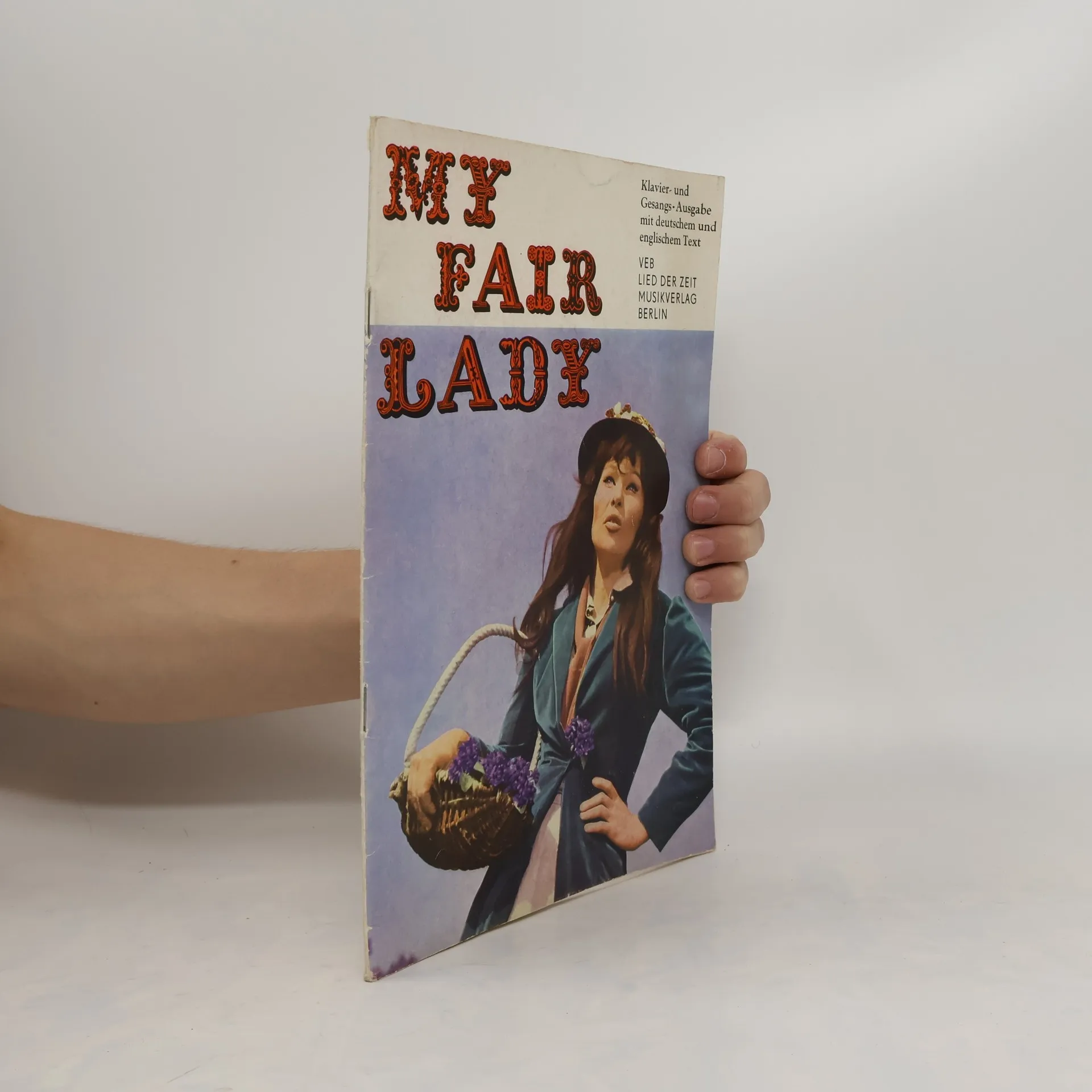
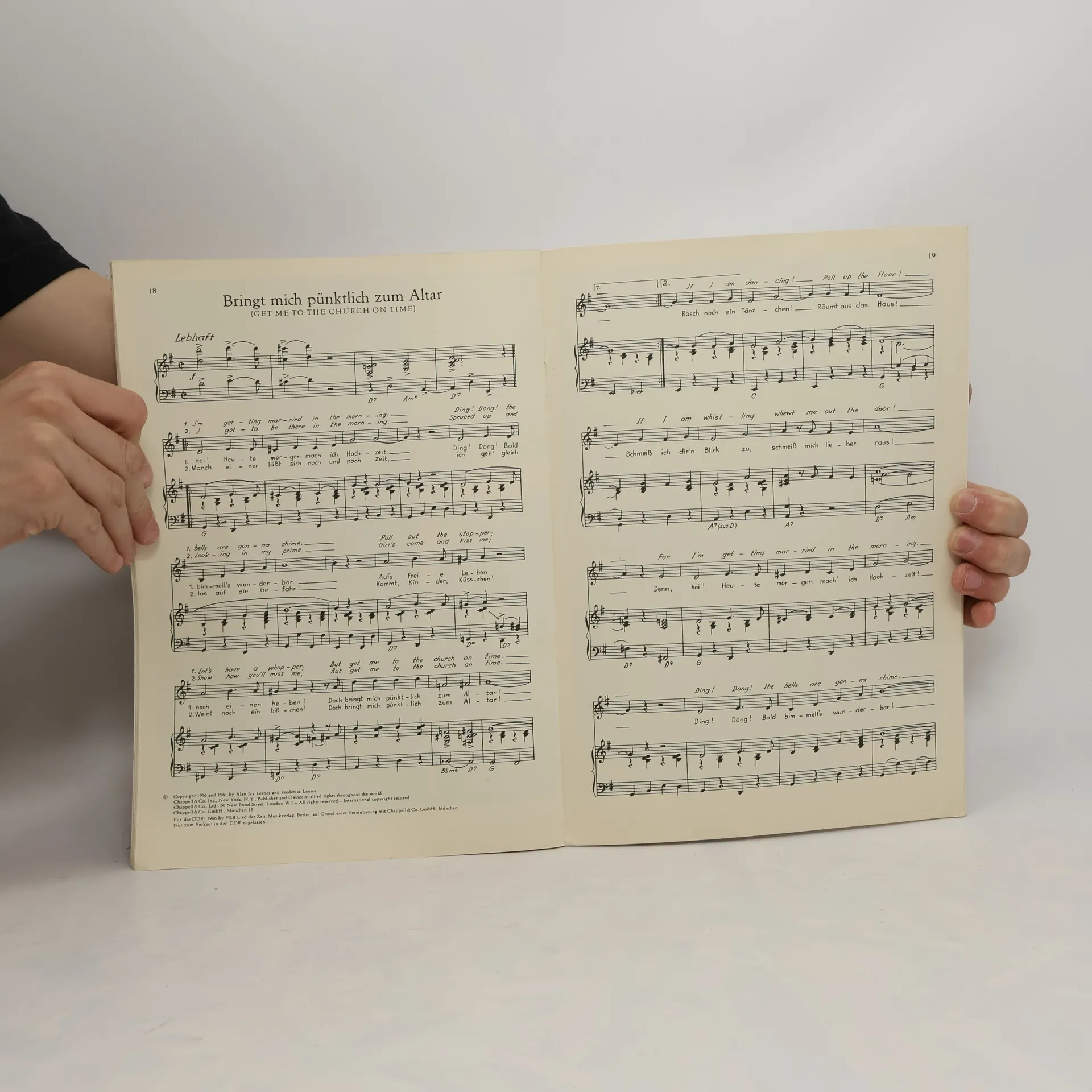
Sparkling with wit, wisdom, and wonderful songs including "I Could Have Danced All Night," "Wouldn’t It Be Loverly," and "Get Me To The Church On Time," this musical play based on Bernard Shaw’s "Pygmalion" has been delighting audiences since its premiere in the 1950s. When overbearing Professor Higgins encounters flower girl Eliza Doolittle in Covent Garden, he recognizes that her poor speech is all that separates her from the upper classes. Higgins wagers that he can transform her into a Duchess in a matter of weeks. However, the story raises questions about identity, class, and the consequences of transformation. As Eliza undergoes her metamorphosis, she grapples with her sense of self and the implications of her newfound status. The narrative explores themes of social mobility and personal agency, ultimately asking what happens to Eliza when the bet is over.
Zakup książki
My Fair Lady, Frederick Loewe
- Język


- Rok wydania
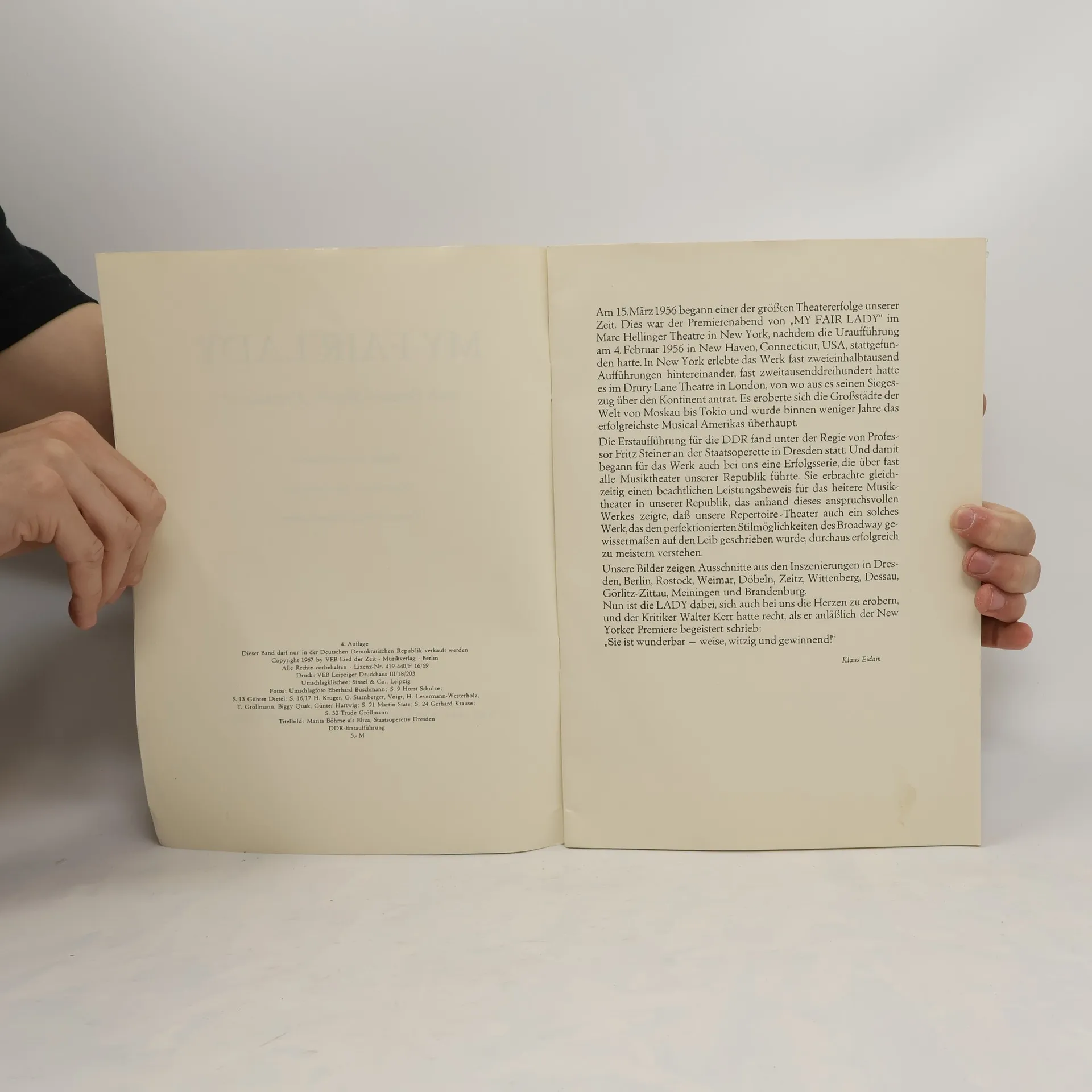
- 1967
- Oprawa
- (zeszytowa)
Metody płatności
Brakuje nam tutaj Twojej recenzji.
- Tytuł
- My Fair Lady
- Język
- angielski, niemiecki
- Autorzy
- Frederick Loewe
- Rok wydania
- 1967
- Oprawa
- zeszytowa
- Seria
- Ocena
- 4,2 z 5
- Opis
- Sparkling with wit, wisdom, and wonderful songs including "I Could Have Danced All Night," "Wouldn’t It Be Loverly," and "Get Me To The Church On Time," this musical play based on Bernard Shaw’s "Pygmalion" has been delighting audiences since its premiere in the 1950s. When overbearing Professor Higgins encounters flower girl Eliza Doolittle in Covent Garden, he recognizes that her poor speech is all that separates her from the upper classes. Higgins wagers that he can transform her into a Duchess in a matter of weeks. However, the story raises questions about identity, class, and the consequences of transformation. As Eliza undergoes her metamorphosis, she grapples with her sense of self and the implications of her newfound status. The narrative explores themes of social mobility and personal agency, ultimately asking what happens to Eliza when the bet is over.