

Więcej o książce
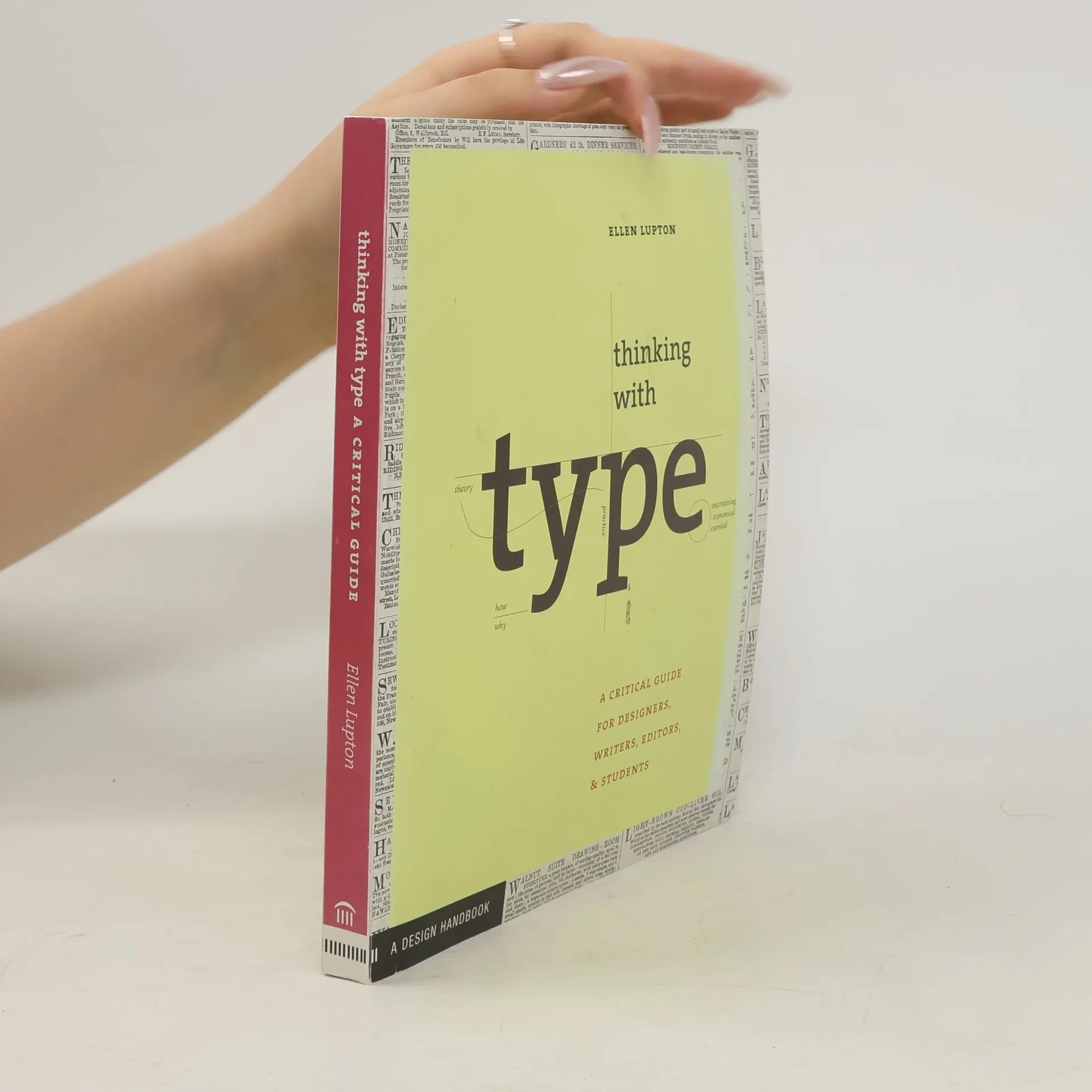
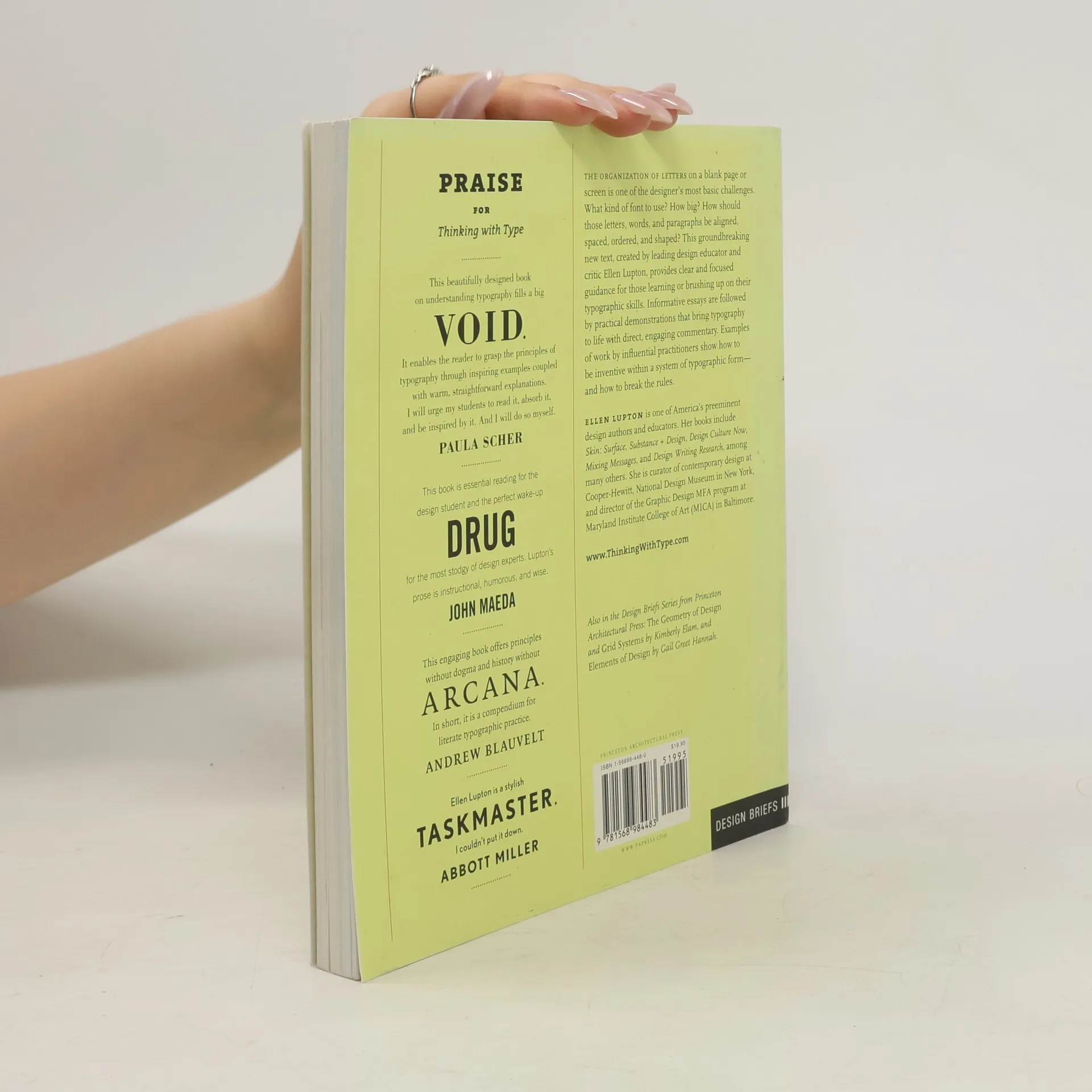
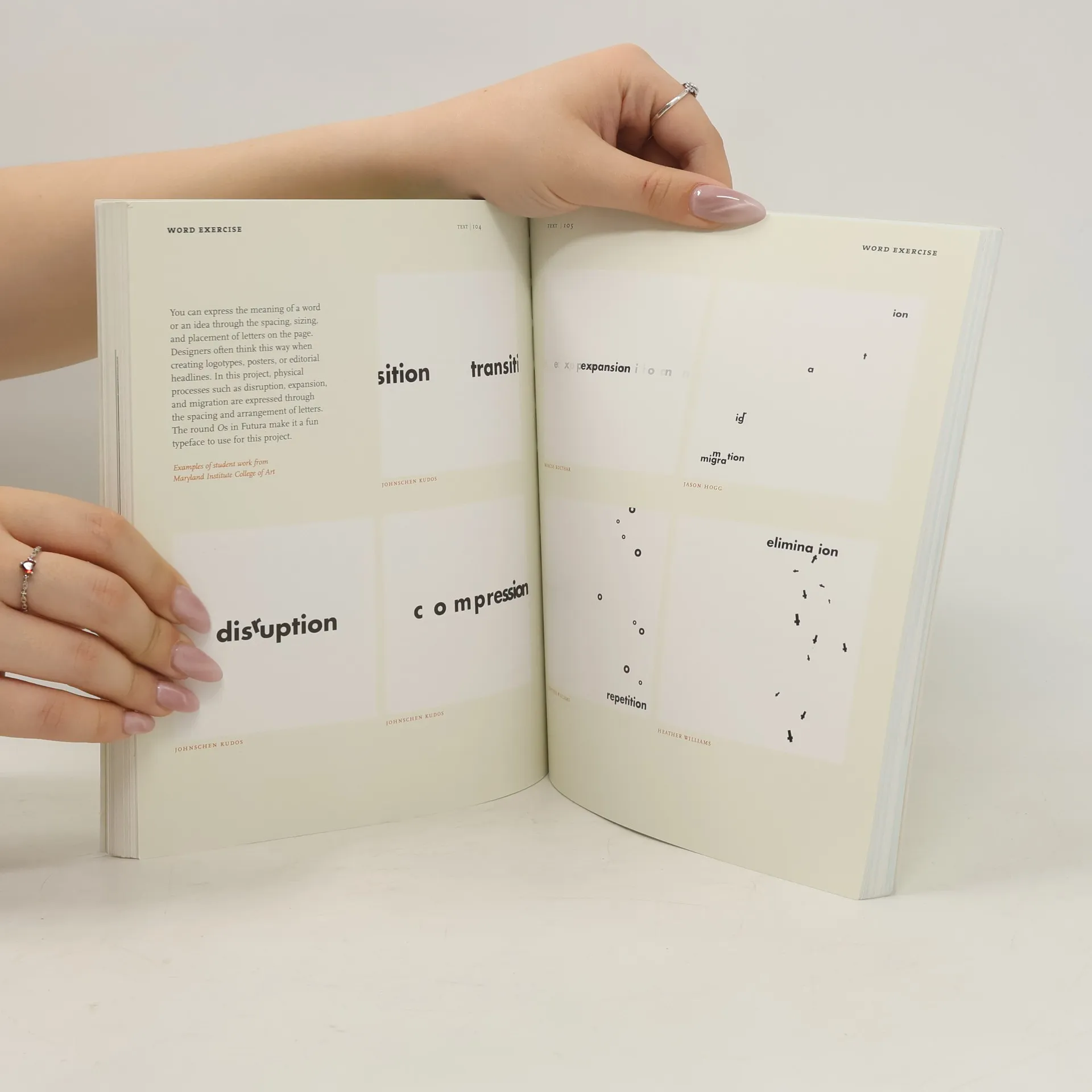
The organization of letters on a blank sheet—or screen—is the most basic challenge facing anyone who practices design. What type of font to use? How big? How should those letters, words, and paragraphs be aligned, spaced, ordered, shaped, and otherwise manipulated? In this groundbreaking new primer, leading design educator and historian Ellen Lupton provides clear and concise guidance for anyone learning or brushing up on their typographic skills. Thinking with Type is divided into three sections: letter, text, and grid. Each section begins with an easy-to-grasp essay that reviews historical, technological, and theoretical concepts, and is then followed by a set of practical exercises that bring the material covered to life. Sections conclude with examples of work by leading practitioners that demonstrate creative possibilities (along with some classic no-no's to avoid).





Zakup książki
Thinking with type, Ellen Lupton
- Język

- Rok wydania
- 2004
- Oprawa
- (miękka)
Metody płatności
Brakuje nam tutaj Twojej recenzji.
- Tytuł
- Thinking with type
- Język
- angielski
- Autorzy
- Ellen Lupton
- Rok wydania
- 2004
- Oprawa
- miękka
- Liczba stron
- 176
- ISBN10
- 1568984480
- ISBN13
- 9781568984483
- Seria
- Kategorie
- Ocena
- 4,1 z 5
- Opis
- The organization of letters on a blank sheet—or screen—is the most basic challenge facing anyone who practices design. What type of font to use? How big? How should those letters, words, and paragraphs be aligned, spaced, ordered, shaped, and otherwise manipulated? In this groundbreaking new primer, leading design educator and historian Ellen Lupton provides clear and concise guidance for anyone learning or brushing up on their typographic skills. Thinking with Type is divided into three sections: letter, text, and grid. Each section begins with an easy-to-grasp essay that reviews historical, technological, and theoretical concepts, and is then followed by a set of practical exercises that bring the material covered to life. Sections conclude with examples of work by leading practitioners that demonstrate creative possibilities (along with some classic no-no's to avoid).