

Więcej o książce
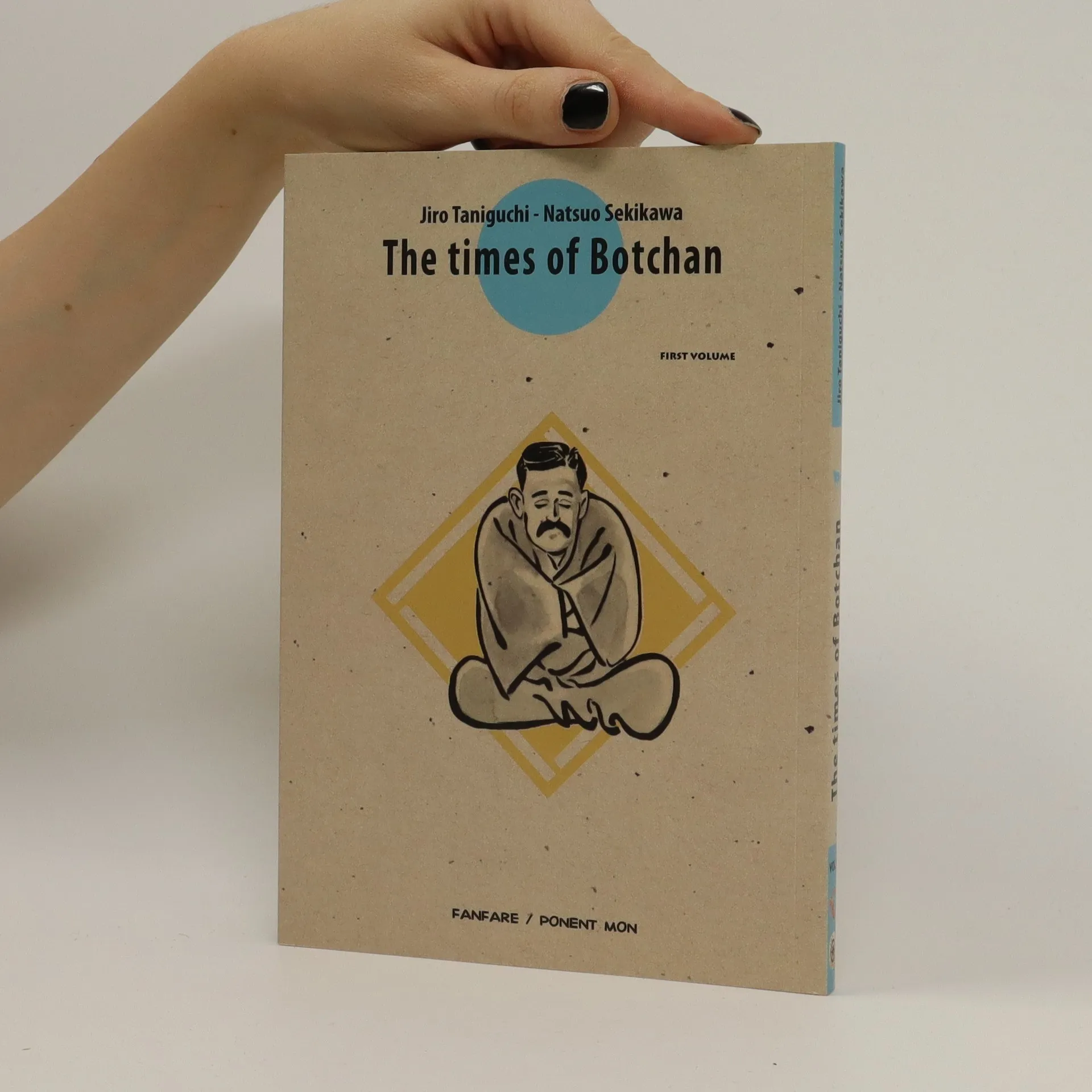
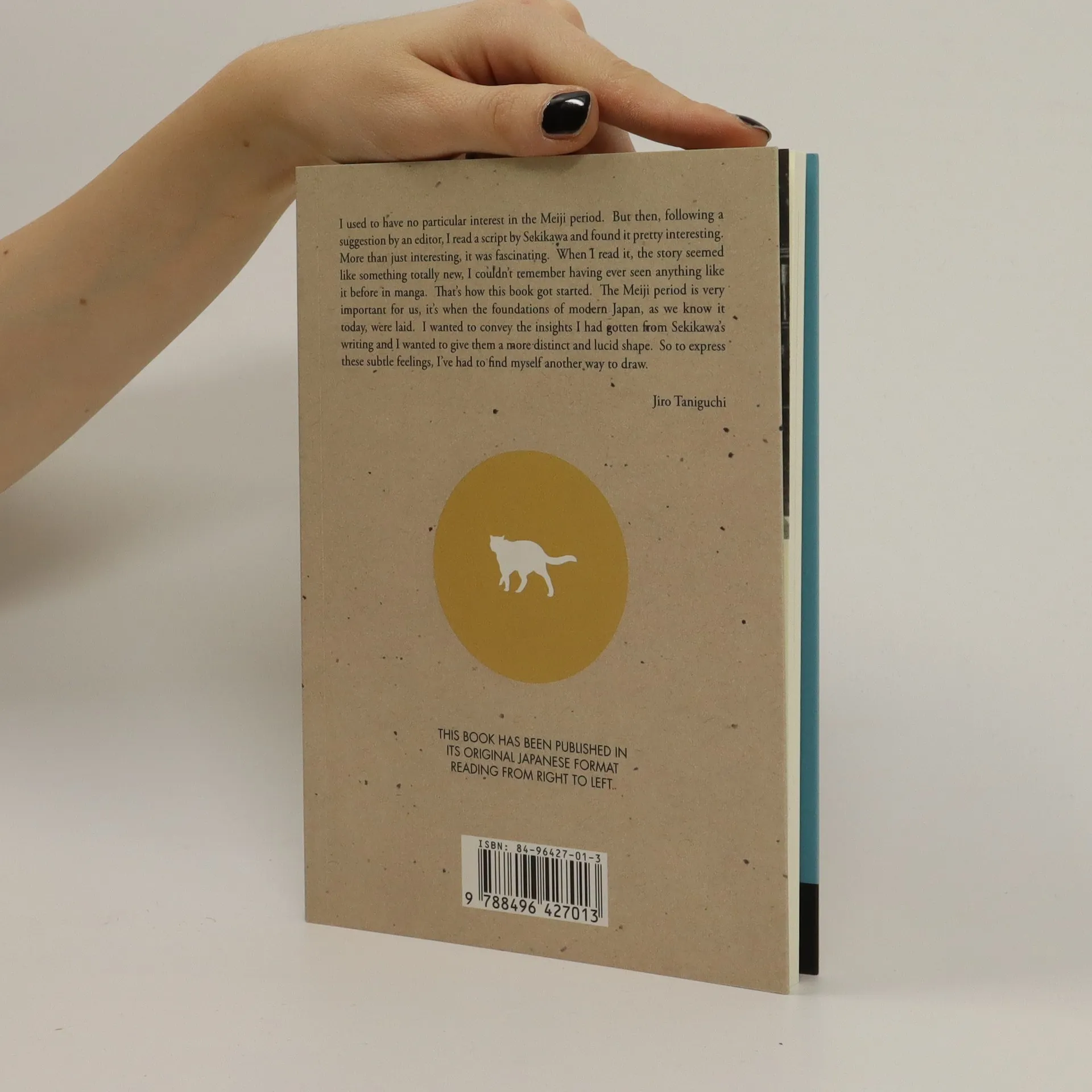
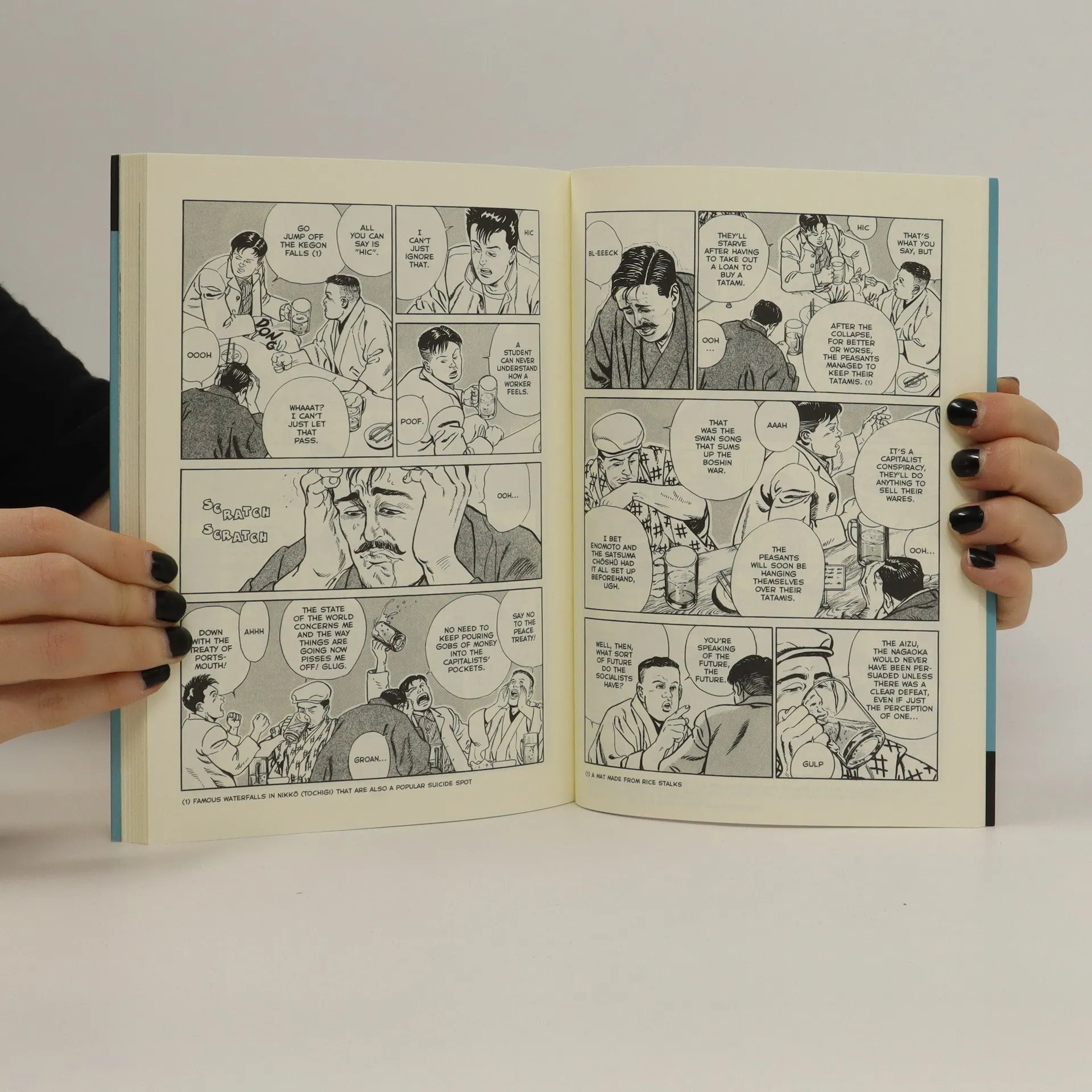
This is the fictionalized version of the life and times of Japanese authorNatsume Soseki during an era of great change in Japan from the traditional Edo period into the modern Meiji period (1867-1912). Soseki is considered the Charles Dickens or Mark Twain of Japan. His image even appeared on the 1000 yen note for two decades. He is best known for his novel Botchan, on whose times this book is based and the short I Am a Cat which is integrated into these pages. In this first volume we meet a circle of Soseki's friends and he receives the spark that will become Botchan. Taniguchi marries talent to a solid script by Sekikawa to create a fresco of Japanese society towards the end of the Meiji period as Japan was beginning to open up to the West. What could have been simply an illustrated textbook becomes, in these capable hands, a narrative for adults of great artistic and historical significance.



Zakup książki
The Times of Botchan, Jirō Taniguchi, Natsuo Sekikawa
- Język

- Rok wydania
- 2005
- Oprawa
- (miękka)
Metody płatności
Brakuje nam tutaj Twojej recenzji.
- Tytuł
- The Times of Botchan
- Język
- angielski
- Autorzy
- Jirō Taniguchi, Natsuo Sekikawa
- Wydawca
- Ponent Mom S L
- Rok wydania
- 2005
- Oprawa
- miękka
- Liczba stron
- 144
- ISBN10
- 8496427013
- ISBN13
- 9788496427013
- Seria
- Ocena
- 3,55 z 5
- Opis
- This is the fictionalized version of the life and times of Japanese authorNatsume Soseki during an era of great change in Japan from the traditional Edo period into the modern Meiji period (1867-1912). Soseki is considered the Charles Dickens or Mark Twain of Japan. His image even appeared on the 1000 yen note for two decades. He is best known for his novel Botchan, on whose times this book is based and the short I Am a Cat which is integrated into these pages. In this first volume we meet a circle of Soseki's friends and he receives the spark that will become Botchan. Taniguchi marries talent to a solid script by Sekikawa to create a fresco of Japanese society towards the end of the Meiji period as Japan was beginning to open up to the West. What could have been simply an illustrated textbook becomes, in these capable hands, a narrative for adults of great artistic and historical significance.