

Parametry
Więcej o książce
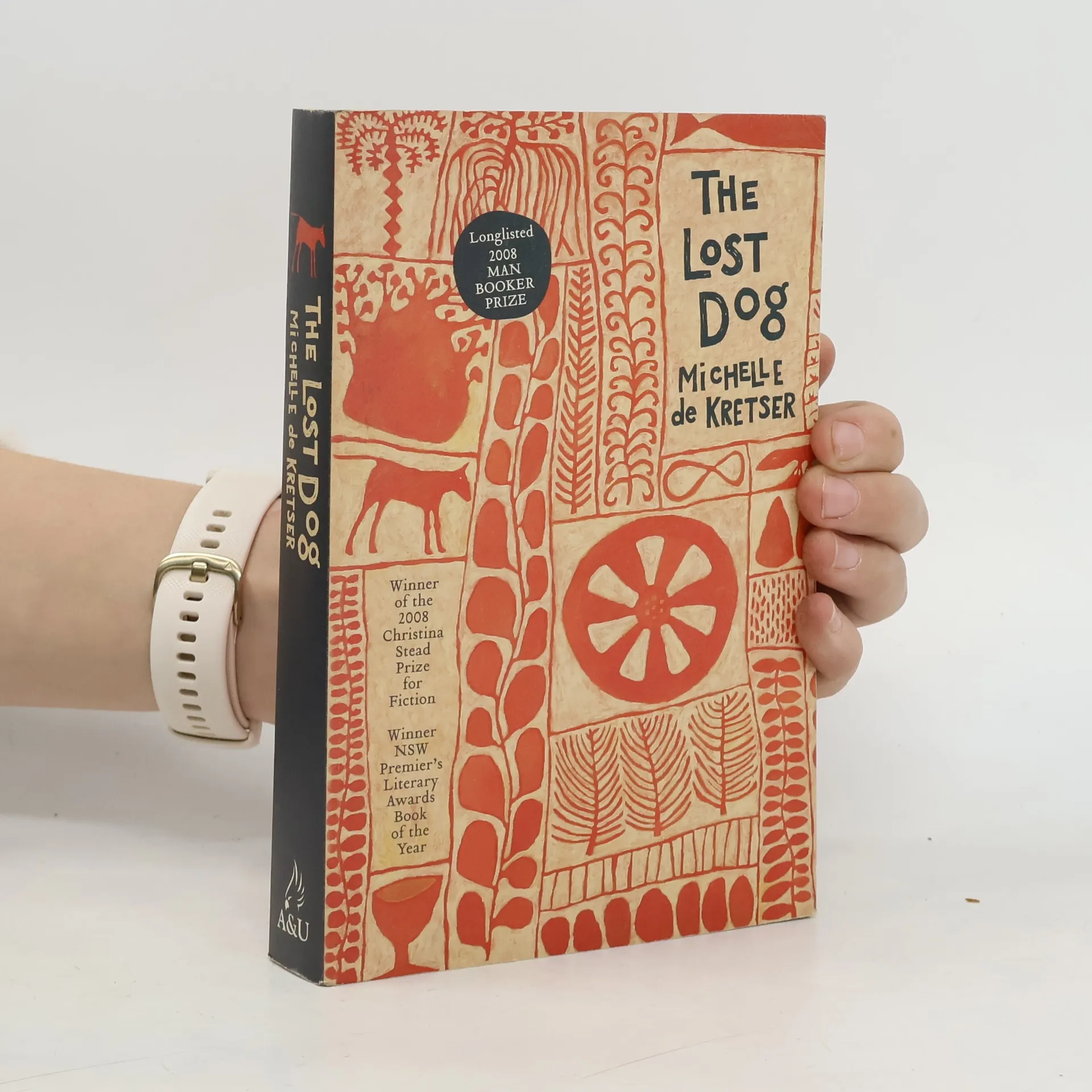
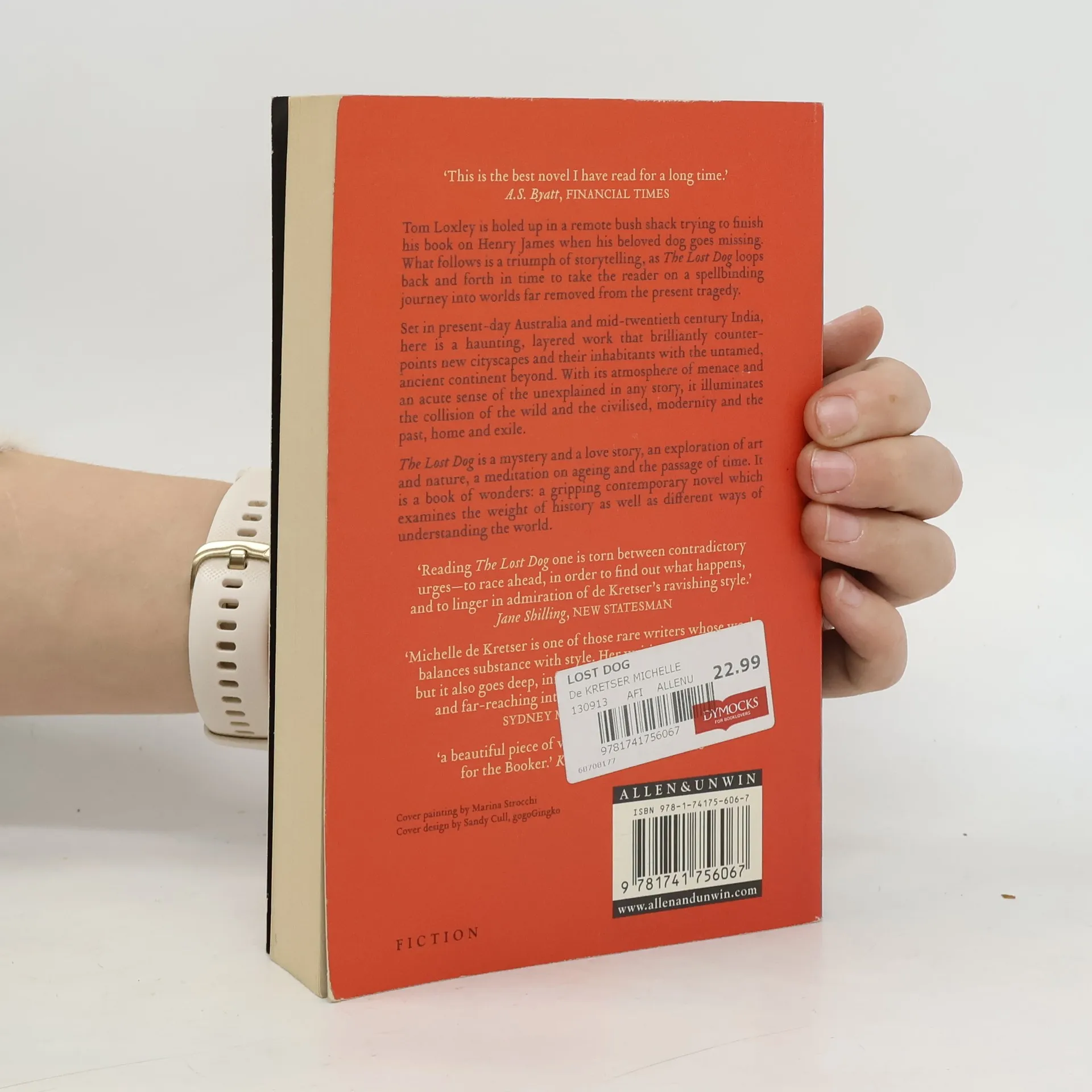
Tom Loxley, an Indian-Australian professor, is less concerned with finishing his book on Henry James than with finding his dog, who is lost in the Australian bush. Joining his daily hunt is Nelly Zhang, an artist whose husband disappeared mysteriously years before Tom met her. Although Nelly helps him search for his beloved pet, Tom isn't sure if he should trust this new friend. Tom has preoccupations other than his book and Nelly and his missing dog, mainly concerning his mother, who is suffering from the various indignities of old age. He is constantly drawn from the cerebral to the primitive--by his mother's infirmities, as well as by Nelly's attractions. THE LOST DOG makes brilliant use of the conventions of suspense and atmosphere while leading us to see anew the ever-present conflicts between our bodies and our minds, the present and the past, the primal and the civilized.


Zakup książki
The Lost Dog, Michelle De Kretser
- Język

- Rok wydania
- 2008
- Oprawa
- (miękka)
Metody płatności
Brakuje nam tutaj Twojej recenzji.
- Tytuł
- The Lost Dog
- Język
- angielski
- Autorzy
- Michelle De Kretser
- Wydawca
- Allen & Unwin
- Rok wydania
- 2008
- Oprawa
- miękka
- ISBN10
- 1741756065
- ISBN13
- 9781741756067
- Seria
- Kategorie
- Ocena
- 2,85 z 5
- Opis
- Tom Loxley, an Indian-Australian professor, is less concerned with finishing his book on Henry James than with finding his dog, who is lost in the Australian bush. Joining his daily hunt is Nelly Zhang, an artist whose husband disappeared mysteriously years before Tom met her. Although Nelly helps him search for his beloved pet, Tom isn't sure if he should trust this new friend. Tom has preoccupations other than his book and Nelly and his missing dog, mainly concerning his mother, who is suffering from the various indignities of old age. He is constantly drawn from the cerebral to the primitive--by his mother's infirmities, as well as by Nelly's attractions. THE LOST DOG makes brilliant use of the conventions of suspense and atmosphere while leading us to see anew the ever-present conflicts between our bodies and our minds, the present and the past, the primal and the civilized.