

Więcej o książce
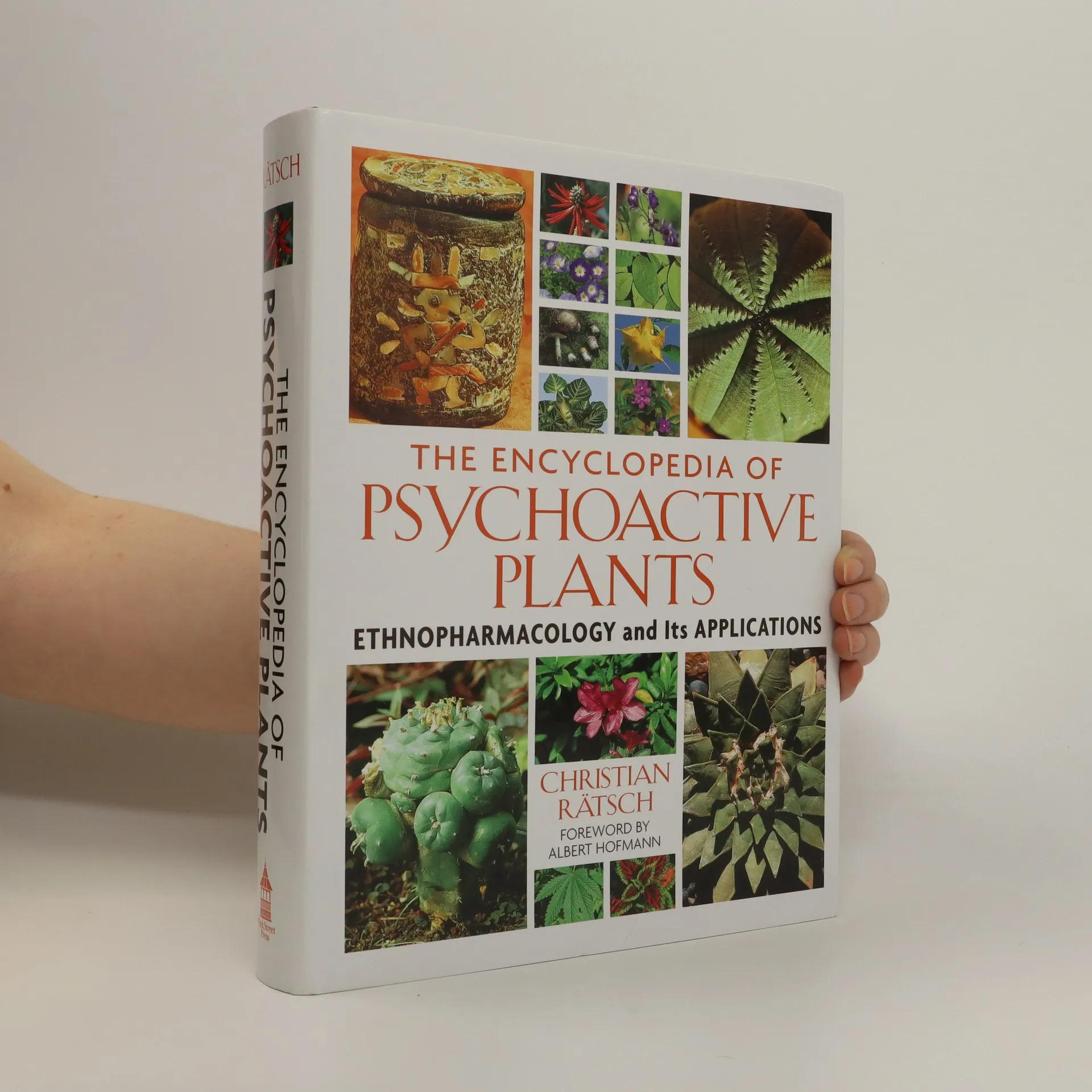
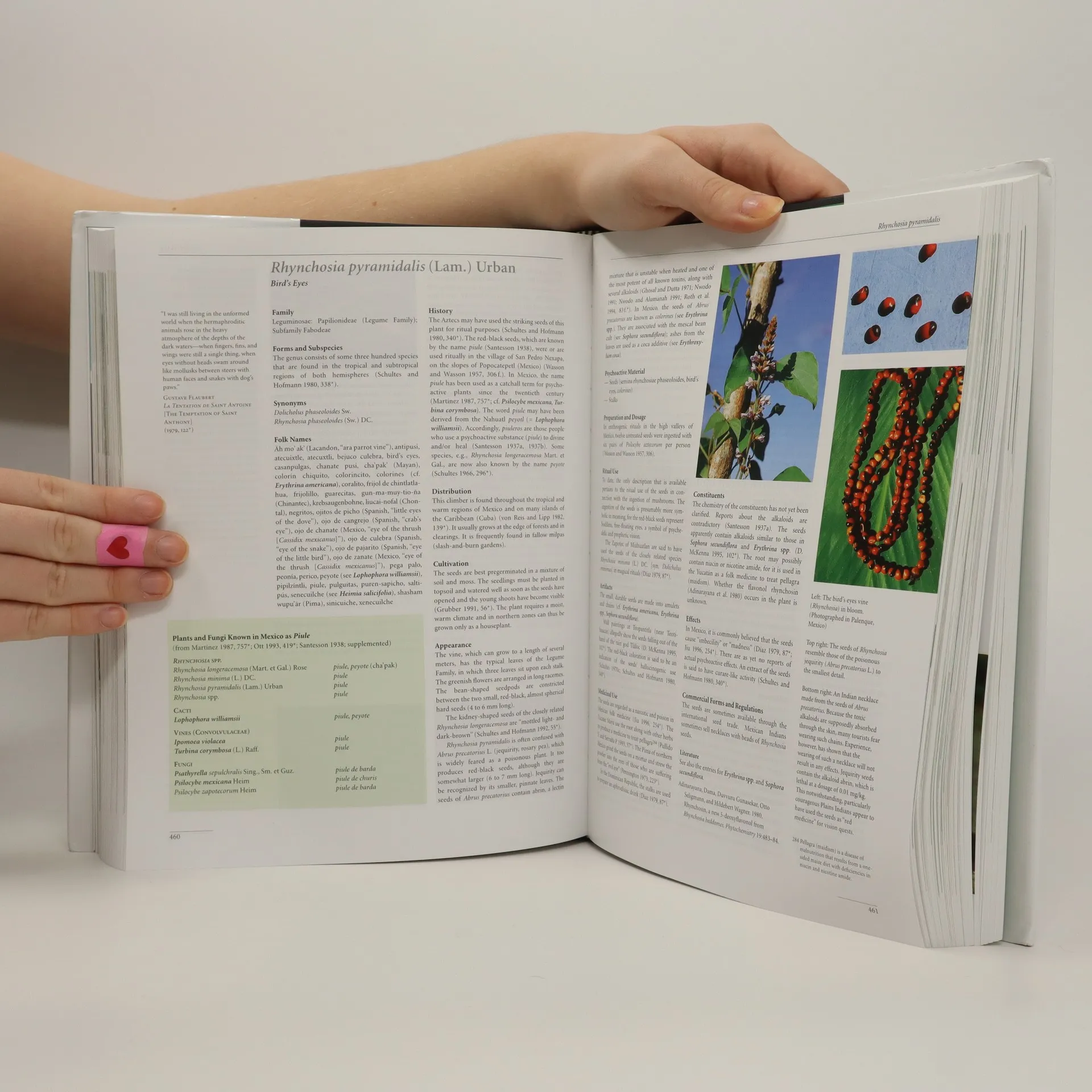
This comprehensive guide covers the botany, history, distribution, and cultivation of 414 psychoactive plants and related substances. It explores how culturally sanctioned use of these plants can provide insights into the nature of reality and includes 797 color photographs along with 645 black-and-white illustrations. Throughout history, plants have been valued for their nourishing, healing, and transformative properties, with the most powerful ones often regarded as sacred. The author details the botany, history, and preparation of over 400 psychoactive plants, discussing their ritual and medicinal uses, as well as cultural artifacts and art inspired by them. The text begins with 168 well-known psychoactives, such as cannabis and datura, and expands to include 133 lesser-known substances, “legal highs,” and plants from mythological contexts. Additionally, it covers products like ayahuasca, incense, and soma. Lavishly illustrated with images from the author’s global fieldwork, the book showcases the people, ceremonies, and art associated with the ritual use of these sacred psychoactives.

Zakup książki
The encyclopedia of psychoactive plants, Christian Rätsch, Albert Hofmann, John Robin Baker, Annabel Lee, Cornelia Ballent
- Język

- Rok wydania
- 2005
- Oprawa
- (twarda)
Metody płatności
Brakuje nam tutaj Twojej recenzji.
- Tytuł
- The encyclopedia of psychoactive plants
- Język
- angielski
- Wydawca
- Park Street Press
- Rok wydania
- 2005
- Oprawa
- twarda
- Liczba stron
- 944
- ISBN10
- 0892819782
- ISBN13
- 9780892819782
- Seria
- Oryginalna nazwa
- Enzyklopädie der psychoaktiven Pflanzen
- Ocena
- 4,7 z 5
- Opis
- This comprehensive guide covers the botany, history, distribution, and cultivation of 414 psychoactive plants and related substances. It explores how culturally sanctioned use of these plants can provide insights into the nature of reality and includes 797 color photographs along with 645 black-and-white illustrations. Throughout history, plants have been valued for their nourishing, healing, and transformative properties, with the most powerful ones often regarded as sacred. The author details the botany, history, and preparation of over 400 psychoactive plants, discussing their ritual and medicinal uses, as well as cultural artifacts and art inspired by them. The text begins with 168 well-known psychoactives, such as cannabis and datura, and expands to include 133 lesser-known substances, “legal highs,” and plants from mythological contexts. Additionally, it covers products like ayahuasca, incense, and soma. Lavishly illustrated with images from the author’s global fieldwork, the book showcases the people, ceremonies, and art associated with the ritual use of these sacred psychoactives.