


Seria
Więcej o książce
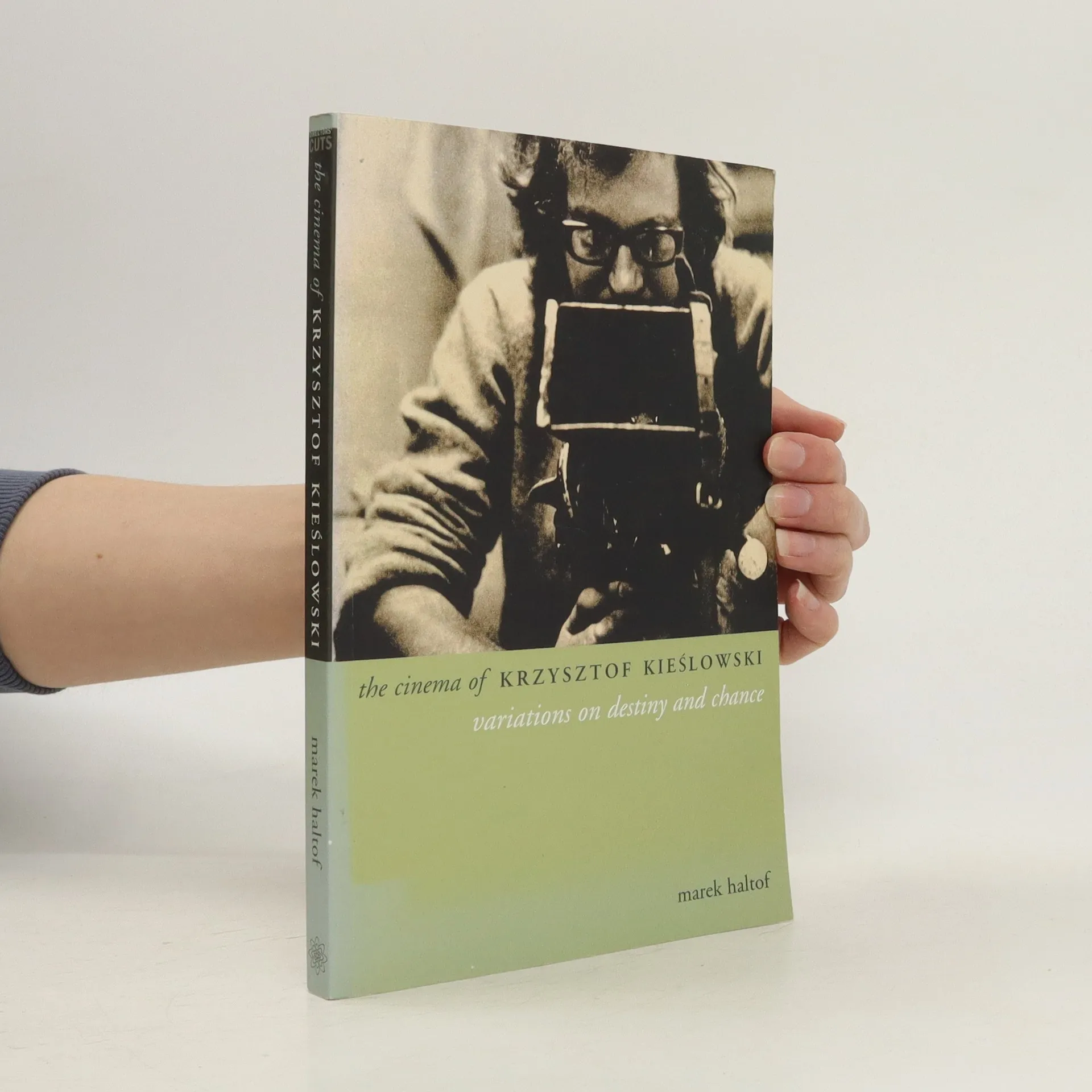
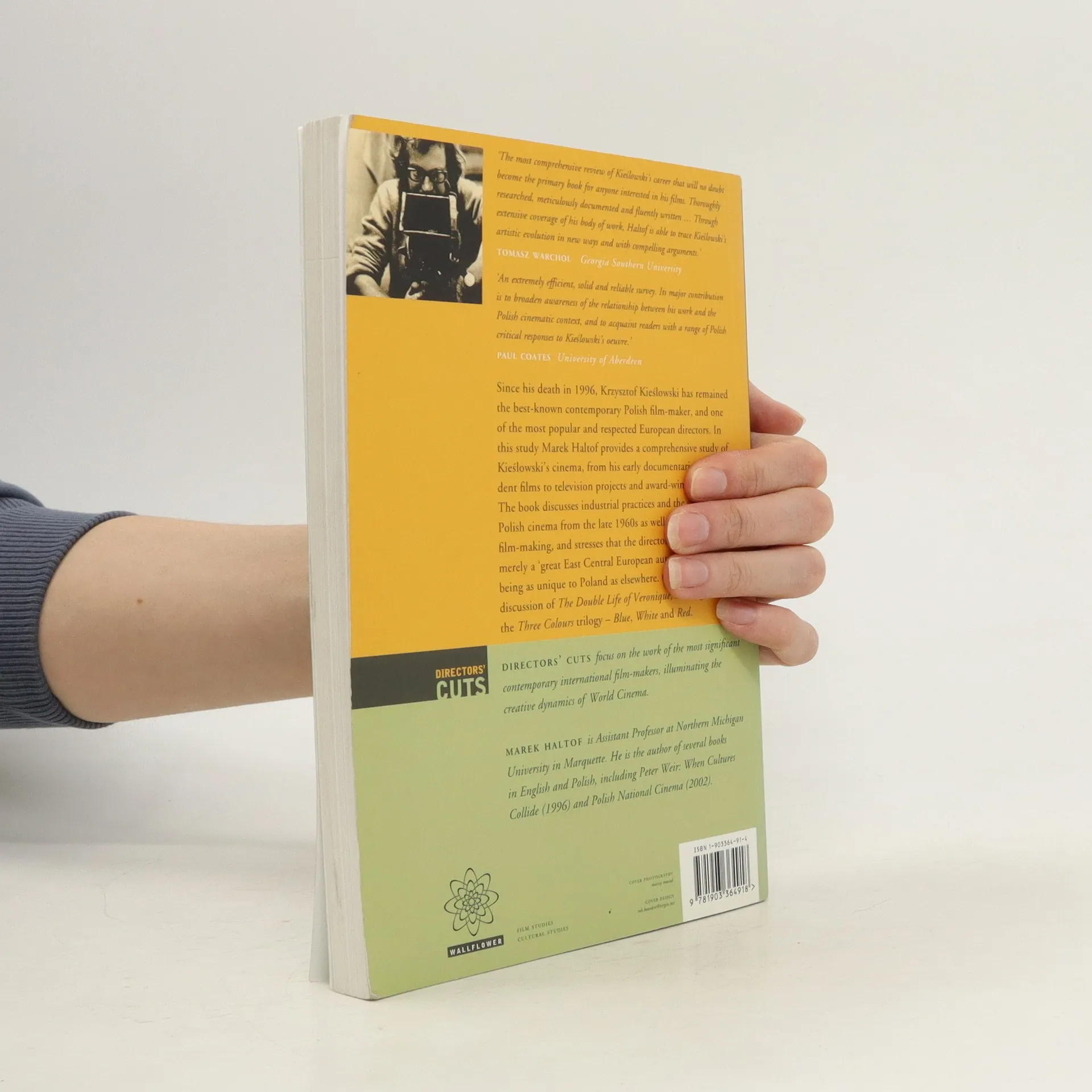
Since his death in 1996, Krzysztof Kieslowski has remained the best-known contemporary Polish filmmaker and one of the most popular and respected European directors, internationally renowned for his ambitious Decalogue and Three Colors trilogy.In this new addition to the Directors'Cuts series, Marek Haltof provides a comprehensive study of Kieslowski's cinema, discussing industrial practices in Poland and stressing that the director did not fit the traditional image of a "great" East-Central European auteur. He draws a fascinating portrait of the stridently independent director's work, noting that Kieslowski was not afraid to express unpopular views in film or in life. Haltof also shows how the director's work remains unique in the context of Polish documentary and narrative cinema.

Zakup książki
Cinema of Krzysztof Kieślowski: Variations on Destiny and Chance, Marek Haltof
- Język

- Rok wydania
- 2004
- Oprawa
- (miękka)
Metody płatności
Brakuje nam tutaj Twojej recenzji.
- Tytuł
- Cinema of Krzysztof Kieślowski: Variations on Destiny and Chance
- Język
- angielski
- Autorzy
- Marek Haltof
- Wydawca
- Wallflower Press
- Rok wydania
- 2004
- Oprawa
- miękka
- ISBN10
- 1903364914
- ISBN13
- 9781903364918
- Seria
- Directors' Cuts
- Pierwsze wydanie
- 2006
- Oryginalna nazwa
- The Cinema of Krzysztof Kieślowski
- Ocena
- 3,7 z 5
- Opis
- Since his death in 1996, Krzysztof Kieslowski has remained the best-known contemporary Polish filmmaker and one of the most popular and respected European directors, internationally renowned for his ambitious Decalogue and Three Colors trilogy.In this new addition to the Directors'Cuts series, Marek Haltof provides a comprehensive study of Kieslowski's cinema, discussing industrial practices in Poland and stressing that the director did not fit the traditional image of a "great" East-Central European auteur. He draws a fascinating portrait of the stridently independent director's work, noting that Kieslowski was not afraid to express unpopular views in film or in life. Haltof also shows how the director's work remains unique in the context of Polish documentary and narrative cinema.