

Więcej o książce
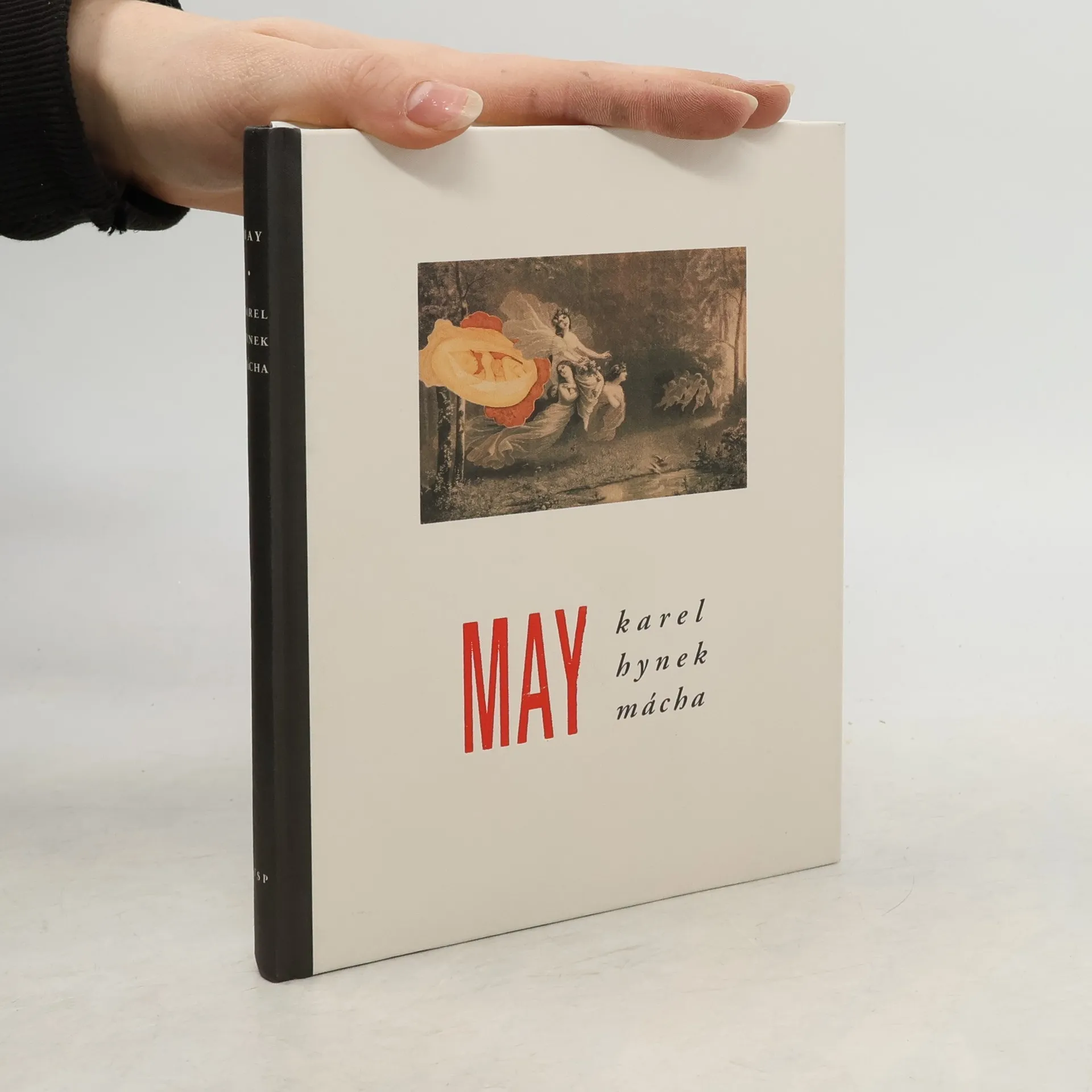
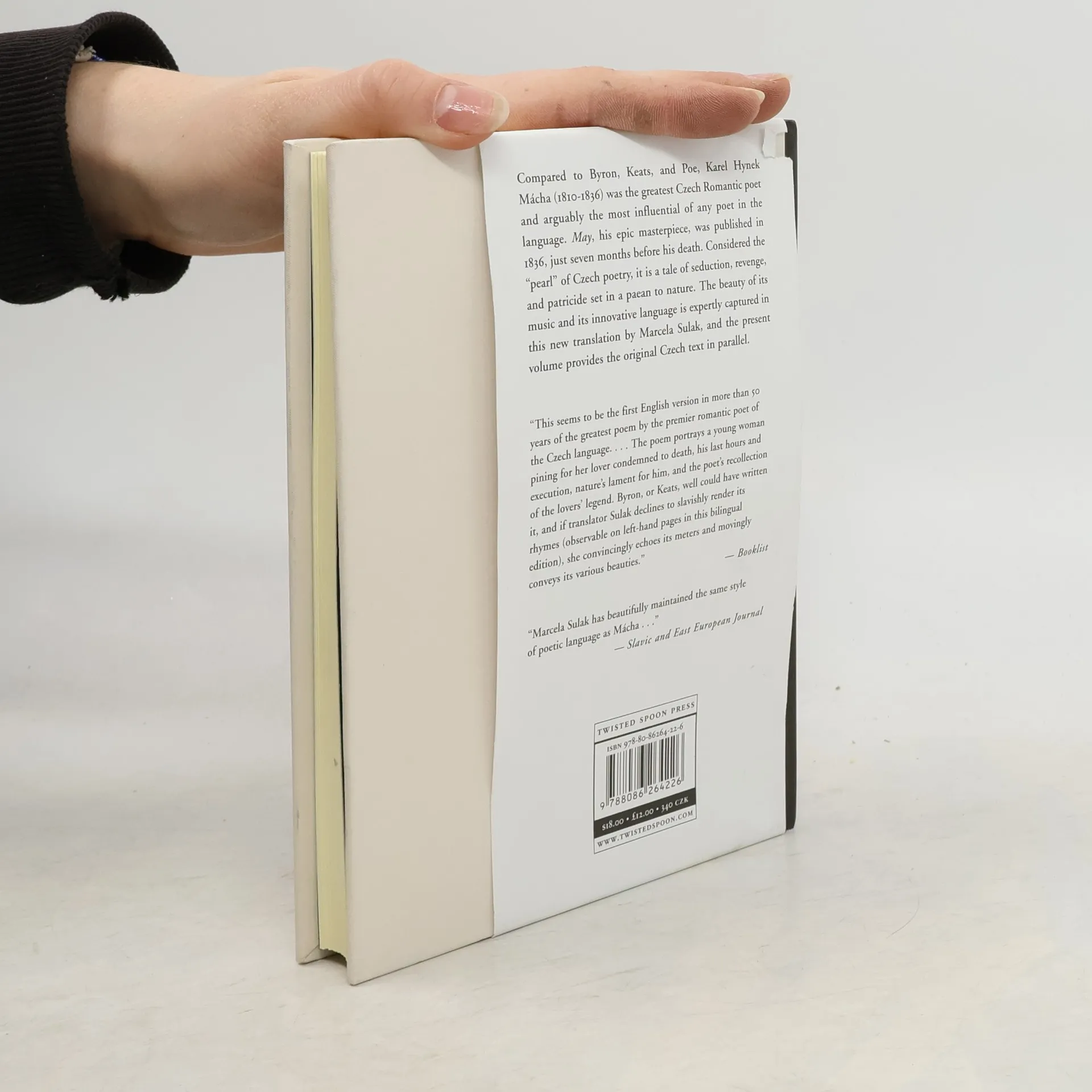
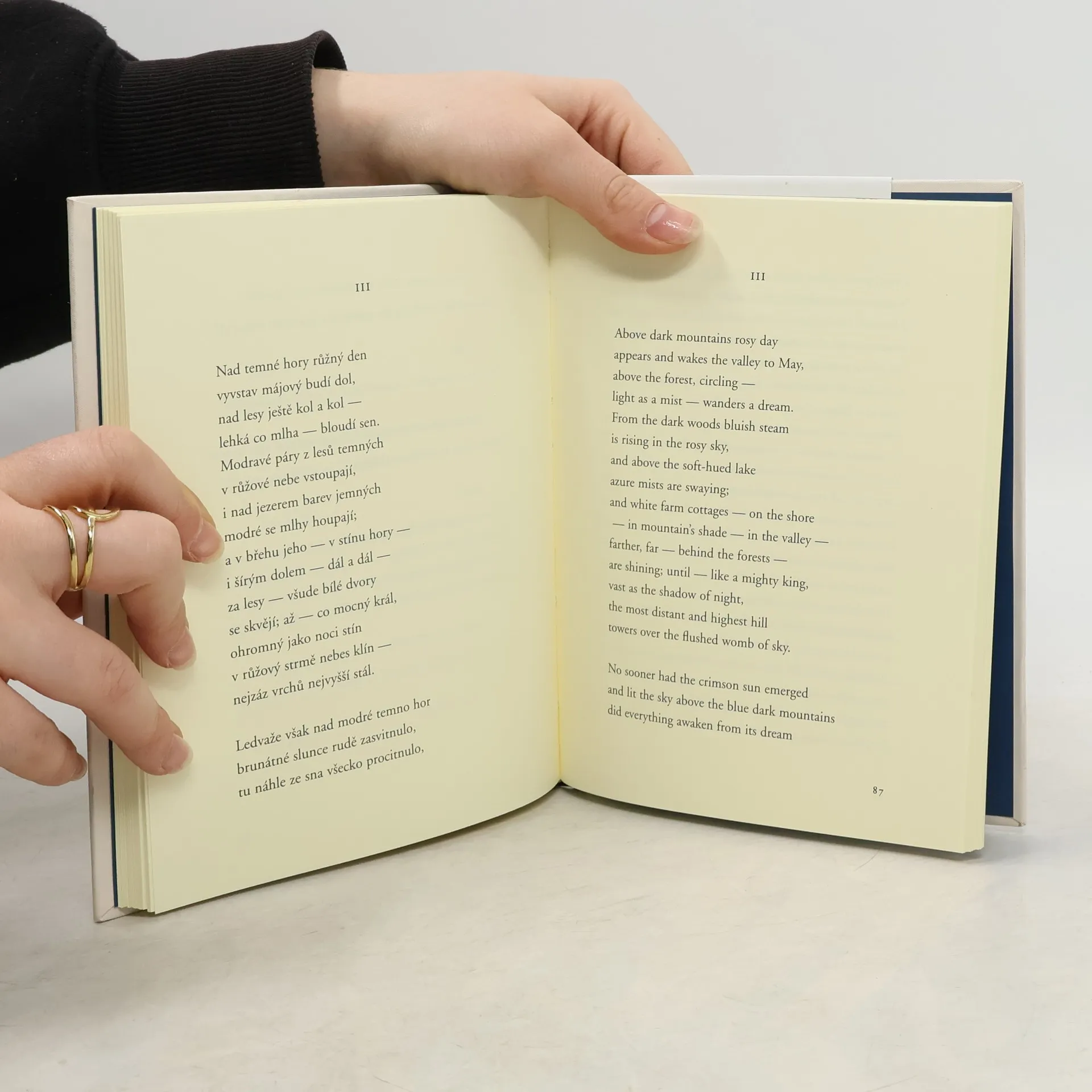
Often compared to Byron, Keats, Shelley, and Poe, called Lautreamont's "elder brother" by the Czech Surrealists, Karel Hynek Mácha (1810-1836) was the greatest Czech Romantic poet, and arguably the most influential of any poet in the language. May, his epic masterpiece, was published in April 1836, just seven months before his death. Considered the "pearl" of Czech poetry, it is a tale of seduction, revenge, and patricide. A paean as well to nature, the beauty of its music and its innovative use of language, expertly captured in this new translation by Marcela Sulak, has ensured the poem's lasting popularity. Scorned at first by the national revivalists of the 19th century for being "un-Czech," Mácha was held up as a "national" poet by later generations, a fate which the interwar Czech avant-garde, who considered him a precursor, took it upon themselves to reverse.Unlike the other seminal 19th-century European poets, Mácha's work has been largely ignored in English translation. The present volume, the only available in English, provides the original Czech text in parallel and includes a series of illustrations by Jindřich Štyrský specifically created for the poem.
Zakup książki
May = Máj, Karel Hynek Mácha
- Język


- Rok wydania
- 2005
- Oprawa
- (twarda)
Metody płatności
Brakuje nam tutaj Twojej recenzji.
- Tytuł
- May = Máj
- Język
- czeski, angielski
- Autorzy
- Karel Hynek Mácha
- Wydawca
- Twisted Spoon Press
- Rok wydania
- 2005
- Oprawa
- twarda
- Liczba stron
- 121
- ISBN10
- 808626422X
- ISBN13
- 9788086264226
- Seria
- Tagi
- Miłość, Śmierć, Czeska poezja, Wydanie dwujęzyczne, Lektury obowiązkowe, Matura, Czescy poeci, Karel Hynek Mácha
- Pierwsze wydanie
- 1836
- Oryginalna nazwa
- Máj
- Ocena
- 3,6 z 5
- Opis
- Often compared to Byron, Keats, Shelley, and Poe, called Lautreamont's "elder brother" by the Czech Surrealists, Karel Hynek Mácha (1810-1836) was the greatest Czech Romantic poet, and arguably the most influential of any poet in the language. May, his epic masterpiece, was published in April 1836, just seven months before his death. Considered the "pearl" of Czech poetry, it is a tale of seduction, revenge, and patricide. A paean as well to nature, the beauty of its music and its innovative use of language, expertly captured in this new translation by Marcela Sulak, has ensured the poem's lasting popularity. Scorned at first by the national revivalists of the 19th century for being "un-Czech," Mácha was held up as a "national" poet by later generations, a fate which the interwar Czech avant-garde, who considered him a precursor, took it upon themselves to reverse.Unlike the other seminal 19th-century European poets, Mácha's work has been largely ignored in English translation. The present volume, the only available in English, provides the original Czech text in parallel and includes a series of illustrations by Jindřich Štyrský specifically created for the poem.