

Parametry
Więcej o książce
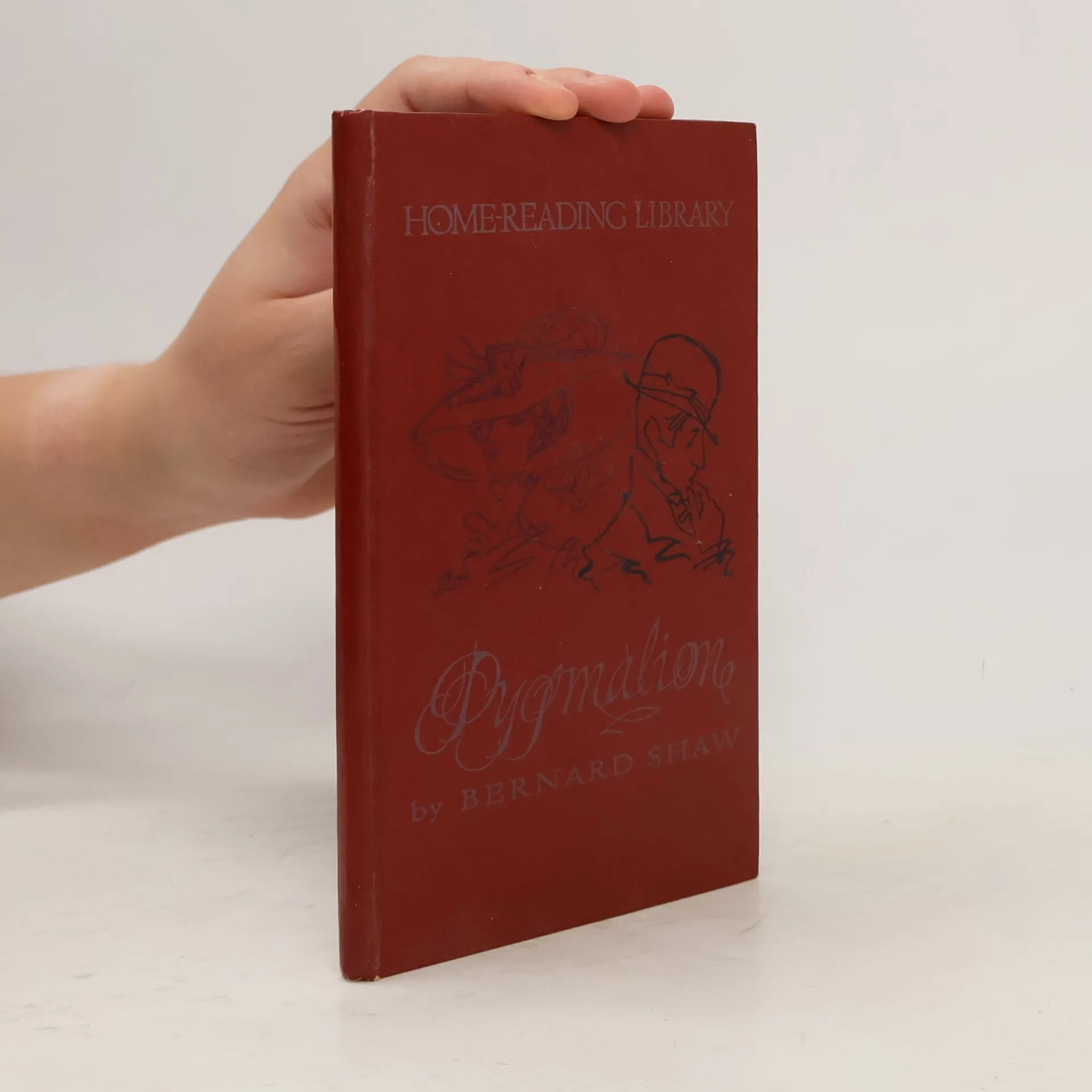
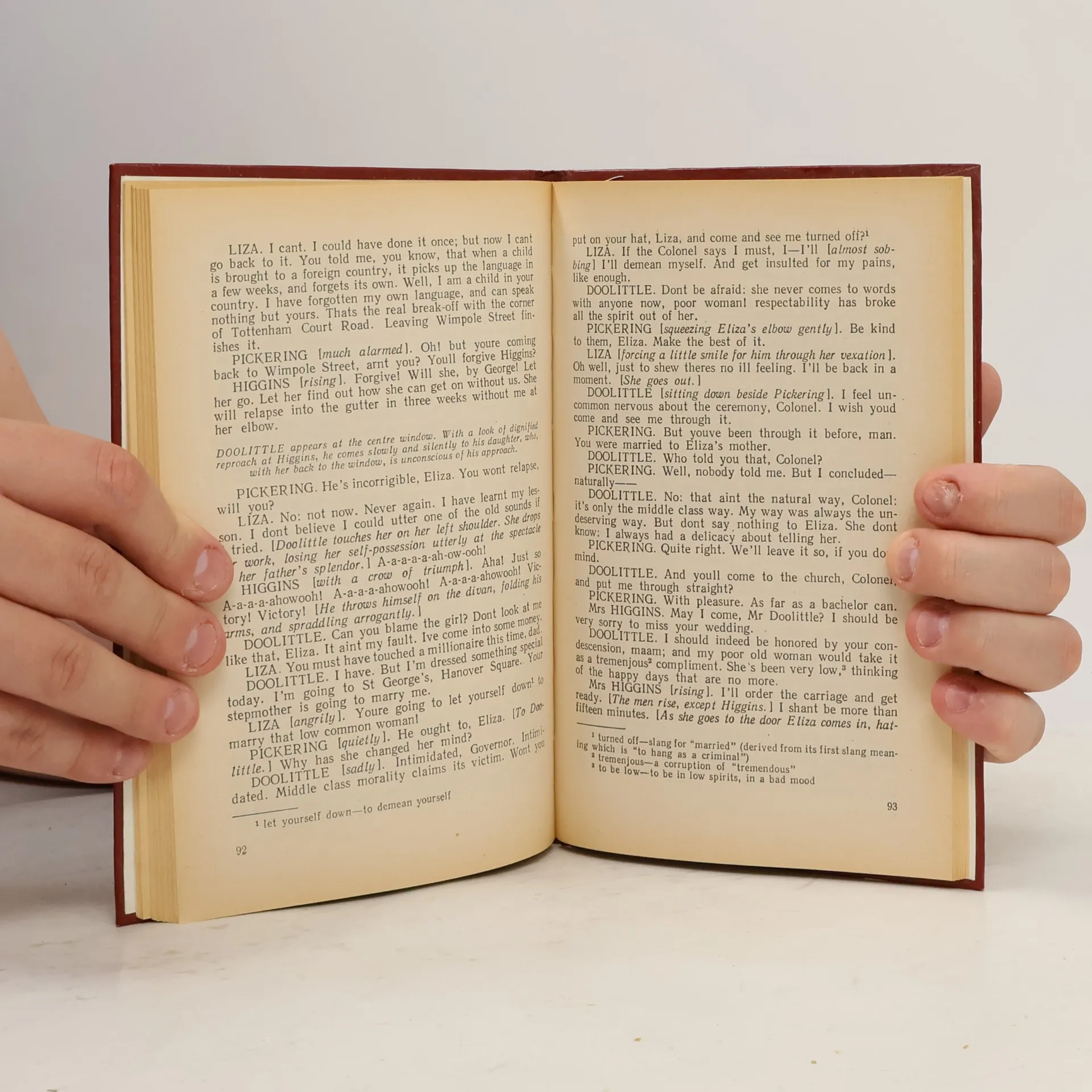
A professor bets a friend that he can teach a young flower girl to speak and behave like a duchess, so that in a few months no one will be able to tell the difference. The story of Shaw's play, echoing the fairy tale of Cinderella, is simple yet filled with charming nuances and a distinctly British, sharp sense of humor—reading it feels as if Shaw himself invented much of British wit. Each line fills us with joyful anticipation for what comes next, and the characters are real, vibrant English people. The complexity of human relationships is refreshing, especially when the characters come from different social classes. Eliza possesses the talent and desire to understand more, and despite her youth, she knows that every change brings both gain and loss. To conform too much to societal pressure means losing one's individuality, the most precious thing—oneself. Thus, it is not surprising that the one with better manners is not Professor Higgins, who ultimately learns that no one has the right to another's life, and that no one can be fully owned. Despite this truth, the play hints at a happy ending.

Zakup książki
Pygmalion, Bernard Shaw
- Język


- Rok wydania
- 1972
- Oprawa
- (twarda),
- Stan książki
- Dobry
- Cena
- 24,85 zł
Metody płatności
Brakuje nam tutaj Twojej recenzji.
- Tytuł
- Pygmalion
- Język
- angielski, rosyjski
- Autorzy
- Bernard Shaw
- Wydawca
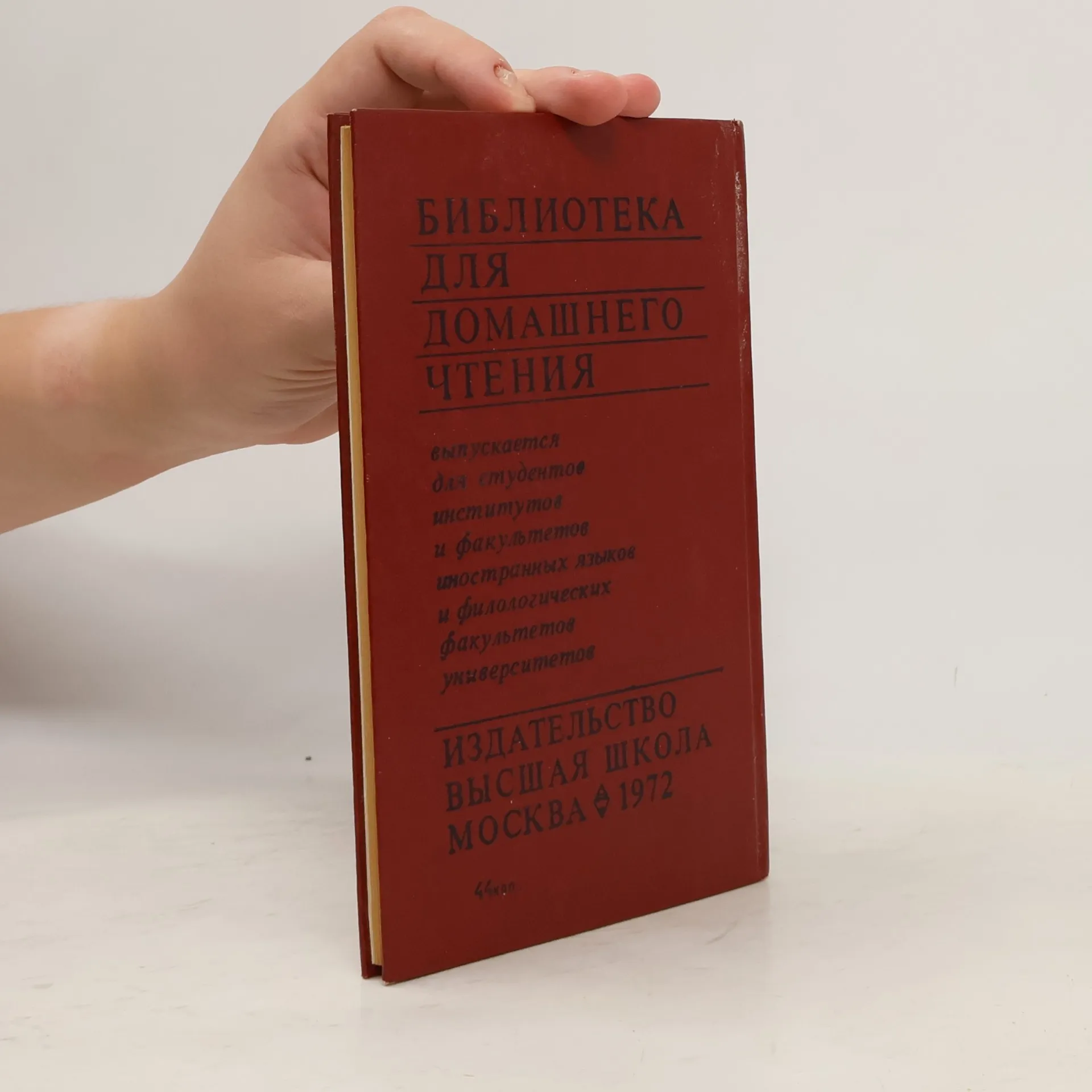
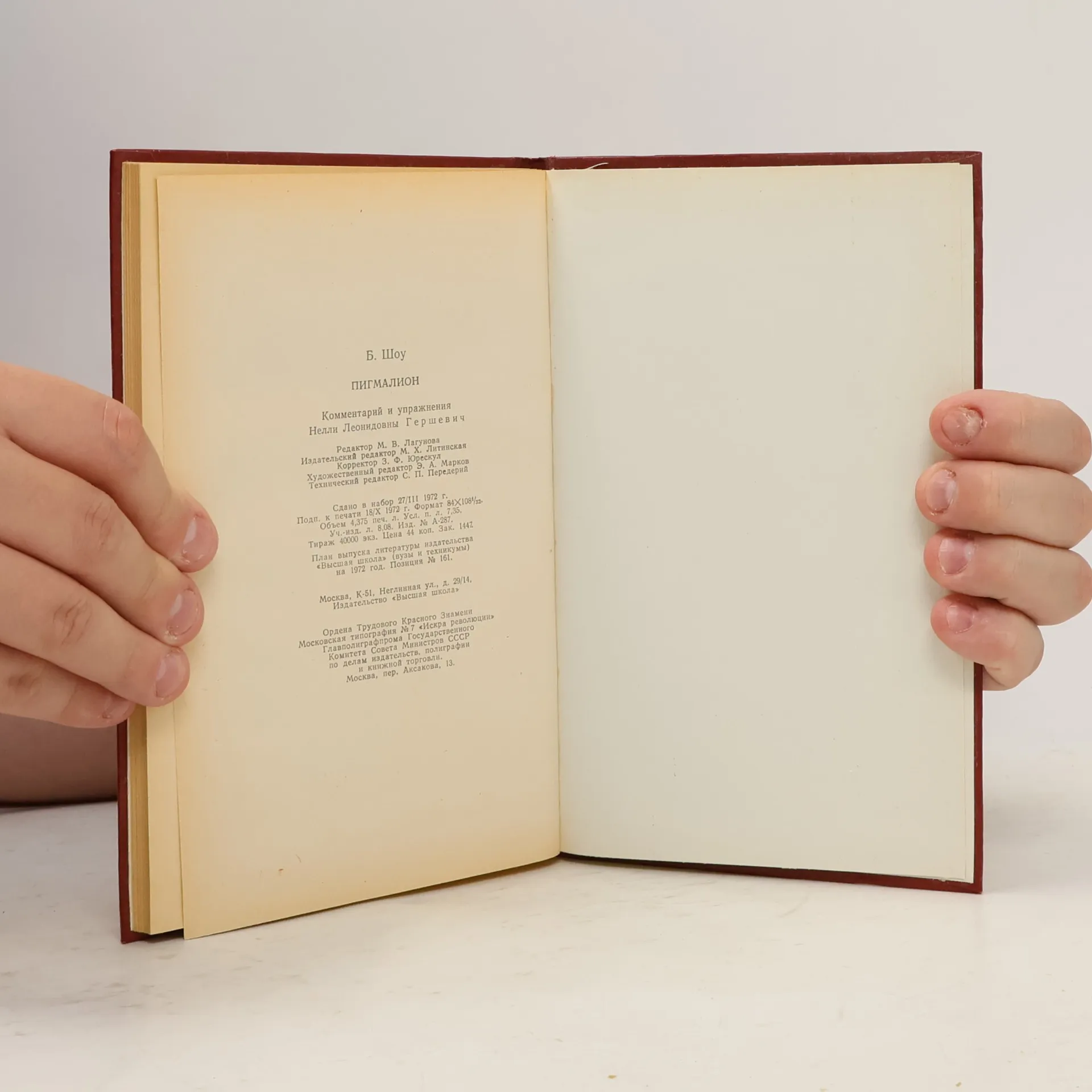
- Vysšaja škola
- Rok wydania
- 1972
- Oprawa
- twarda
- Seria
- Pierwsze wydanie
- 1912
- Oryginalna nazwa
- Pygmalion
- Ocena
- 4,15 z 5
- Opis
- A professor bets a friend that he can teach a young flower girl to speak and behave like a duchess, so that in a few months no one will be able to tell the difference. The story of Shaw's play, echoing the fairy tale of Cinderella, is simple yet filled with charming nuances and a distinctly British, sharp sense of humor—reading it feels as if Shaw himself invented much of British wit. Each line fills us with joyful anticipation for what comes next, and the characters are real, vibrant English people. The complexity of human relationships is refreshing, especially when the characters come from different social classes. Eliza possesses the talent and desire to understand more, and despite her youth, she knows that every change brings both gain and loss. To conform too much to societal pressure means losing one's individuality, the most precious thing—oneself. Thus, it is not surprising that the one with better manners is not Professor Higgins, who ultimately learns that no one has the right to another's life, and that no one can be fully owned. Despite this truth, the play hints at a happy ending.