

Więcej o książce
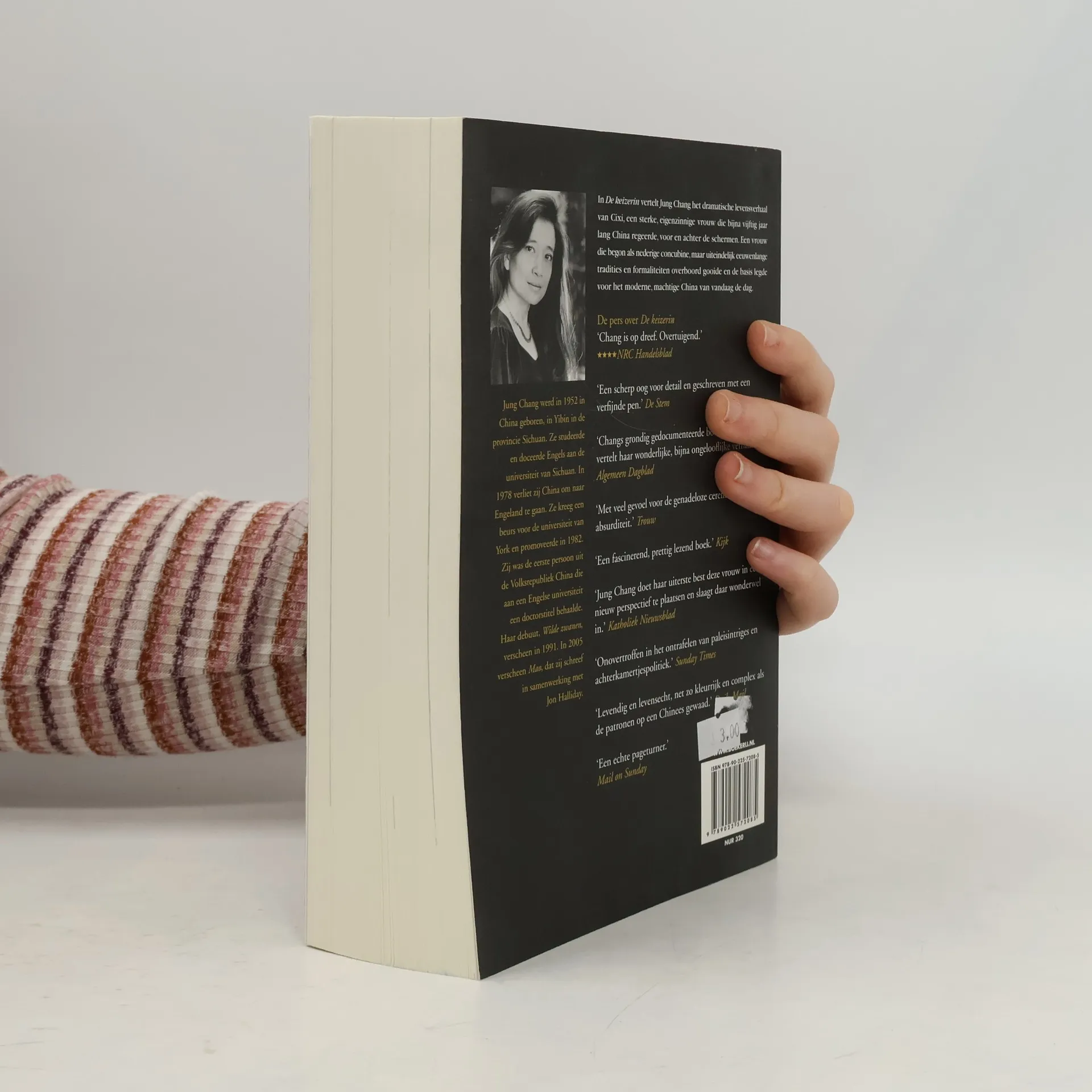
A woman, an Empress of immense wealth who was largely a prisoner within the compound walls of her palaces, a mother, a ruthless enemy, and a brilliant strategist: Chang makes a compelling case that Cixi was one of the most formidable and enlightened rulers of any nation. Cixi led an intense and singular life. Chosen at the age of 12 to be a concubine by the Emperor Xianfeng, she gave birth to his only male heir who at four was designated Emperor when his father died in 1861. In a brilliant move, the young woman enlisted the help of the Emperor's widow and the two women orchestrated a coup that ousted the regents and made Cixi sole Regent. Untrained and untaught, the two studied history and politics together, ruling the huge nation from behind a curtain. When her boy died, Cixi designated a young nephew as Emperor, continuing her reign till her death in 1908. Chang gives us a complex, riveting portrait of Cixi through a reign as long as that of her fellow Empress, Victoria, whom she longed to meet: her ruthlessness in fighting off rivals; her curiosity to learn; her reliance on Westerners who she placed in key positions; and her sensitivity and desire to preserve the distinctiveness of China's past while overturning traditions (she, as Chang reveals--not Mao, as he claimed--banned footbinding) and exposing its culture to western ideas and technology.




Zakup książki
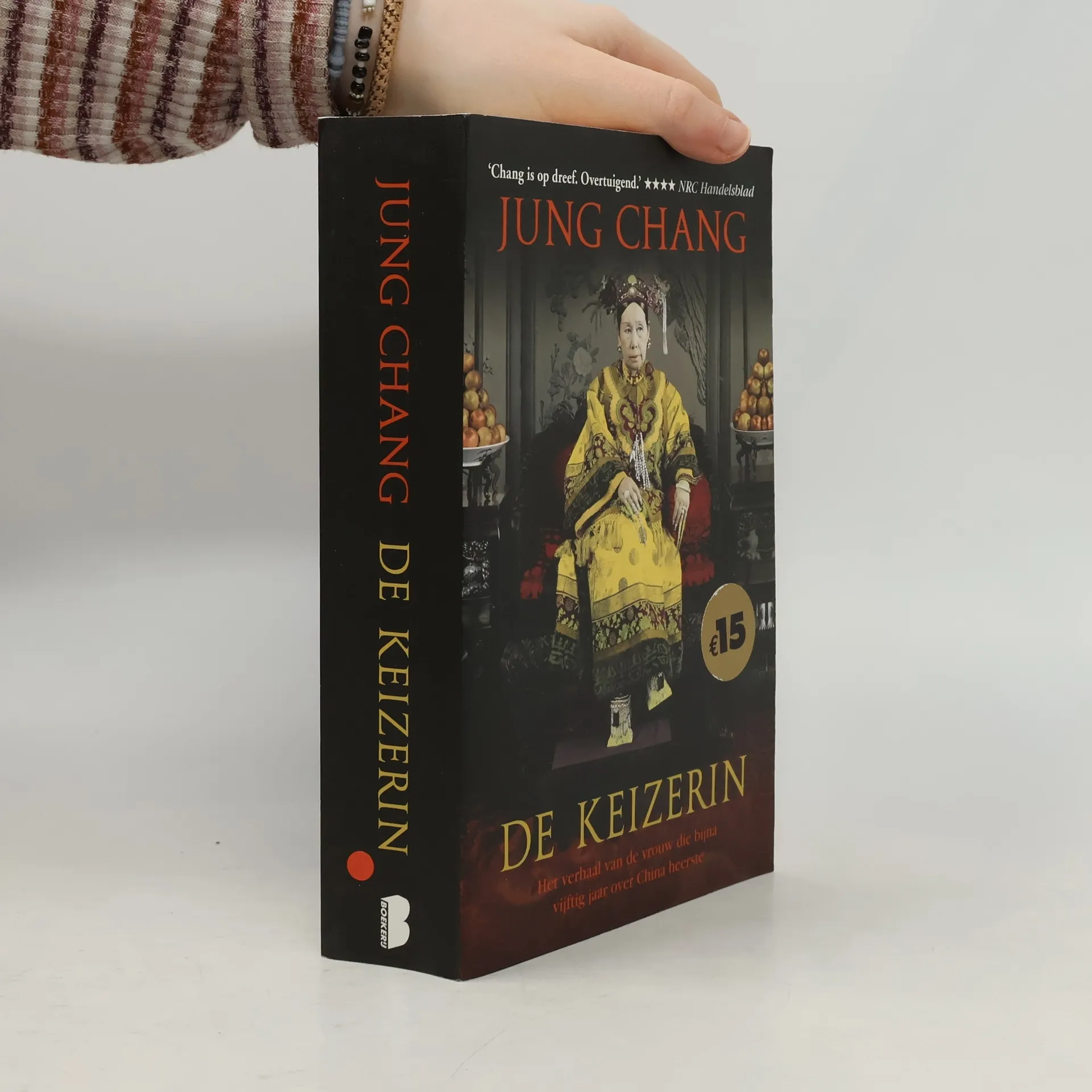
De keizerin, Yong Chang
- Język

- Rok wydania
- 2014
- Oprawa
- (miękka)
Metody płatności
Brakuje nam tutaj Twojej recenzji.
- Tytuł
- De keizerin
- Podtytuł
- Het verhaal van de vrouw die bijna vijftig jaar over China heerste
- Język
- holenderski
- Autorzy
- Yong Chang
- Wydawca
- Boekerij
- Rok wydania
- 2014
- Oprawa
- miękka
- Liczba stron
- 544
- ISBN10
- 9022572080
- ISBN13
- 9789022572085
- Seria
- Kategorie
- Tagi
- Tematy historyczne, Chiny
- Ocena
- 3,85 z 5
- Opis
- A woman, an Empress of immense wealth who was largely a prisoner within the compound walls of her palaces, a mother, a ruthless enemy, and a brilliant strategist: Chang makes a compelling case that Cixi was one of the most formidable and enlightened rulers of any nation. Cixi led an intense and singular life. Chosen at the age of 12 to be a concubine by the Emperor Xianfeng, she gave birth to his only male heir who at four was designated Emperor when his father died in 1861. In a brilliant move, the young woman enlisted the help of the Emperor's widow and the two women orchestrated a coup that ousted the regents and made Cixi sole Regent. Untrained and untaught, the two studied history and politics together, ruling the huge nation from behind a curtain. When her boy died, Cixi designated a young nephew as Emperor, continuing her reign till her death in 1908. Chang gives us a complex, riveting portrait of Cixi through a reign as long as that of her fellow Empress, Victoria, whom she longed to meet: her ruthlessness in fighting off rivals; her curiosity to learn; her reliance on Westerners who she placed in key positions; and her sensitivity and desire to preserve the distinctiveness of China's past while overturning traditions (she, as Chang reveals--not Mao, as he claimed--banned footbinding) and exposing its culture to western ideas and technology.