

Parametry
- 404 strony
- 15 godzin czytania
Więcej o książce
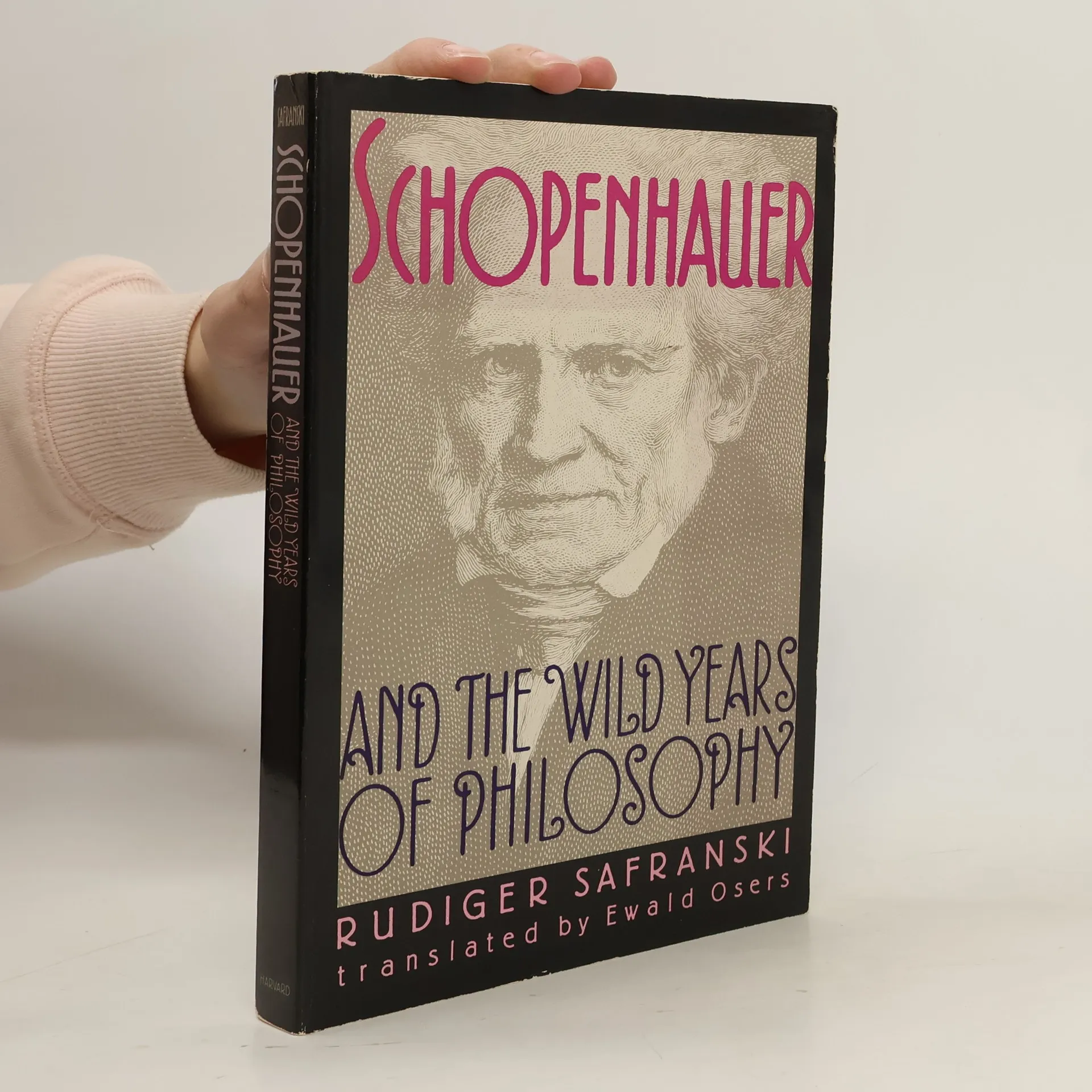
This detailed biography of a key figure in nineteenth-century philosophy examines both the life and work of Arthur Schopenhauer. Rudiger Safranski situates Schopenhauer within the context of his philosophical predecessors and contemporaries, such as Kant, Fichte, Schelling, and Hegel, while exploring the sources of his profound alienation from their "secularized religion of reason." The narrative delves into Schopenhauer's personal life, depicting struggles against a domineering father and the challenges of reconciling with his mother's literary success, as well as the loneliness he faced when his major work, The World as Will and Representation, was initially overlooked. Safranski also highlights the vibrant culture of Goethe's Weimar and Hegel's Berlin, enriching the portrayal of the era's intellectual landscape. Schopenhauer's philosophy, characterized by "weeping and gnashing of teeth," found few followers during the Romantic idealism of his time. However, after the disillusionments of 1848, his ideas gained traction among philosophers and writers, influencing figures from Nietzsche to Samuel Beckett. This biography, the first of Schopenhauer in English this century, vividly brings to life an intriguing philosopher and the intellectual battles of his time, whose impact continues to resonate today.



Zakup książki
Schopenhauer and the Wild Years of Philosophy, Rüdiger Safranski, Ewald Osers
- Język

- Rok wydania
- 1990
- Oprawa
- (miękka)
Metody płatności
Brakuje nam tutaj Twojej recenzji.
- Tytuł
- Schopenhauer and the Wild Years of Philosophy
- Język
- angielski
- Autorzy
- Rüdiger Safranski, Ewald Osers
- Wydawca
- Harvard University Press
- Rok wydania
- 1990
- Oprawa
- miękka
- Liczba stron
- 404
- ISBN10
- 0674792769
- ISBN13
- 9780674792760
- Seria
- Oryginalna nazwa
- Schopenhauer und die wilden Jahre der Philosophie
- Ocena
- 4,2 z 5
- Opis
- This detailed biography of a key figure in nineteenth-century philosophy examines both the life and work of Arthur Schopenhauer. Rudiger Safranski situates Schopenhauer within the context of his philosophical predecessors and contemporaries, such as Kant, Fichte, Schelling, and Hegel, while exploring the sources of his profound alienation from their "secularized religion of reason." The narrative delves into Schopenhauer's personal life, depicting struggles against a domineering father and the challenges of reconciling with his mother's literary success, as well as the loneliness he faced when his major work, The World as Will and Representation, was initially overlooked. Safranski also highlights the vibrant culture of Goethe's Weimar and Hegel's Berlin, enriching the portrayal of the era's intellectual landscape. Schopenhauer's philosophy, characterized by "weeping and gnashing of teeth," found few followers during the Romantic idealism of his time. However, after the disillusionments of 1848, his ideas gained traction among philosophers and writers, influencing figures from Nietzsche to Samuel Beckett. This biography, the first of Schopenhauer in English this century, vividly brings to life an intriguing philosopher and the intellectual battles of his time, whose impact continues to resonate today.