

Więcej o książce
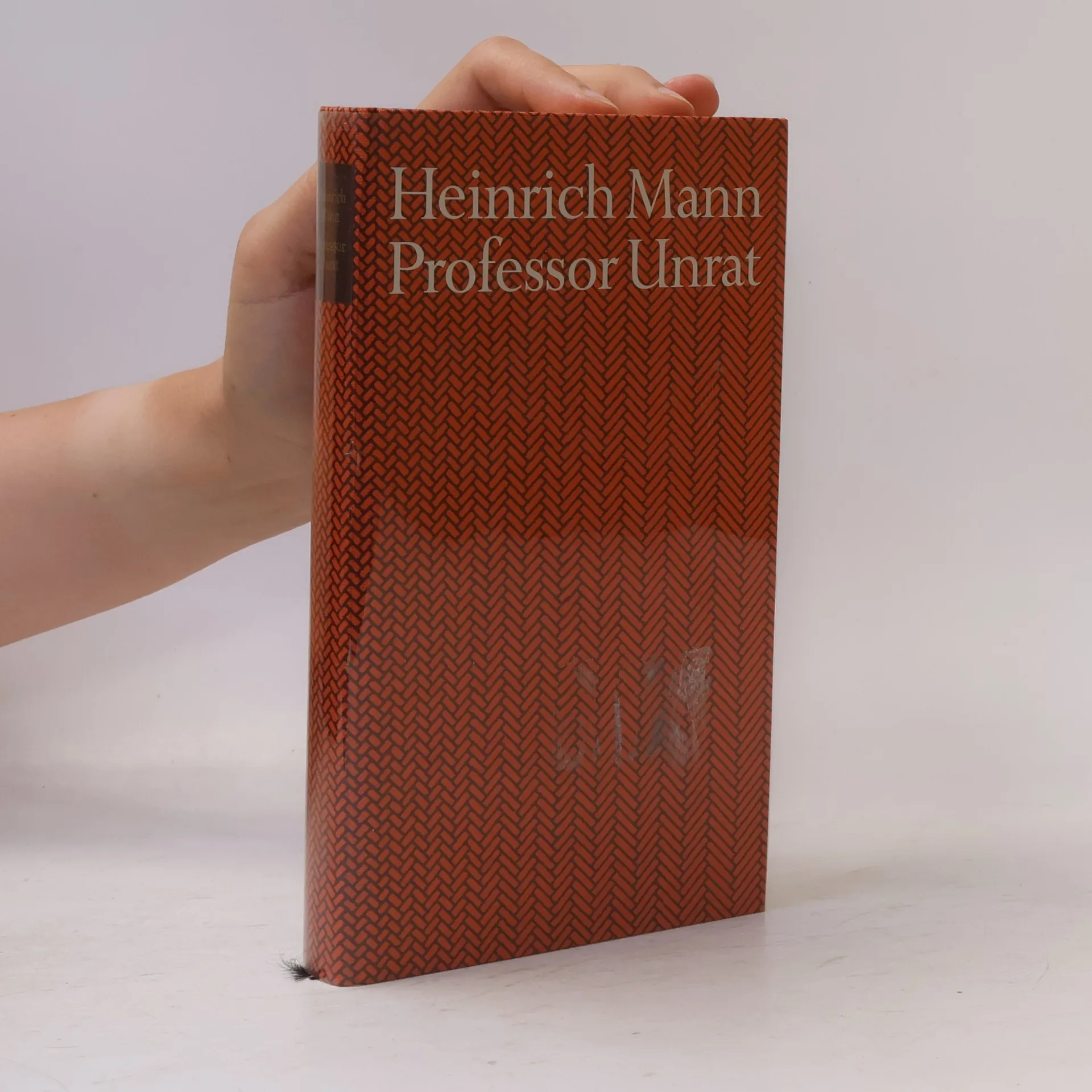
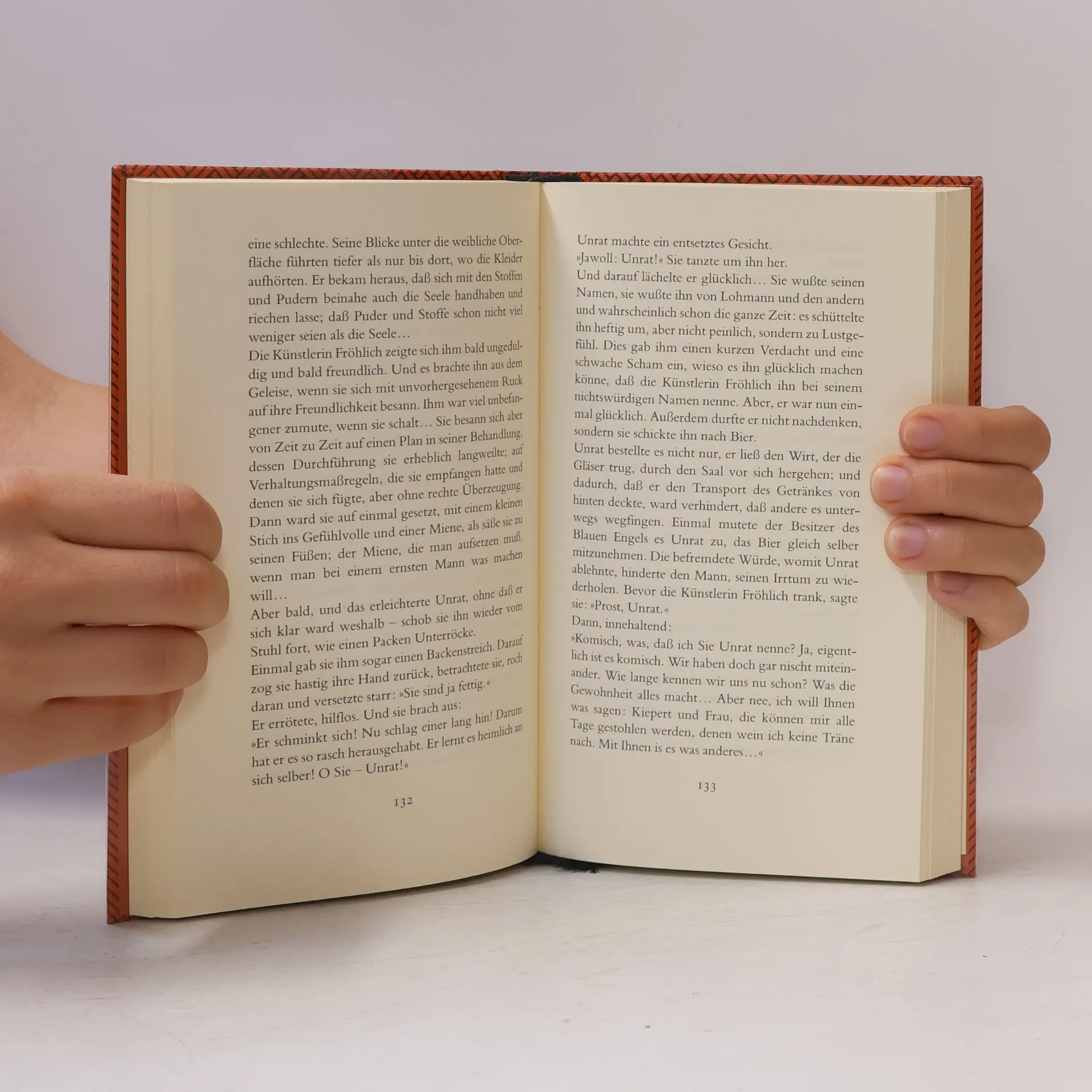
In his 1905 novel, Heinrich Mann introduces the strict high school professor Raat, known to all as "Unrat," who is consumed by an unrelenting hatred for everything around him. He tortures his students with nearly impossible exams and takes pleasure in their failures. His obsession drives him to pursue his students in their private lives, believing that only by "capturing" one can he deem a year successful. His primary targets are his three worst adversaries: Lohmann, Kieselack, and von Ertzum. He discovers they frequent a seedy bar called "The Blue Angel," where the seductive dancer Rosa Fröhlich performs. However, his plan for revenge backfires when he falls in love with Rosa, leading to his downfall. As he spirals deeper into chaos, he opens a gambling house and unleashes anarchy around him. The tyrant transforms into an anarchist, and his demise becomes inevitable. The novel faced criticism, particularly in Lübeck, where it was seen as a critique of the bourgeoisie.


Zakup książki
Professor Unrat, Heinrich Mann
- Język

- Rok wydania
- 1959
- Oprawa
- (twarda)
Metody płatności
Brakuje nam tutaj Twojej recenzji.
- Tytuł
- Professor Unrat
- Język
- angielski
- Autorzy
- Heinrich Mann
- Wydawca
- Classen Verlag
- Rok wydania
- 1959
- Oprawa
- twarda
- Seria
- Tagi
- Tematy historyczne, Literatura niemiecka, Niemcy, XX wiek, Szkoła, Prezenty dla młodszych uczniów, Zemsta, Szkoła średnia, Nauczyciele, Moralność, Uczniowie
- Ocena
- 3,7 z 5
- Opis
- In his 1905 novel, Heinrich Mann introduces the strict high school professor Raat, known to all as "Unrat," who is consumed by an unrelenting hatred for everything around him. He tortures his students with nearly impossible exams and takes pleasure in their failures. His obsession drives him to pursue his students in their private lives, believing that only by "capturing" one can he deem a year successful. His primary targets are his three worst adversaries: Lohmann, Kieselack, and von Ertzum. He discovers they frequent a seedy bar called "The Blue Angel," where the seductive dancer Rosa Fröhlich performs. However, his plan for revenge backfires when he falls in love with Rosa, leading to his downfall. As he spirals deeper into chaos, he opens a gambling house and unleashes anarchy around him. The tyrant transforms into an anarchist, and his demise becomes inevitable. The novel faced criticism, particularly in Lübeck, where it was seen as a critique of the bourgeoisie.