

Więcej o książce
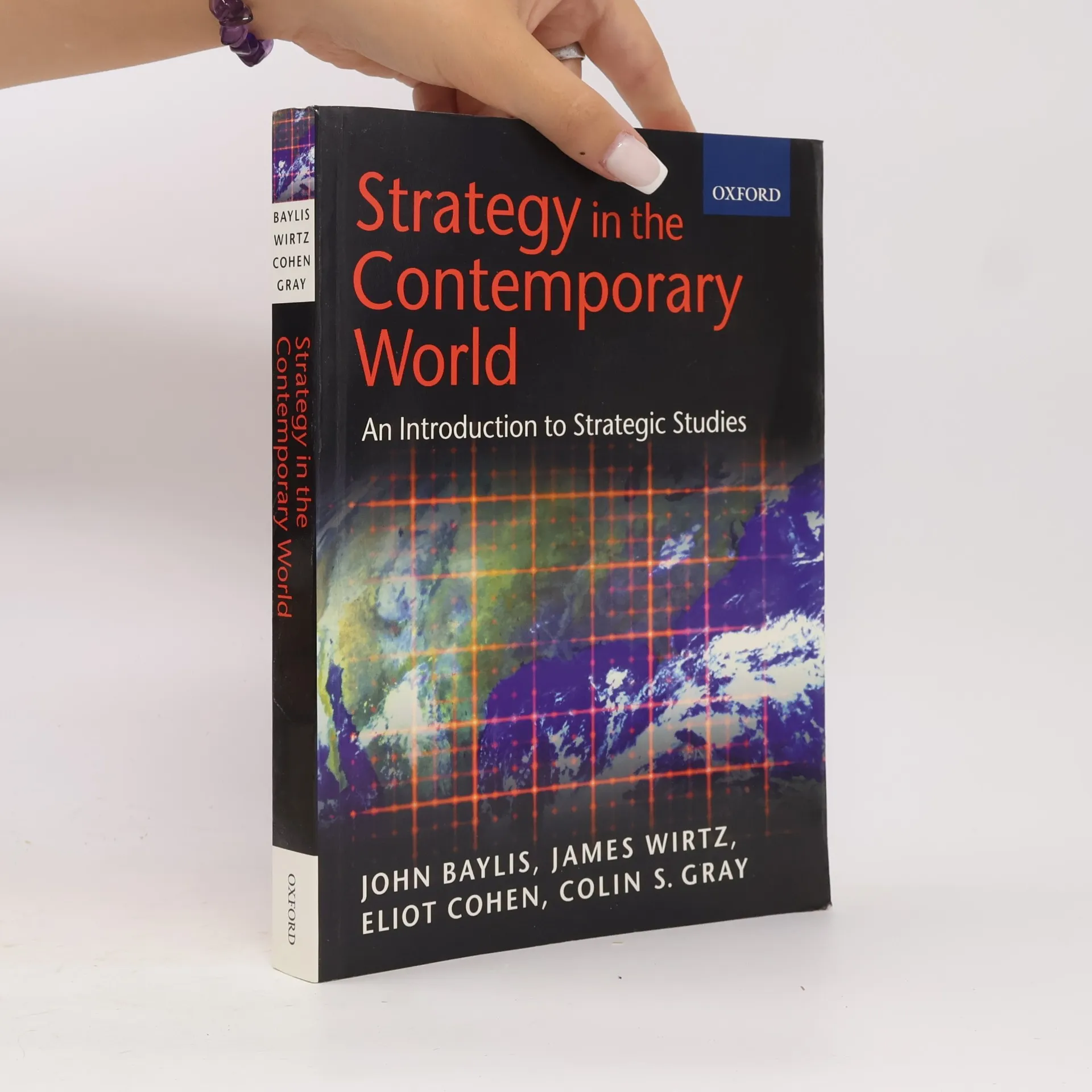
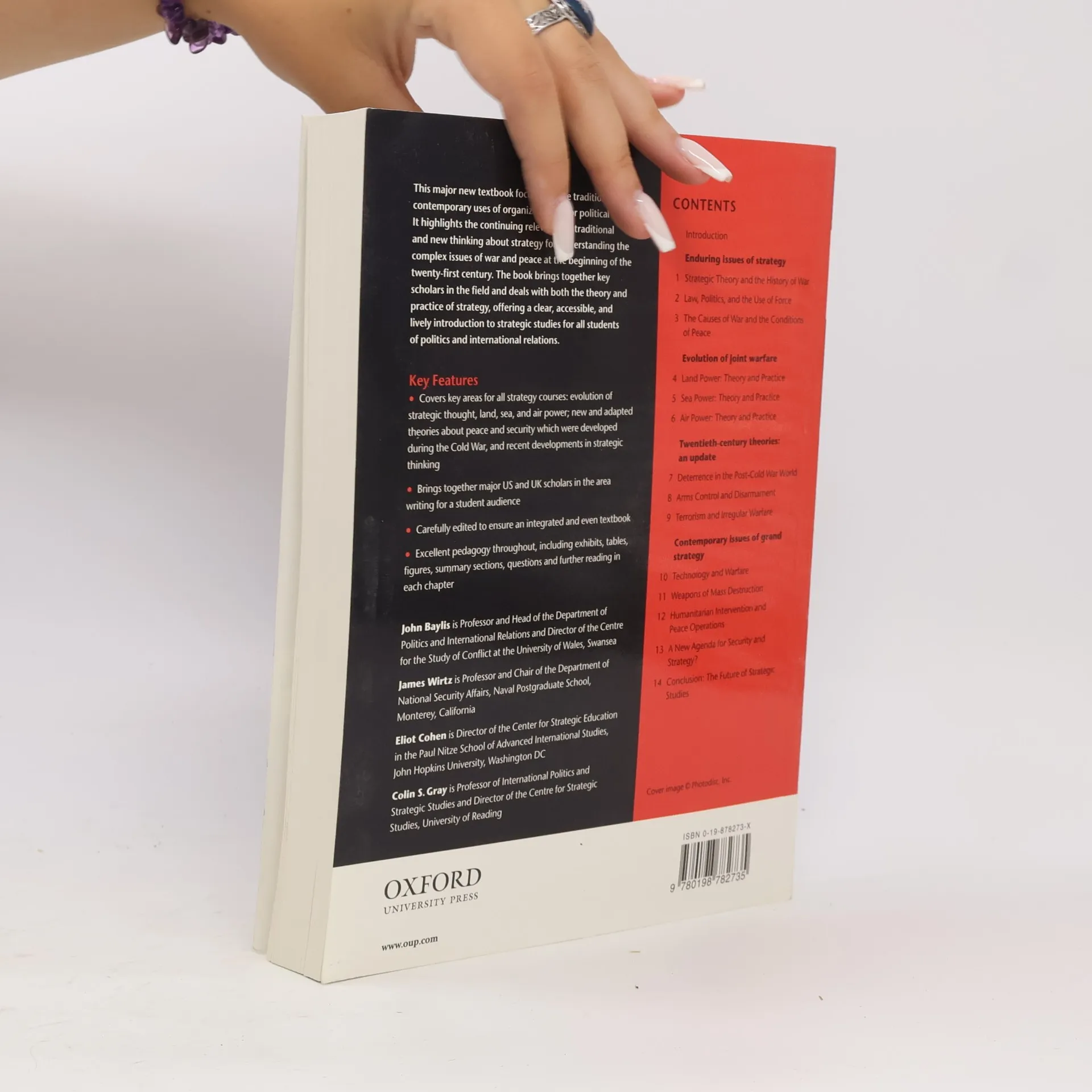
This major new textbook explores the traditional and contemporary uses of organized force for political purposes, bringing together leading scholars in the field to address both strategy theory and practice. It emphasizes the ongoing significance of various strategic approaches in understanding the complexities of war and peace in the early twenty-first century. The volume opens with an introduction from the editors that underscores the central theme: the historical and ongoing role of military power in achieving political objectives. The content is organized into four main sections: the evolution of strategic thought; the theory and practice of land, sea, and air power; new and adapted theories of peace and security that emerged during the Cold War; and developments in strategic thinking and practice since the Cold War, including concepts like Revolution in Military Affairs, Information (Cyber) Warfare, and Space Warfare. The book concludes by revisiting themes from the introduction and discussing future directions for strategic studies. With careful editing and strong pedagogical elements, this textbook serves as a clear, accessible, and engaging introduction to strategic studies for students of politics and international relations.


W magazynie mamy łącznie książkiStrategy in the Contemporary World(2002)
Zakup książki
Strategy in the Contemporary World, John Baylis
- Język

- Rok wydania
- 2002
- Oprawa
- (miękka),
- Stan książki
- Bardzo dobry
- Cena
- 30,07 zł
Metody płatności
Brakuje nam tutaj Twojej recenzji.
- Tytuł
- Strategy in the Contemporary World
- Język
- angielski
- Autorzy
- John Baylis
- Wydawca
- Oxford University Press, USA
- Rok wydania
- 2002
- Oprawa
- miękka
- Liczba stron
- 376
- ISBN10
- 019878273X
- ISBN13
- 9780198782735
- Seria
- Ocena
- 3,8 z 5
- Opis
- This major new textbook explores the traditional and contemporary uses of organized force for political purposes, bringing together leading scholars in the field to address both strategy theory and practice. It emphasizes the ongoing significance of various strategic approaches in understanding the complexities of war and peace in the early twenty-first century. The volume opens with an introduction from the editors that underscores the central theme: the historical and ongoing role of military power in achieving political objectives. The content is organized into four main sections: the evolution of strategic thought; the theory and practice of land, sea, and air power; new and adapted theories of peace and security that emerged during the Cold War; and developments in strategic thinking and practice since the Cold War, including concepts like Revolution in Military Affairs, Information (Cyber) Warfare, and Space Warfare. The book concludes by revisiting themes from the introduction and discussing future directions for strategic studies. With careful editing and strong pedagogical elements, this textbook serves as a clear, accessible, and engaging introduction to strategic studies for students of politics and international relations.