

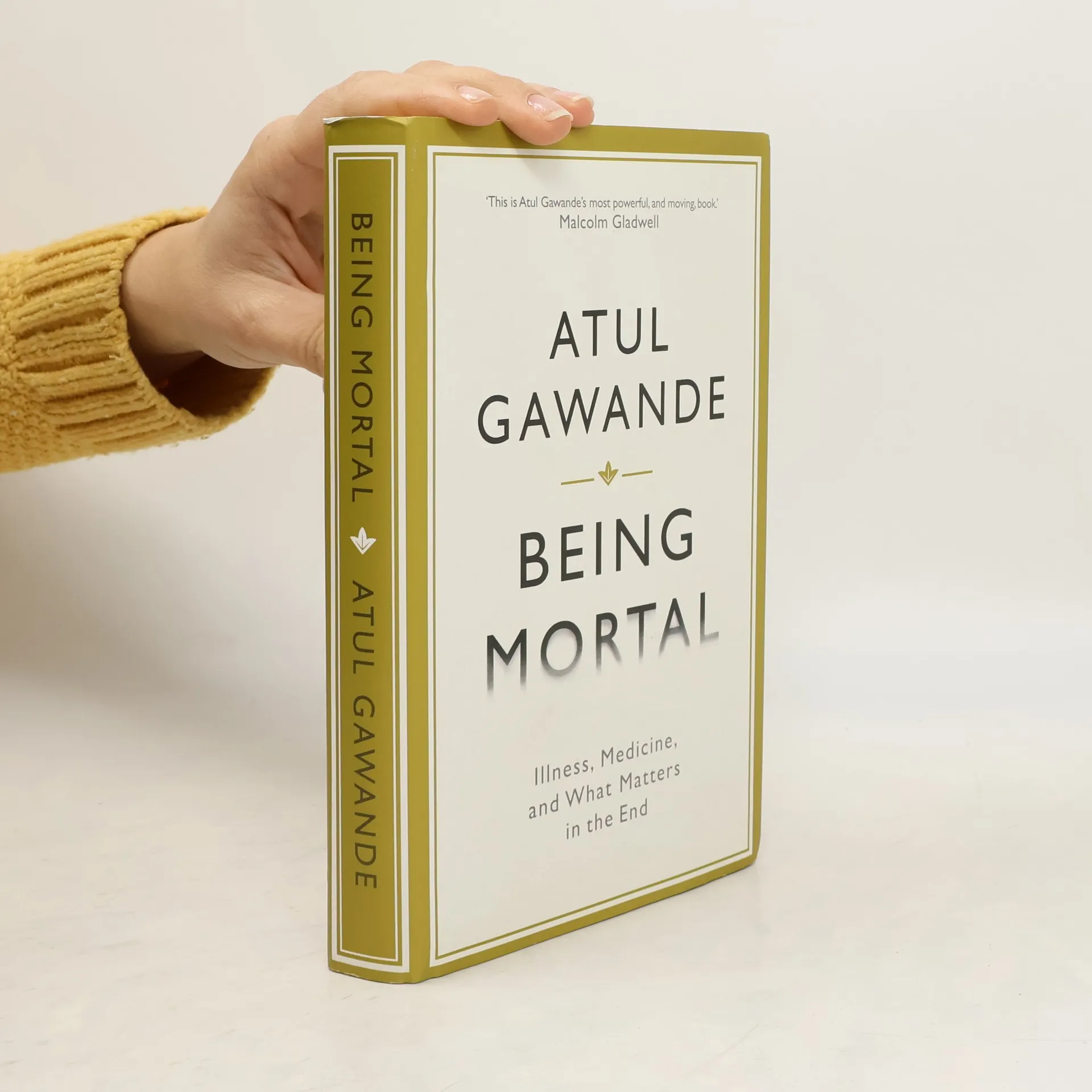


Więcej o książce
In Being Mortal , author Atul Gawande tackles the hardest challenge of his profession: how medicine can not only improve life but also the process of its ending Medicine has triumphed in modern times, transforming birth, injury, and infectious disease from harrowing to manageable. But in the inevitable condition of aging and death, the goals of medicine seem too frequently to run counter to the interest of the human spirit. Nursing homes, preoccupied with safety, pin patients into railed beds and wheelchairs. Hospitals isolate the dying, checking for vital signs long after the goals of cure have become moot. Doctors, committed to extending life, continue to carry out devastating procedures that in the end extend suffering. Gawande, a practicing surgeon, addresses his profession's ultimate limitation, arguing that quality of life is the desired goal for patients and families. Gawande offers examples of freer, more socially fulfilling models for assisting the infirm and dependent elderly, and he explores the varieties of hospice care to demonstrate that a person's last weeks or months may be rich and dignified.






Zakup książki
Being Mortal, Atul Gawande
- Język

- Rok wydania
- 2014
- Oprawa
- (twarda)
Metody płatności
Brakuje nam tutaj Twojej recenzji.
- Tytuł
- Being Mortal
- Podtytuł
- Medicine and What Matters in the End
- Język
- angielski
- Autorzy
- Atul Gawande
- Wydawca
- Profile Books
- Rok wydania
- 2014
- Oprawa
- twarda
- Liczba stron
- 282
- ISBN10
- 1846685818
- ISBN13
- 9781846685811
- Seria
- Tagi
- Zdrowie & Medycyna, Nauka, Zdrowie, Tematyka medyczna, Śmierć, Starość, Starzenie się, Hospic, Gerontologia, Śmiertelność, Opieka długoterminowa
- Pierwsze wydanie
- 2014
- Oryginalna nazwa
- Being Mortal: Medicine and What Matters in the End
- Ocena
- 4,45 z 5
- Opis
- In Being Mortal , author Atul Gawande tackles the hardest challenge of his profession: how medicine can not only improve life but also the process of its ending Medicine has triumphed in modern times, transforming birth, injury, and infectious disease from harrowing to manageable. But in the inevitable condition of aging and death, the goals of medicine seem too frequently to run counter to the interest of the human spirit. Nursing homes, preoccupied with safety, pin patients into railed beds and wheelchairs. Hospitals isolate the dying, checking for vital signs long after the goals of cure have become moot. Doctors, committed to extending life, continue to carry out devastating procedures that in the end extend suffering. Gawande, a practicing surgeon, addresses his profession's ultimate limitation, arguing that quality of life is the desired goal for patients and families. Gawande offers examples of freer, more socially fulfilling models for assisting the infirm and dependent elderly, and he explores the varieties of hospice care to demonstrate that a person's last weeks or months may be rich and dignified.