

Więcej o książce
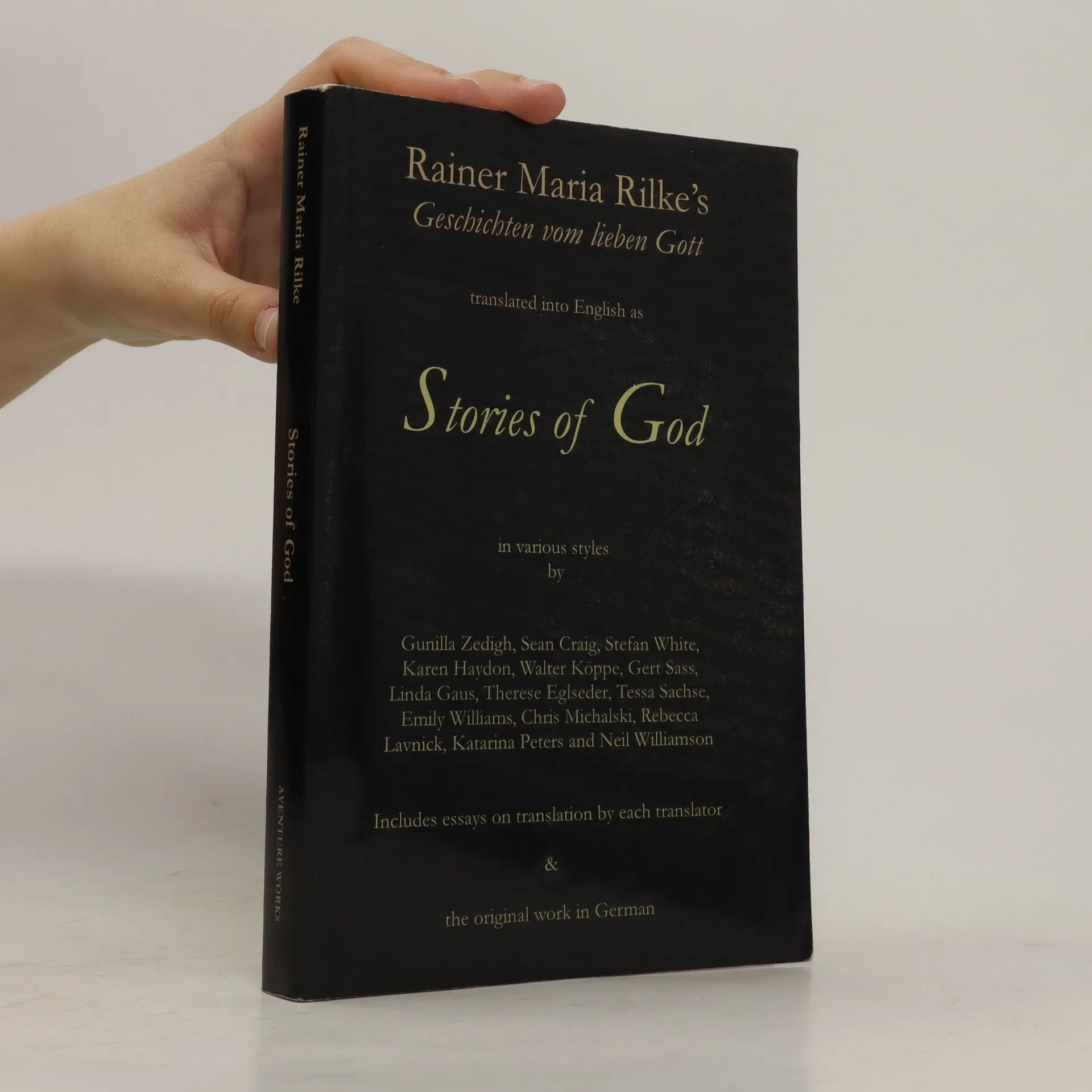
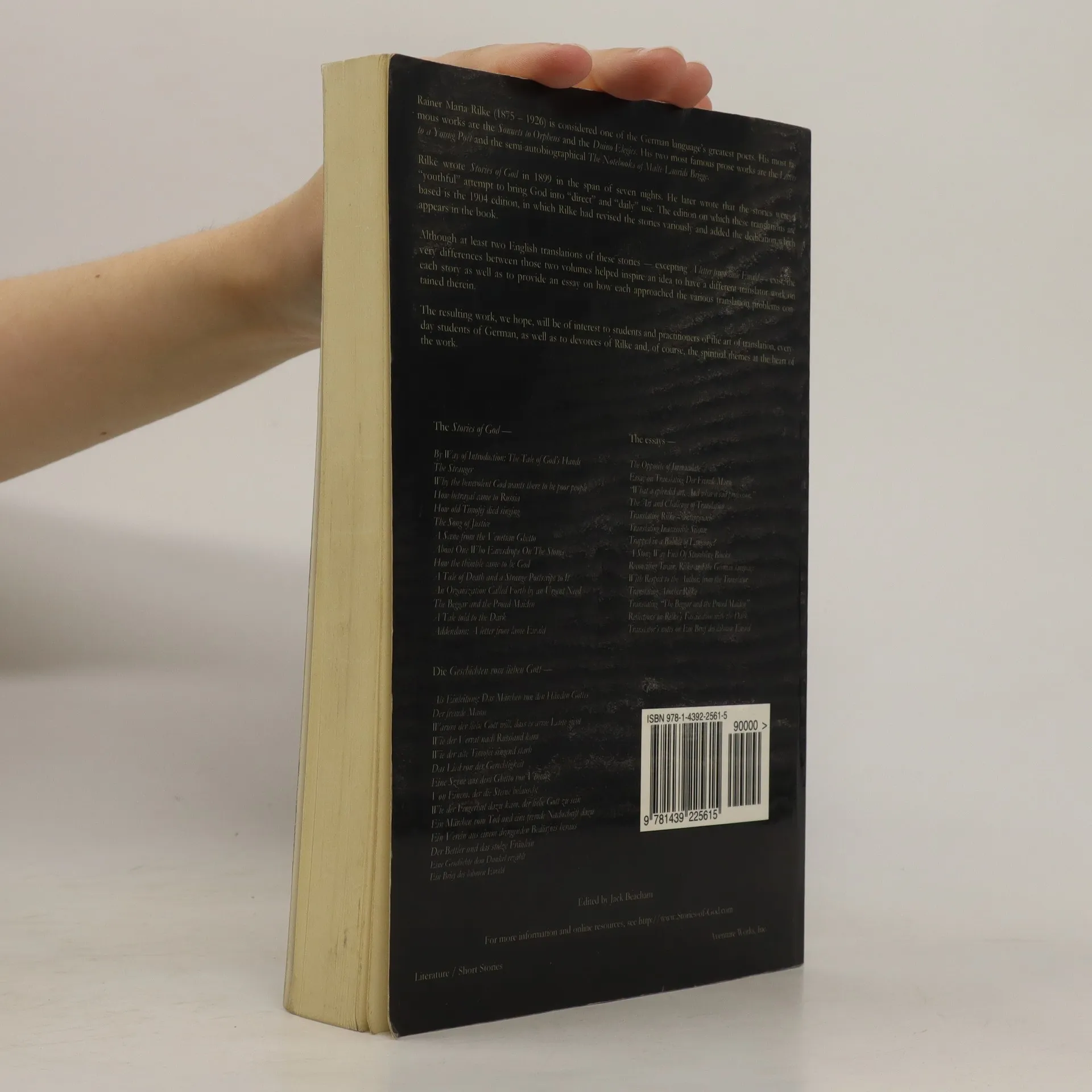
Rainer Maria Rilke (1875 - 1926) is considered one of the German language's greatest poets. His most famous works are the "Sonnets to Orpheus" and the "Duino Elegies." Rilke wrote Stories of God in 1899 at the age of 23 in seven nights. He later wrote that the stories were a "youthful" attempt bring God into "direct and daily experiencing." Although at least two English translations of these stories - excepting 'A letter from lame Ewald' - exist, the very differences between those two volumes helped inspire an idea to have a different translator work on each story as well as to provide an essay on how each approached the various translation problems contained therein. The resulting work we hope will be of interest to students and practitioners of the art of translation, everyday students of German, as well as to devotees of Rilke and, of course, the spiritual themes at the heart of the work.





Zakup książki
Stories of God, Rainer Maria Rilke
- Język

- Rok wydania
- 2009
- Oprawa
- (miękka)
Metody płatności
Brakuje nam tutaj Twojej recenzji.
- Tytuł
- Stories of God
- Język
- angielski
- Autorzy
- Rainer Maria Rilke
- Wydawca
- Booksurge Publishing
- Rok wydania
- 2009
- Oprawa
- miękka
- Liczba stron
- 284
- ISBN10
- 1439225613
- ISBN13
- 9781439225615
- Seria
- Pierwsze wydanie
- 1900
- Oryginalna nazwa
- Geschichten vom lieben Gott
- Ocena
- 3,85 z 5
- Opis
- Rainer Maria Rilke (1875 - 1926) is considered one of the German language's greatest poets. His most famous works are the "Sonnets to Orpheus" and the "Duino Elegies." Rilke wrote Stories of God in 1899 at the age of 23 in seven nights. He later wrote that the stories were a "youthful" attempt bring God into "direct and daily experiencing." Although at least two English translations of these stories - excepting 'A letter from lame Ewald' - exist, the very differences between those two volumes helped inspire an idea to have a different translator work on each story as well as to provide an essay on how each approached the various translation problems contained therein. The resulting work we hope will be of interest to students and practitioners of the art of translation, everyday students of German, as well as to devotees of Rilke and, of course, the spiritual themes at the heart of the work.