

Parametry
- 288 stron
- 11 godzin czytania
Więcej o książce
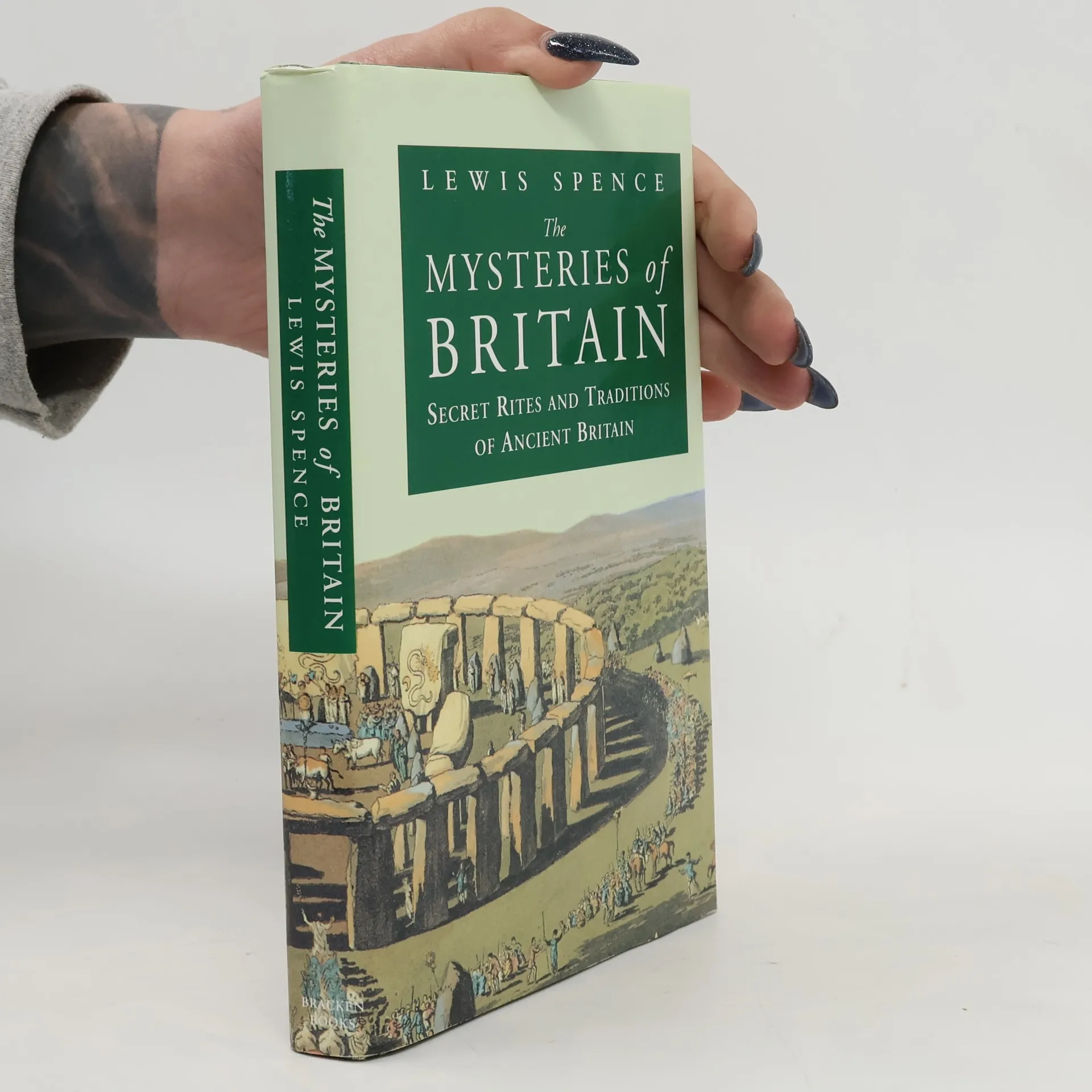
'In no individual born in these islands does there not flow the blood of the Druid priests and seers, and I confidently rely on British mystics, whatever their particular predilections, to unite in this greatest of all possible quests, the restoration of our native Secret Traditions.' Lewis Spence's rallying call to spiritual regeneration animates this classic work on the secret rites and traditions of ancient Britain. Drawing upon Bardic writings and archeological evidence such as stone circles, Spence argues that Druidism developed out of a cult of the Dead, which arose in North Africa, but was adopted and transformed by the British Celts. Spence describes the Druids as having both magical and administrative functions and that, under Roman persecution they only seemed to disappear. He provides good evidence that they survived in the Celtic areas of the British Isles. This stimulating book finds the author passionately arguing for a reassessment of this highly individual type of mysticism based on native spiritual traditions.


Zakup książki
The Mysteries of Britain, Lewis Spence
- Język

- Rok wydania
- 1993
- Oprawa
- (twarda)
Metody płatności
Brakuje nam tutaj Twojej recenzji.
- Tytuł
- The Mysteries of Britain
- Język
- angielski
- Autorzy
- Lewis Spence
- Wydawca
- Random House UK Ltd
- Rok wydania
- 1993
- Oprawa
- twarda
- Liczba stron
- 288
- ISBN10
- 1858910536
- ISBN13
- 9781858910536
- Seria
- Kategorie
- Ocena
- 3,4 z 5
- Opis
- 'In no individual born in these islands does there not flow the blood of the Druid priests and seers, and I confidently rely on British mystics, whatever their particular predilections, to unite in this greatest of all possible quests, the restoration of our native Secret Traditions.' Lewis Spence's rallying call to spiritual regeneration animates this classic work on the secret rites and traditions of ancient Britain. Drawing upon Bardic writings and archeological evidence such as stone circles, Spence argues that Druidism developed out of a cult of the Dead, which arose in North Africa, but was adopted and transformed by the British Celts. Spence describes the Druids as having both magical and administrative functions and that, under Roman persecution they only seemed to disappear. He provides good evidence that they survived in the Celtic areas of the British Isles. This stimulating book finds the author passionately arguing for a reassessment of this highly individual type of mysticism based on native spiritual traditions.